
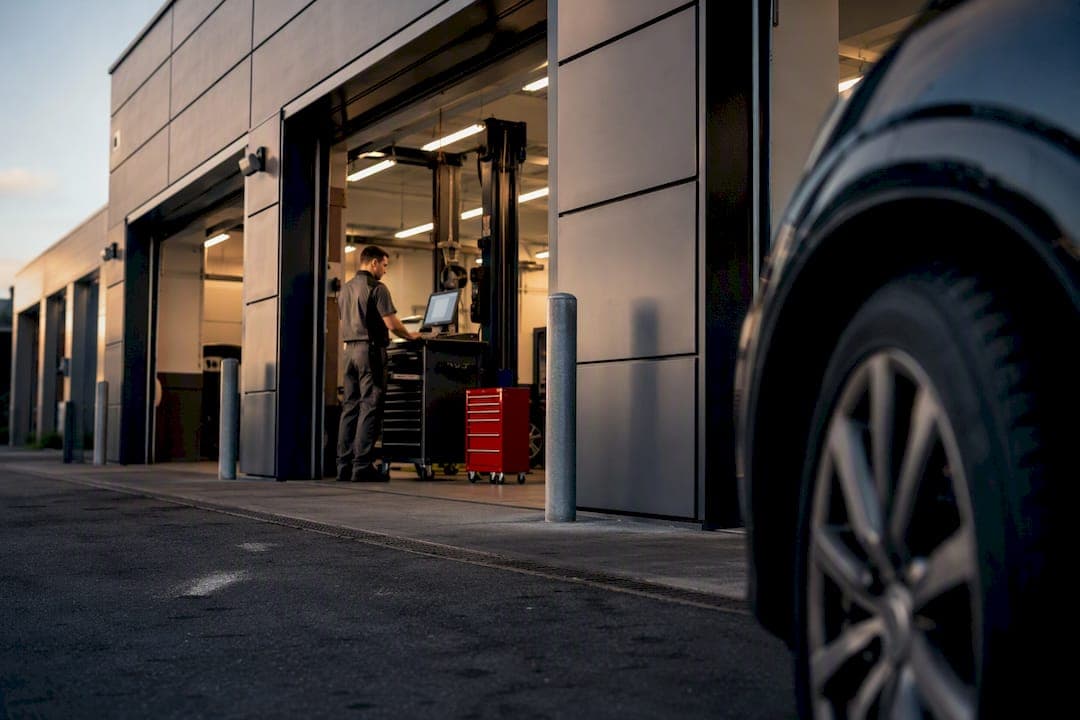
Use the ASE Blue Seal Business Locator first to find nearby ASE certified repair shops. It covers roughly 1,500 Blue Seal recognized repair centers nationwide. If nothing turns up close by, cross-check AAA's Approved Auto Repair Facility Locator or another trusted membership locator. The next section walks through exactly how to run that search and confirm what you find is legitimate.
TL;DR:
- Using the ASE Blue Seal locator helps ensure your repair shop employs at least 75% currently certified technicians covering all advertised services.
- Cross-check results with AAA's locator or verify ASE credentials directly to confirm a shop's certification status and avoid misleading signage.
- Verify technician certifications in person and check renewal dates to prevent working with outdated or uncertified staff, especially on high-tech or luxury vehicles.
- Focus on ASE certification for complex repairs like hybrid systems, electronics, and transmissions, as these areas significantly impact repair quality and cost.
- Consider extended vehicle protection plans from providers like RPM Warranty to offset high repair costs on luxury or hybrid vehicles, in addition to choosing a verified shop.
Table of Contents
- Using the Official ASE Blue Seal Locator
- Other Locators Worth Checking
- What ASE Certification and Blue Seal Actually Mean
- Verifying a Shop's Credentials Before You Book
- Questions to Ask Before You Book
- When ASE Certification Matters Most
- Why We Push Verification Every Time
- An Alternative Way to Cut Repair Costs: Extended Coverage
- Sources
Using the Official ASE Blue Seal Locator
The ASE Blue Seal Business Locator lives at ase.com/repair-centers, and it's the closest thing to a verified directory of shops with heavy ASE staffing. You type in your ZIP code or city, set a search radius, and the tool returns a list of Blue Seal recognized businesses in that range, sorted by distance.
Blue Seal isn't a participation badge. To earn it, a shop needs at least 75% of its diagnostic and repair technicians ASE certified, and every single service category the shop advertises has to be covered by at least one certified tech. A shop offering transmission work, brake service, and electrical diagnostics needs certified people covering all three, not just one specialty.
Fast fact: Nearly 1,500 repair centers nationwide currently carry Blue Seal recognition, out of the tens of thousands of general repair shops operating across the country.
When you're scanning results, don't just grab the closest pin on the map. A few things worth checking:
- Read the shop's full business profile, not just the name and address.
- Note which service areas are listed as covered. If you drive a hybrid, make sure hybrid systems show up.
- Filter by distance first, then narrow by the specialties you actually need.
- Save two or three candidates rather than committing to the first result.
Other Locators Worth Checking
The ASE locator is the authoritative source, but it's not the only useful tool. AAA runs its own Approved Auto Repair Facility Locator, which vets shops against AAA's own membership standards rather than ASE's certification percentages. It's a different vetting system entirely, built around customer service metrics and facility inspections rather than technician credentials specifically.
Third-party locators earn their place in two situations: when no Blue Seal shop shows up within a reasonable driving distance, or when you need a specialty repair, like advanced hybrid diagnostics, that a general locator search doesn't surface well.
The smartest approach combines both. Here's the sequence that actually works:
- Search the ASE Blue Seal locator first for your ZIP code.
- If results are thin, check AAA's facility locator for additional candidates.
- Build a short list of two or three shops from either source.
- Verify each one's ASE credentials directly, either through the ASE site or by asking the shop.
Never treat a membership locator listing as proof of ASE certification. AAA approval and Blue Seal recognition measure different things, and a shop can carry one without the other.
What ASE Certification and Blue Seal Actually Mean
ASE is an independent nonprofit founded in 1972 specifically to raise repair quality through testing. It's worth separating two things people tend to blur together: ASE certifies individual technicians, not businesses.
A tech earns certification by passing one or more of over 50 specialty exams covering areas like engine repair, brakes, electrical systems, and heating and air conditioning. Those certifications don't last forever. Technicians have to retest roughly every five years to stay current, which matters more than it sounds like it should, given how fast vehicle electronics and hybrid systems change.
Key threshold: A shop only earns Blue Seal status when at least 75% of its technicians doing diagnosis and repair work hold current ASE certification, with every advertised service area covered by a certified professional.
Here's the practical gap this creates:
- A shop can display ASE materials or mention "ASE technicians on staff" without ever qualifying for Blue Seal.
- Only Blue Seal listings meet that 75% staffing threshold, verified by ASE itself.
- General ASE mentions in advertising aren't independently checked the way Blue Seal status is.
That distinction is exactly why the locator search matters more than a sign in the window.
Verifying a Shop's Credentials Before You Book
A shop cannot technically be "ASE certified." People are certified; businesses earn Blue Seal recognition by employing enough certified staff. Confusing the two is easy, and plenty of signage encourages the mix-up.
Run through this before handing over your keys:
- Look up the shop on the ASE Blue Seal locator to confirm it's currently listed, not just formerly recognized.
- Ask the shop directly to show you the current ASE certificate for the technician who'll actually work on your vehicle.
- Request the certificate's specialty name and the date of last recertification. A tech certified in 2018 with no renewal since then may be working from outdated training.
- Cross-check the shop against Better Business Bureau records and recent customer reviews.
- Get a written estimate before authorizing any work, especially for diagnostic time.
Pro Tip: A framed certificate on the wall tells you nothing about whether it's current. Ask for the actual renewal date, and if the shop hesitates or can't produce one quickly, treat that as a red flag rather than an oversight.
Consumer Reports backs this same approach: verify certification directly, ask about model-specific experience, and check BBB history before committing to a shop.
Questions to Ask Before You Book
Keep this short list handy for a phone call or a counter conversation. It takes two minutes and tells you almost everything you need to know.
- Is the technician who'll work on my car ASE certified, and in which specialties?
- Have you worked on my specific make and model before? If you drive a Range Rover, BMW, Mercedes, Porsche, Ford, or Honda, ask for a recent example.
- What's your turnaround time for this repair, and can I get a written estimate first?
- What warranty do you offer on parts and labor?
- How do you handle a repair that turns out to be more involved than the original diagnosis?
Shops that answer these without hesitation tend to be the ones worth trusting. Shops that get vague about certification specifics or dodge the warranty question are telling you something too.
When ASE Certification Matters Most
Not every repair carries the same stakes. Oil changes and tire rotations don't require deep specialization, though a verified shop is still the safer bet for consistency.
Where ASE credentials genuinely change outcomes:
- Advanced diagnostics on modern electronic control systems
- Hybrid and electric drivetrain work
- Transmission and drivetrain fault diagnosis
- High-tech electronics, sensor arrays, and driver-assist systems
Pro Tip: If you drive a Range Rover, BMW, Mercedes, or Porsche, ask specifically how recently the technician trained on your model's platform. These vehicles change their electronics architecture often enough that certification from several years ago may not cover your car's current systems.
Complex and high-end vehicles simply have less room for guesswork. A misdiagnosed transmission issue on a Range Rover costs a lot more to fix twice than to fix once.
Why We Push Verification Every Time
Signage and advertising claims are easy to make and hard to check from a customer's seat. That gap is exactly why we point readers toward the official locator and direct verification instead of trusting a window decal.
Verified technicians reduce the odds of a comeback repair, a misdiagnosis, or a part replaced that didn't need replacing. That matters on its own. It matters more if you're carrying an extended vehicle protection plan, since claims move faster and cleaner when the shop's credentials and documentation are already solid going in. Fewer disputes, fewer surprises, less back and forth over what actually needed fixing.
Verification takes five minutes. Skipping it can cost a lot more than five minutes down the line.
— Kenneth
An Alternative Way to Cut Repair Costs: Extended Coverage
Finding a verified ASE certified shop solves half the problem. The other half is what happens when the repair bill lands, especially on vehicles like a BMW, Mercedes, or Porsche where parts and diagnostic labor run high. Rpmwarranty offers extended vehicle protection plans available in tiered coverage options that work alongside a nationwide network of ASE-certified mechanics rather than locking you into one shop.
Coverage extends to major components such as engines, transmissions, cooling systems, electrical systems, and high-tech electronics found in newer vehicles including luxury and hybrid models. Some plans include benefits like roadside assistance and rental reimbursement to help reduce inconvenience during a breakdown. Pricing and coverage details vary by vehicle year, make, and model, and the quote process helps determine the best options for each situation.
If you want to see what a plan would cost for your specific vehicle, you can get a free quote and compare coverage tiers before your next repair bill shows up.