
TL;DR:
- Car protection combines physical barriers, safety technology, and maintenance to reduce vehicle damage and repair costs.
- Layered systems like paint protection film and ceramic coatings prevent impact damage and improve appearance, especially on luxury vehicles.
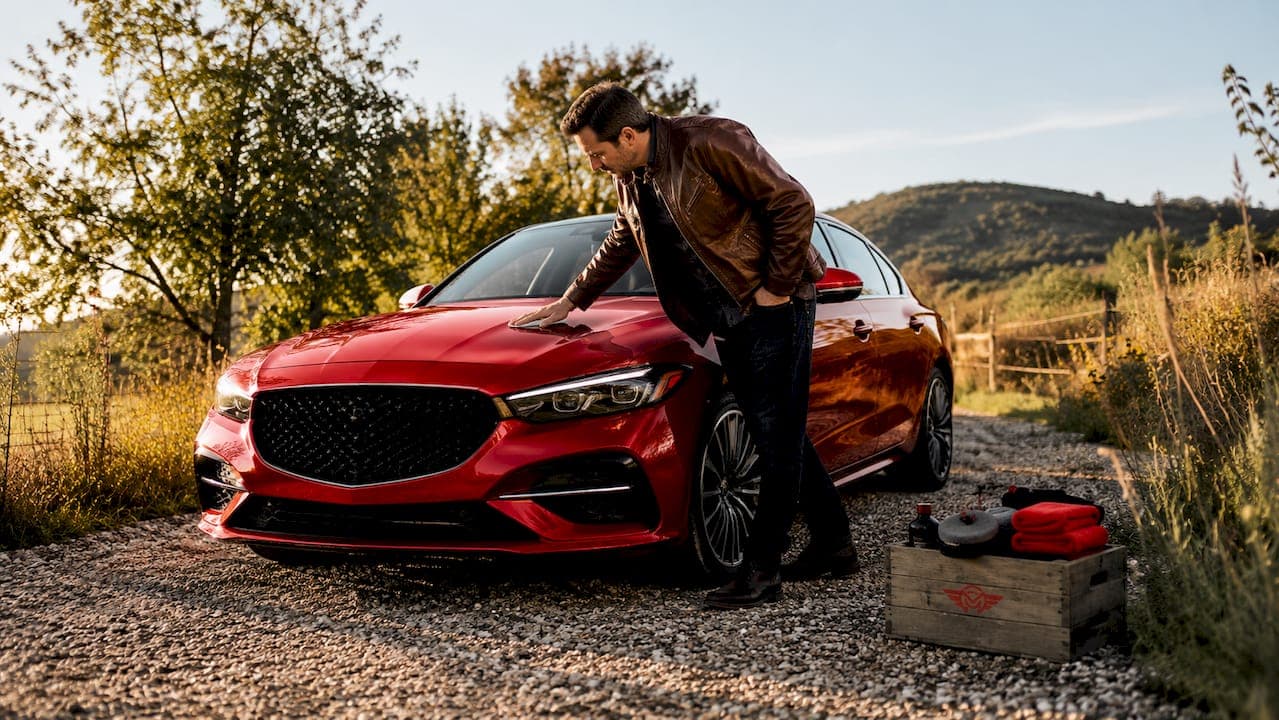
Car protection is the layered use of physical barriers, safety technology, and proactive maintenance to shield your vehicle from damage and reduce repair costs. Vehicle repair costs have risen 33% since 2021, with the average repair bill now sitting at $838 per visit. That number makes a strong case for prevention over reaction. Whether you drive a BMW 5 Series, a Range Rover Sport, or a Honda Accord, the principles are the same: protect the paint, activate the safety systems, maintain the mechanical health, and back it all up with the right financial coverage.
What are the most effective physical car protection methods?
Physical protection is the first line of defense against scratches, rock chips, UV fading, and interior wear. The two most widely used products are paint protection film (PPF) and ceramic coatings. They are often confused, but they do very different jobs.
Paint protection film: the real impact barrier
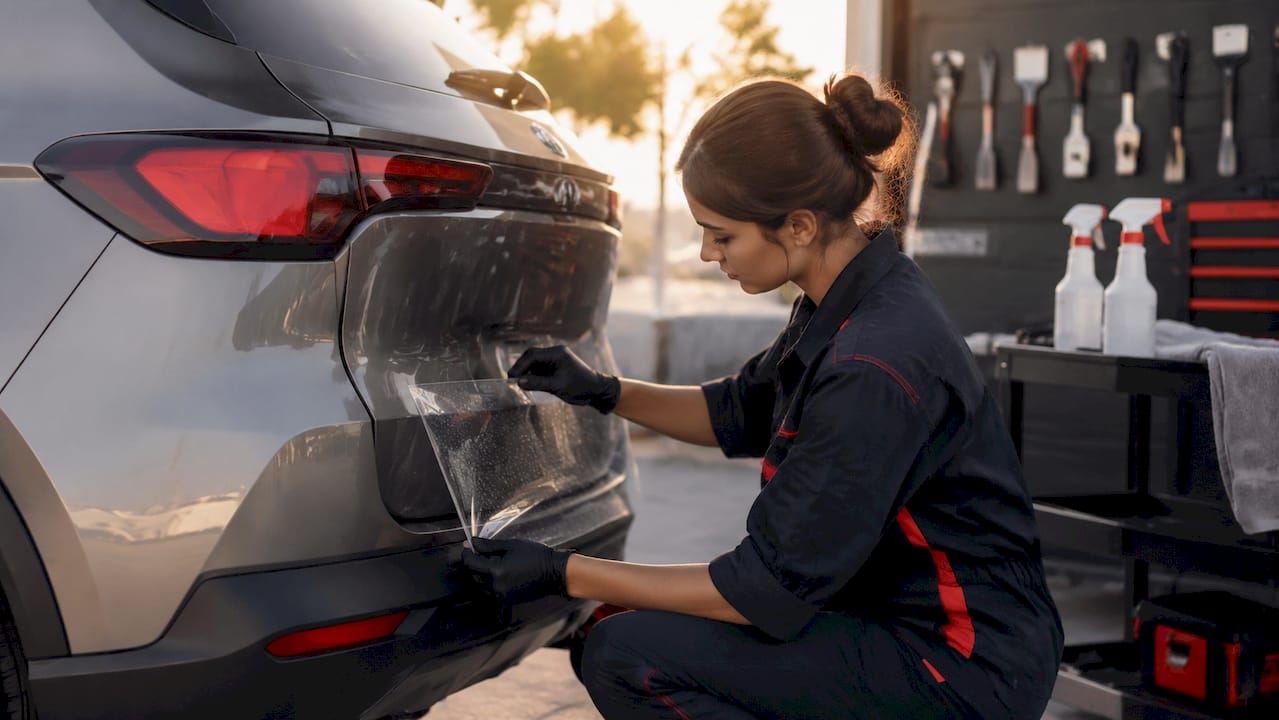
PPF eliminates rock chips for 5–10 years when properly installed. It is a thick, self-healing thermoplastic urethane film applied directly to painted surfaces. On a Porsche 911 or a Mercedes GLE, where a single panel respray can cost thousands, PPF pays for itself quickly. The film absorbs the physical impact that would otherwise chip or scratch the clear coat.
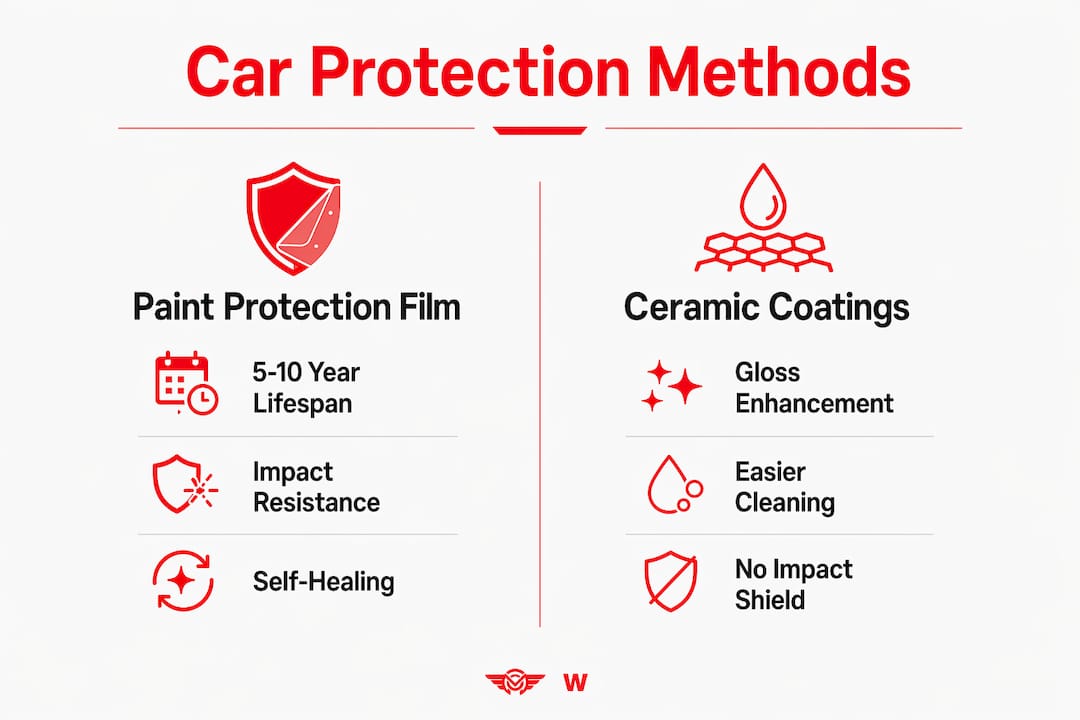
Ceramic coatings, by contrast, provide gloss and easier cleaning but offer no physical impact protection against chips or dents, despite marketing claims about "9H hardness." That hardness rating refers to pencil hardness, not resistance to road debris. Many owners spend heavily on ceramic coatings expecting chip protection and are disappointed when the first gravel strike leaves a mark.
How PPF and ceramic coatings work together
PPF and ceramic coatings work best as a layered system. PPF handles the impact resistance, and the ceramic coating applied on top adds gloss and makes the surface easier to clean. This combination is the gold standard for luxury vehicles like the Range Rover Autobiography or the BMW M3.
Pro Tip: Apply PPF to high-impact zones first: the hood, front bumper, side mirrors, and door edges. Then coat the entire vehicle with ceramic for uniform protection and appearance.
| Protection product | Lifespan | Impact protection | Gloss benefit | Best for |
|---|---|---|---|---|
| Paint protection film | 5–10 years | High | Moderate | High-impact zones |
| Ceramic coating | 2–5 years | None | High | Full body finish |
| Traditional wax | 4–6 weeks | None | Moderate | Budget maintenance |
| Paint sealant | 4–6 months | None | Moderate | Seasonal protection |
| All-weather floor mats | 3–7 years | N/A | N/A | Interior wear |
Interior protection matters just as much as exterior care. All-weather floor mats, seat covers, and UV-blocking window tints preserve resale value and prevent costly interior repairs. Ford F-150 owners in snowy climates, for example, see significant mud and salt damage to carpets without proper mat protection.
How does vehicle safety technology contribute to car protection?
Active safety technology reduces the chance of a collision, which is the most expensive form of vehicle damage. Automatic emergency braking (AEB) reduces rear-end collisions by 50%, making it the single most effective safety feature for protecting your vehicle from accident damage. That is not a minor improvement. Cutting collision frequency in half directly cuts your exposure to repair bills, insurance claims, and depreciation from accident history.
What ADAS features actually protect your car?
Advanced driver assistance systems (ADAS) vary widely in their real-world protective value. Here is how the most common features break down:
- Automatic emergency braking (AEB): Detects imminent collisions and applies brakes automatically. This is the highest-value safety feature for accident prevention.
- Blind spot monitoring: Alerts you to vehicles in adjacent lanes, reducing side-swipe risk on highways.
- Rear cross-traffic alert: Warns you of approaching vehicles when reversing, common in tight parking lots.
- Forward collision warning: Alerts the driver before AEB activates, giving an extra reaction window.
- Lane departure warning: Signals when the vehicle drifts without a turn signal, reducing run-off-road incidents.
Lane centering and full automation add convenience but provide no measurable safety benefit beyond what AEB already delivers. Spending money on higher trim levels purely for lane centering does not improve your vehicle's protection profile. Spending it on AEB does.
Mercedes-Benz, BMW, and Porsche all include AEB as standard equipment across most current model lines. Honda's Honda Sensing suite brings AEB, lane keeping assist, and adaptive cruise control to mainstream buyers at an accessible price point. The key is not just having these systems but keeping them activated. Many owners disable lane departure warnings because they find them annoying, which removes a layer of protection entirely.
What maintenance practices protect your car's exterior and mechanical health?
Consistent maintenance prevents the slow, invisible damage that compounds into expensive repairs. The most overlooked area is winter care, particularly for owners in northern states where road salt is applied heavily from november through march.
Winter washing: the schedule that prevents corrosion
Road salt is corrosive, and frequent undercarriage washing combined with waxing slows the damage significantly. The recommended schedule is washing the undercarriage every 10–14 days during winter months. Salt left on metal surfaces accelerates rust, which can compromise structural components on any vehicle, from a Honda CR-V to a Range Rover Defender.
Never wash your car below freezing temperatures. Water trapped in door locks, brake calipers, or rubber seals can freeze and cause mechanical damage. Wait until temperatures are above 32°F and the forecast shows no immediate drop.
A practical maintenance schedule for year-round protection
- Wash the exterior weekly during heavy pollen, bird dropping, or bug splatter seasons. These substances are acidic and etch clear coat within days.
- Wash the undercarriage every 10–14 days from november through march if you drive in salted road conditions.
- Re-wax every 4–6 weeks if you use traditional carnauba wax. Switch to a paint sealant for a 4–6 month interval between applications.
- Inspect door seals and weather stripping each fall before winter arrives. Cracked seals allow water intrusion that damages electronics and interior panels.
- Visit an independent mechanic for routine maintenance after your factory warranty expires. Independent shops offer lower labor costs for identical service compared to dealerships, which matters when you are paying out of pocket.
Pro Tip: For BMW, Mercedes, and Range Rover owners, invest in all-weather floor mats and rubber cargo liners before winter. These vehicles have premium interior materials that are expensive to replace and highly susceptible to salt and moisture damage.
How do car warranties and vehicle service contracts support car protection financially?
Financial protection is the layer most owners underestimate until they face a $3,000 transmission repair or a $2,500 electronics failure. Car warranties cover manufacturer defects during a set period, while extended warranties, technically called vehicle service contracts, cover repairs after the factory warranty expires at an additional cost.
Understanding the difference between warranty types
Extended warranties are vehicle service contracts regulated differently from manufacturer warranties. A manufacturer warranty is a legal promise from the automaker. A vehicle service contract is a separate agreement, often sold by a third party, that reimburses repair costs under defined terms. Knowing this distinction helps you read the fine print and understand exactly what is covered.
Mechanical breakdown insurance (MBI) and vehicle service contracts are two distinct post-factory coverage types. MBI is sold by insurance companies and regulated as insurance. Vehicle service contracts are sold by dealers or third-party providers and regulated under consumer protection laws. Both extend your financial protection, but their claims processes and coverage terms differ.
| Warranty type | Coverage scope | Who provides it | Typical cost consideration |
|---|---|---|---|
| Manufacturer warranty | Defects in materials and workmanship | Automaker | Included in vehicle price |
| Powertrain warranty | Engine, transmission, drivetrain | Automaker | Included, longer duration |
| Extended warranty (VSC) | Mechanical repairs post-factory | Third-party or dealer | Monthly or lump-sum premium |
| Mechanical breakdown insurance | Mechanical failures | Insurance company | Added to auto policy |
For owners of high-end vehicles like the Porsche Cayenne or BMW X5, extended coverage makes a strong financial case. These vehicles carry sophisticated electronics, air suspension systems, and turbocharged engines that cost far more to repair than components on mainstream models. A single air suspension failure on a Range Rover can exceed $2,000. An extended plan covering that repair pays for itself in one claim.
How to create a layered car protection strategy
A layered strategy combines physical protection, active safety, maintenance, and financial coverage into one coordinated plan. The right combination depends on where you live, how you drive, and what you drive.
Matching your protection plan to your environment
- Urban drivers face the highest risk of parking lot scratches, door dings, and catalytic converter theft. Priorities: PPF on lower panels, a car security system with GPS tracking, and a vehicle service contract covering electrical components.
- Suburban and highway drivers face rock chips and UV exposure as primary threats. Priorities: full-front PPF, ceramic coating, and regular waxing on a 4–6 week cycle.
- Rural drivers deal with gravel roads, mud, and animal strike risk. Priorities: full-body PPF, undercarriage protection, and a service contract covering suspension and drivetrain components.
- Hail-prone regions (Texas, Colorado, Kansas) require a different approach entirely. A quality protective car cover rated for hail impact is the most practical passive defense when a vehicle is parked outdoors. Combine this with comprehensive automobile insurance coverage that includes hail damage.
Budget allocation by vehicle type
Porsche and Range Rover owners should allocate the largest share of their protection budget to PPF and extended mechanical coverage. These vehicles depreciate sharply when accident or mechanical history appears on a vehicle report. Protecting the paint and the powertrain protects the resale value directly.
Ford and Honda owners get strong value from ceramic coatings and vehicle service contracts. These vehicles are reliable, but high-mileage repairs on transmissions and cooling systems still carry significant costs. A service contract covering those components gives predictable monthly costs instead of surprise bills.
Pro Tip: Keep all factory ADAS features activated and check your vehicle settings after every software update. Some updates reset driver assistance preferences to off by default, silently removing your active safety layer.
Key Takeaways
Effective vehicle protection requires combining physical barriers, active safety technology, consistent maintenance, and financial coverage into one coordinated strategy tailored to your vehicle and driving environment.
| Point | Details |
|---|---|
| PPF beats ceramic for impact | Paint protection film prevents rock chips for 5–10 years; ceramic coatings do not stop physical damage. |
| AEB is the top safety feature | Automatic emergency braking cuts rear-end collisions by 50%, making it the highest-value ADAS investment. |
| Winter washing prevents corrosion | Wash the undercarriage every 10–14 days in winter and never below freezing to prevent salt damage. |
| Extended warranties fill the gap | Vehicle service contracts cover mechanical repairs after factory warranty expires, critical for luxury vehicles with costly components. |
| Layer your protection | Combining PPF, ceramic coating, active safety, and a service contract delivers the strongest overall protection at the lowest long-term cost. |
Why most car owners get their protection priorities backwards
Most owners I talk to spend their first $1,000 on a ceramic coating and nothing on activating or maintaining their ADAS systems. That is the wrong order. A ceramic coating makes your car look great. Automatic emergency braking keeps it from getting hit in the first place.
The ceramic coating misconception is the most expensive mistake in this space. Marketing language around "9H hardness" sounds like armor. It is not. I have seen BMW 3 Series owners spend $1,500 on a ceramic coating and then pick up a rock chip on the first highway drive. The coating did nothing to stop it, because it was never designed to. PPF stops chips. Ceramic coatings make the surface easier to clean. Both have value, but only when you understand what each one actually does.
The second mistake is treating a factory warranty as permanent protection. Every manufacturer warranty expires. For a Porsche or a Range Rover, what comes after that expiration is a direct financial risk. These vehicles have repair costs that can reach five figures for a single system failure. Budgeting for that reality before it arrives, whether through a vehicle service contract or a dedicated savings fund, is the difference between a manageable repair and a financial shock.
The third mistake is ignoring winter maintenance until damage appears. Road salt does not announce itself. It works quietly on undercarriage metal for months before rust becomes visible. By the time you see it, the structural damage is already done. A consistent 10–14 day undercarriage wash schedule during winter costs almost nothing and prevents repairs that can run into thousands.
Protection is not one product. It is a system. The owners who spend the least on repairs over a vehicle's lifetime are the ones who treat protection as a year-round discipline, not a one-time purchase.
— Kenneth
Rpmwarranty has a protection plan built for your vehicle
Physical protection and safe driving habits reduce risk, but they cannot eliminate repair costs entirely. That is where financial coverage closes the gap.
Rpmwarranty offers extended vehicle protection plans trusted by dealers nationwide, with coverage options for engines, transmissions, cooling systems, electrical systems, and high-tech components. Whether you drive a Tesla, a Volkswagen, or a luxury SUV, Rpmwarranty has a plan matched to your vehicle's year, make, and model. The process is straightforward: get a free quote, compare the Elite, Advanced, and Essential plans, and choose the coverage that fits your budget. Visit Rpmwarranty to get your free quote and stop leaving your repair costs to chance.
FAQ
What is the best physical protection for a car's paint?
Paint protection film (PPF) is the strongest physical barrier, preventing rock chips for 5–10 years. Pairing PPF with a ceramic coating adds gloss and easier maintenance on top of that impact resistance.
Does ceramic coating protect against scratches and chips?
Ceramic coatings do not protect against rock chips or dents despite "9H hardness" marketing claims. They improve gloss and make cleaning easier, but PPF is required for actual impact protection.
How often should I wax my car for protection?
Traditional carnauba wax requires reapplication every 4–6 weeks. Paint sealants last 4–6 months and offer a lower-maintenance alternative for owners who want longer intervals between applications.
What does an extended car warranty actually cover?
Extended warranties, technically called vehicle service contracts, cover mechanical repairs after the factory warranty expires. Coverage scope varies by plan but typically includes the engine, transmission, drivetrain, and electrical systems depending on the tier selected.
Is extended warranty coverage worth it for luxury vehicles?
Extended coverage is especially valuable for luxury vehicles like the Porsche Cayenne, BMW X5, and Range Rover, where single-system repairs can exceed $2,000. A vehicle service contract converts unpredictable repair costs into a manageable monthly expense.