
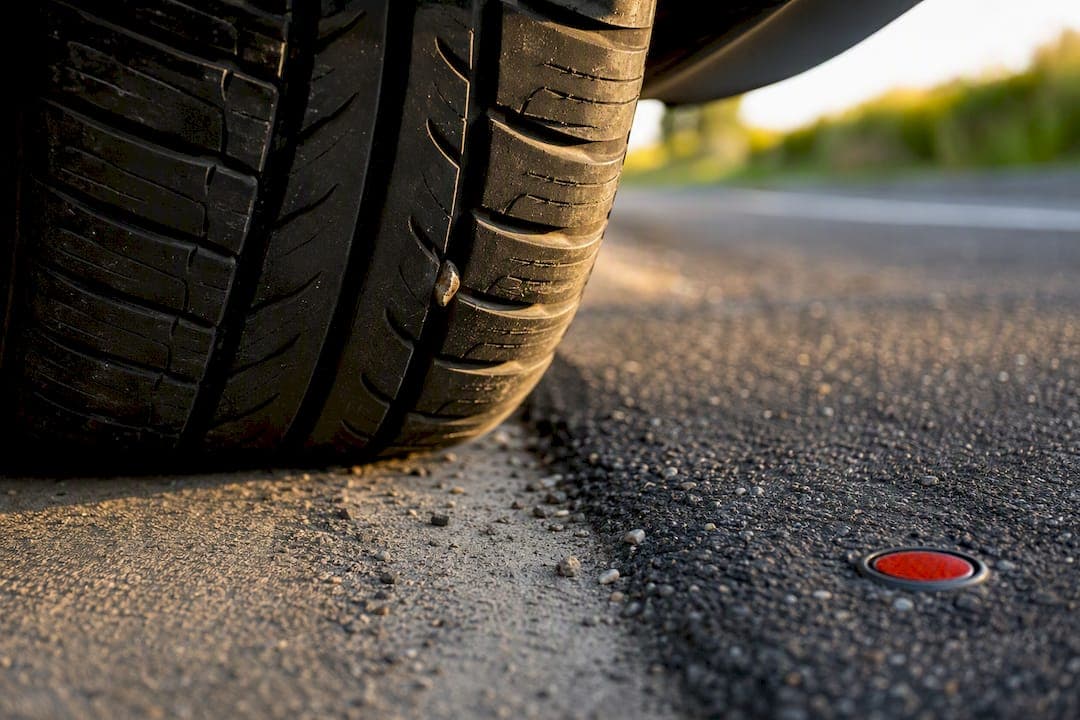
Extended warranties generally do not cover tires because tires are classified as wear-and-tear items, not mechanical failures. The short answer: if you want tire protection, look to the tire manufacturer's own warranty or a separate road-hazard plan instead. RPM Warranty focuses on the mechanical systems that actually break down, like engines and transmissions, and can point you toward the right add-on if tire protection matters to you.
TL;DR:
- Extended warranties usually exclude tires because they are considered wear-and-tear items, with some limited OEM manufacturing defect coverage for original tires.
- Tire manufacturer warranties cover defects and offer prorated rebates based on mileage, but routine damage from potholes or impacts is not included.
- Road-hazard plans are necessary for genuine tire and wheel protection against road debris, impacts, and punctures, with coverage limits and additional costs.
- Reading warranty terms carefully for keywords like wear and tear, road hazard, and defect is key to understanding tire coverage and avoiding claim denials.
- Most mechanical extended plans do not cover tires, so consumers should purchase separate tire protection if they drive in rough conditions or want comprehensive coverage.
Table of Contents
- Why Tires Are Usually Excluded From Extended Warranties
- When Tires Might Be Covered: Manufacturing Defects and OEM Exceptions
- How Tire Manufacturer Warranties and Prorated Mileage Coverage Work
- Road-Hazard and Tire-and-Wheel Protection Plans Fill the Gap
- How to Check Your Warranty and File a Tire Claim
- Where RPM Warranty Fits Into Tire-Coverage Gaps
- The Real Problem Isn't Tire Exclusions, It's Unrealistic Expectations
- Get a Free Quote and See What's Actually Covered
- Sources
- FAQ
Why Tires Are Usually Excluded From Extended Warranties
Tires wear out. That's the entire reason they're excluded from most extended vehicle service contracts. An extended warranty exists to protect against unexpected mechanical breakdowns, the kind of failure a well-maintained BMW 5 Series or Honda Accord shouldn't experience under normal use. Tread wearing down over time isn't a breakdown. It's physics.
Vehicle service contracts are built around a wear-and-tear exclusion, and industry guides confirm that consumable parts sit outside standard mechanical breakdown coverage almost universally. Tires aren't alone on that list. Common exclusions alongside them include:
- Brake pads and rotors
- Wiper blades
- Air filters and cabin filters
- Spark plugs (in most gas engines)
- Routine fluid changes and scheduled maintenance items
The rationale is straightforward risk management. A warranty provider prices a contract based on predictable mechanical failure rates for a given make and model, whether that's a Range Rover's air suspension or a Ford F-150's transmission. Wear items don't fail unpredictably; they degrade on a known schedule tied to mileage and driving habits. Covering them would mean pricing every contract as if it also included routine maintenance, and that math doesn't work for either the provider or the customer. USA TODAY's breakdown of bumper-to-bumper coverage makes the same point: even the most exclusionary policies, the ones that cover "everything except," still draw the line at wear items.
When Tires Might Be Covered: Manufacturing Defects and OEM Exceptions
There's a narrow exception, and it trips up a lot of owners. Some automakers extend limited coverage to original-equipment tires, but only for manufacturing defects, not for how the tire performs on the road.
That distinction matters. A defect claim involves something wrong with how the tire was built: a belt separating inside the tread, a sidewall failing under completely normal driving with no impact damage, uneven wear caused by a factory alignment error. Road hazard damage (potholes, nails, curb strikes) and ordinary tread wear are excluded even under these OEM exceptions.
Documented cases show that manufacturing-defect coverage on OE tires is model-specific and typically prorated rather than a straight free replacement. Watch for these red flags that a claim won't qualify:
- Damage tied to a specific impact (curb, pothole, road debris)
- Wear patterns consistent with poor alignment or underinflation
- Tread depth already below the legal minimum
If the tire has a visible puncture or gouge, it's a road-hazard claim, not a defect claim, and the OEM exception won't apply.
How Tire Manufacturer Warranties and Prorated Mileage Coverage Work
Tire manufacturers issue their own warranties, separate from anything tied to your vehicle. These typically split into two categories: workmanship/materials defect coverage and mileage or tread-life warranties.
The mileage warranty is the one most owners actually use, and it almost always works on a prorated basis rather than a flat replacement. Prorated coverage means your reimbursement shrinks as the tire wears. A tire that fails prematurely before reaching its warrantied mileage would typically qualify for a prorated credit toward a replacement, not a free tire.
Pro Tip: Check the tread wear indicator bars molded into the tire itself. Once they're flush with the tread surface, most manufacturers will treat the tire as having reached its rated mileage, regardless of your actual odometer reading.
Here's how to find and use this coverage:
- Look for the warranty pamphlet in your glove box, or check the tire manufacturer's website using the DOT code on the sidewall.
- Note the rated mileage, usually somewhere between 45,000 and 80,000 miles depending on the tire class.
- Keep every service receipt showing rotations, since most tire warranties require documented rotation intervals to stay valid.
- Expect to pay for mounting, balancing, and disposal fees even on an approved prorated claim. Those costs are rarely covered.
Road-Hazard and Tire-and-Wheel Protection Plans Fill the Gap
If you want actual protection against potholes, nails, and curb damage, you need a dedicated road-hazard or tire-and-wheel plan. These are separate products from both your vehicle's extended warranty and the tire manufacturer's defect coverage.
Road-hazard plans typically cover:
- Punctures from nails, screws, and road debris
- Sidewall damage from potholes or impacts
- Wheel damage from the same road hazards, on tire-and-wheel bundles specifically
They typically exclude damage from racing, off-roading beyond the vehicle's rating, or tires already worn past a set tread depth at the time of the incident.
Most plans come with real limits worth reading closely before you buy. Expect a per-tire dollar cap, an annual claim cap, and prorated replacement value as the tire ages, similar to how mileage warranties work. Purchase models vary too: some are one-time payments bundled at the point of tire purchase, others are ongoing term plans sold separately.
Pro Tip: Ask specifically whether wheel damage is included or whether the plan only covers the tire. "Tire protection" and "tire-and-wheel protection" are not the same product, and the price difference usually reflects that gap.
Some extended warranty providers do add limited tire perks into premium tiers, and this does happen, but treat it as a bonus feature on top of mechanical coverage, not a substitute for a dedicated road-hazard plan.
How to Check Your Warranty and File a Tire Claim
Before you assume a tire issue is or isn't covered, pull the actual paperwork. Don't rely on memory or what the dealer told you at signing.
- Locate your documents. Find your extended warranty contract (often in the glove box or on the provider's online portal) and your tire's separate warranty pamphlet.
- Search for specific contract language. Look for the terms "wear and tear," "road hazard," "manufacturing defect," and "prorated." These four phrases determine what's actually covered and how much you'll be reimbursed.
- Assemble your documentation. Gather photos of the damage, service records showing rotation history, the original purchase invoice with the DOT code, and mileage at the time of failure.
- Submit the claim and track the timeline. Most providers respond within one to two weeks. If denied, ask for the specific denial reason in writing before you appeal.
Pro Tip: A maintenance log showing regular tire rotations and wheel alignments materially improves your odds of overturning a denial, since providers frequently deny claims when they see no evidence of routine service.
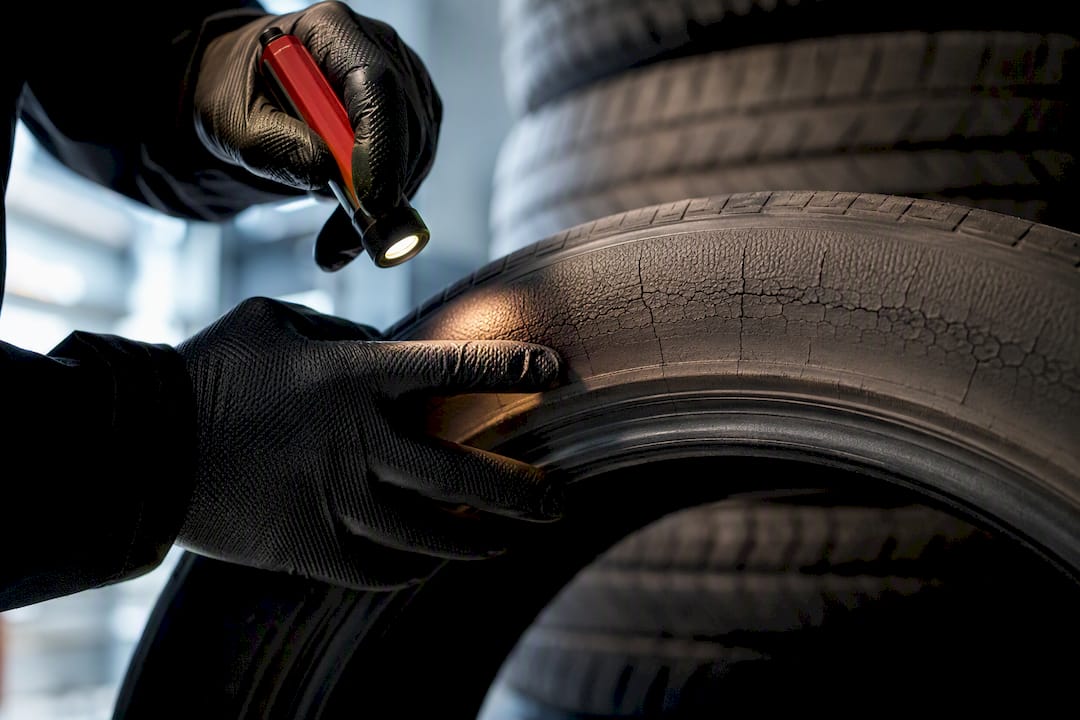
Neglect kills more claims than people realize. Providers routinely deny tire-related claims tied to missed maintenance or unauthorized modifications, and tire dry rot from poor storage is a common, avoidable reason claims get rejected. If your Mercedes-Benz or Porsche has sat with the same tires for several years regardless of mileage, that age itself can void a claim even with plenty of tread remaining.
Where RPM Warranty Fits Into Tire-Coverage Gaps
RPM Warranty exists to cover the expensive stuff tires aren't: engines, transmissions, cooling systems, electrical components, and the high-tech systems packed into modern vehicles from a Porsche Cayenne's air suspension to a Ford F-150's turbocharged EcoBoost engine. Coverage comes in three tiers, Elite, Advanced, and Essential, so owners can match protection to their budget and how long they plan to keep the vehicle.
Because tires fall outside nearly every mechanical breakdown contract, part of a good plan review means being upfront about that gap. When you request a quote, the provider typically walks through:
- Which components your specific make and model are most likely to need repaired
- Where tires and other wear items sit outside your coverage
- Whether a separate road-hazard or tire-and-wheel plan makes sense alongside your mechanical coverage
If you drive a vehicle with complex electrical and suspension systems, getting a quote can give you a clear picture of what's actually protected.
The Real Problem Isn't Tire Exclusions, It's Unrealistic Expectations
Most of the frustration around tire coverage doesn't come from providers hiding the ball. It comes from owners assuming "extended warranty" means "everything is covered," and that assumption sets them up to feel cheated over something the contract never promised in the first place.
The conventional advice, "read your contract," is technically correct and mostly useless. Nobody reads a 40-page service contract looking for the word "prorated." What actually helps is knowing which four or five terms matter before damage happens, not after. Wear and tear, road hazard, manufacturing defect, prorated. Learn those, and half the disputes in this space disappear before they start.
If you're shopping for coverage right now, prioritize the mechanical systems most likely to actually fail on your vehicle first. Tire protection is a smaller, cheaper decision you can layer on separately, and it shouldn't be the deciding factor in which extended warranty you buy.
— Kenneth
Get a Free Quote and See What's Actually Covered
Extended warranties are typically built around covering the failures that actually drain your bank account, not the tires you'll replace on a normal maintenance schedule anyway. Where a basic contract leaves engines, transmissions, and electrical systems exposed once the factory warranty runs out, extended warranty plans put protection behind those high-cost components, often offered across multiple tiers.
Comparing coverage takes a few minutes. Get a free quote and see how the three tiers stack up for your specific make, model, and year, whether that's a Honda approaching 80,000 miles or a Range Rover still under warranty but headed toward its expiration. If you drive a Volkswagen, there's a dedicated coverage breakdown built specifically around that platform's common repair needs. Ask about optional road-hazard add-ons while you're at it. Tires won't be part of the core plan, but you'll know exactly what is, and what still needs a separate policy.
Sources
- What’s Covered and What’s Not: A Guide to Extended Car Warranty Coverage
- Are Tires Covered Under a New Car Warranty
- What is a bumper-to-bumper warranty? USA TODAY explains
- Are Tires Covered Under a New Car Warranty
FAQ
Should I get an extended warranty on tires?
An extended vehicle warranty won't cover tires either way, so the real question is whether you need a separate road-hazard or tire-and-wheel plan, which is worth it if you drive on rough roads or in an area with frequent pothole damage.
What is not covered under an extended warranty?
Beyond tires, extended warranties typically exclude brake pads, wiper blades, filters, spark plugs, and any routine scheduled maintenance, since these are wear items rather than mechanical failures.
Is an extended warranty a rip-off?
Not if you understand what it's designed for: extended warranties protect against expensive, unpredictable mechanical breakdowns like transmission or engine failure, not wear items like tires, so the value depends on matching the plan to your actual risk.
What does the 50,000-mile warranty on tires mean?
Tire warranties are typically prorated, meaning if the tire fails or wears out before reaching the rated mileage, you get partial credit toward a replacement based on how much tread life you actually used, not a free replacement tire.