
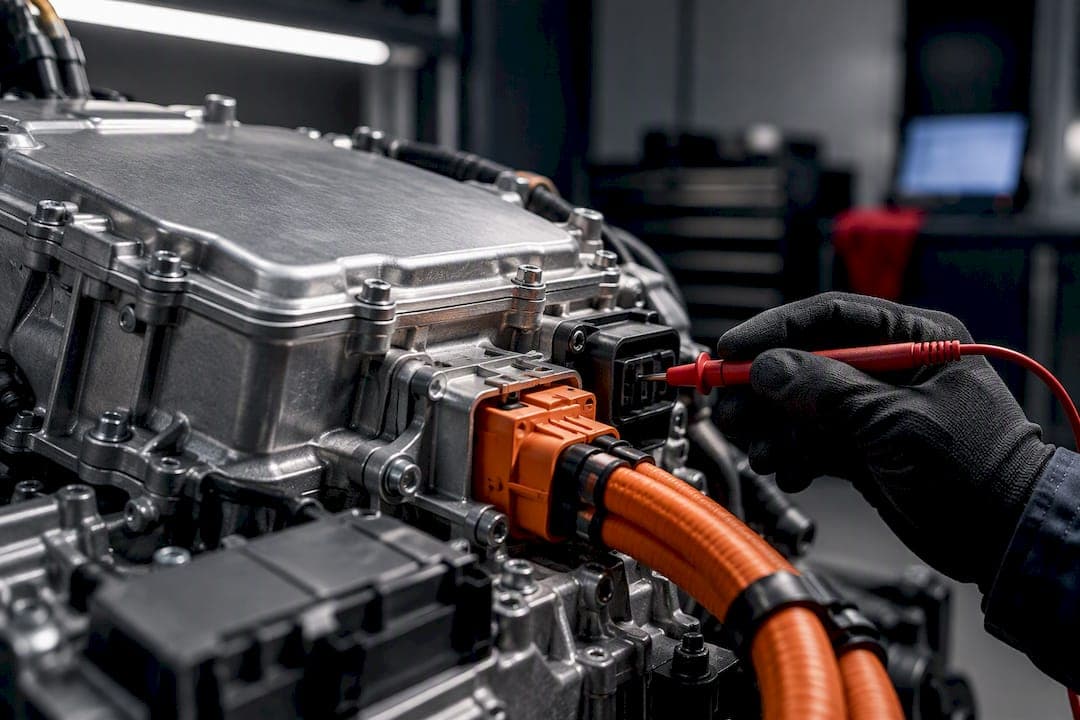
Extended warranties can cover a hybrid inverter, but only when the contract names the part directly and spells out diagnostic labor coverage alongside it. A plan that just says "electrical system" or "high-tech components" without listing the inverter or converter leaves you guessing during a claim. Before you buy anything, check your factory hybrid warranty status and get written confirmation of both the component list and the diagnostic labor terms.
TL;DR:
- Extended warranties must explicitly name the inverter or converter assembly and include diagnostic labor coverage to be financially protective.
- Diagnostic labor exclusions are common and can lead to owners paying hundreds to thousands of dollars for failure confirmation even when parts are covered.
- Verify if your factory hybrid warranty already covers the inverter and compare it with the extended plan to avoid paying for duplicate coverage.
- Always get written confirmation of the exact component list and labor terms before signing an extended warranty contract.
- Coverage is most valuable for long-term owners of high-mileage hybrids or models with costly inverter repairs, especially after factory warranties expire.
Table of Contents
- What Inverter Coverage Typically Includes
- Common Exclusions and Contract Gotchas That Catch Owners Off Guard
- How to Check Your Factory Hybrid Warranty Before Buying Extra Coverage
- Questions to Ask and Clauses to Get in Writing Before You Buy
- What Inverter Repairs Cost and When Coverage Pays Off
- How Claims Work and the Warning Signs to Watch For
- When Inverter Coverage Is Actually Worth Buying
- Getting a Hybrid-Ready Plan Through Rpmwarranty
- Sources
- FAQ
What Inverter Coverage Typically Includes
When a plan genuinely covers your hybrid inverter, the contract should name specific hardware rather than lump it into a vague electrical category. Look for language covering the inverter or converter assembly itself, the power electronics module, the DC to DC converter, and the sensors and high-voltage wiring tied to those parts. Vehicles like a Ford Escape Hybrid, Honda CR-V Hybrid, or Range Rover P400e all route battery power through this same basic architecture, so the naming convention matters regardless of make.
Labor terms deserve equal attention. A plan might cover the replacement part but cap or exclude the diagnostic teardown needed to confirm the failure, which is often where owners get stuck with a bill despite having "coverage." Software reflashes and ECU calibration, frequently required after an inverter swap, may or may not be bundled in depending on the plan tier.
- Named parts to look for: inverter/converter assembly, power electronics module, DC to DC converter, associated sensors and wiring.
- Labor to confirm: diagnostic teardown, any labor cap, replacement labor, and whether software recalibration is included.
- Higher tier plans tend to name high-tech components explicitly and include more labor, while entry-level plans often remain generic.
Common Exclusions and Contract Gotchas That Catch Owners Off Guard
The gap between what a warranty sounds like and what it actually pays for usually lives in the exclusions section. Diagnostic labor is the single biggest one: many contracts cap or exclude the labor needed to identify the failure, even when the replacement part itself would be covered. Practitioner-level guidance on this exact issue notes that diagnostic labor exclusions can leave owners paying teardown costs that run from several hundred to over a thousand dollars, even on a covered part.
Other traps show up just as often on high-mileage BMW, Mercedes, or Porsche hybrids:
- Wear and tear language that voids coverage if you cannot produce full dealer service records.
- Pre-existing condition clauses tied to odometer readings or contract start dates, which can disqualify a fault that began before enrollment.
- Software updates, recalibration, and firmware fixes excluded unless the contract lists them by name.
- Authorized shop restrictions that limit repairs to specific networks, which can complicate coverage if you use an independent mechanic.
Pro Tip: Ask the seller to point to the exact line naming diagnostic labor before you sign anything, not just the line naming the part.
How to Check Your Factory Hybrid Warranty Before Buying Extra Coverage
Most hybrid and plug-in hybrid vehicles carry a manufacturer warranty on hybrid system components that runs longer than the standard bumper to bumper term. Before shopping for extended protection, confirm what you already have.
- Pull your factory coverage details from the owner's manual, the window sticker, or a dealer VIN lookup, since hybrid battery and inverter terms are often listed separately from basic powertrain coverage.
- Note the exact duration and mileage limit for the hybrid system warranty, since Honda, Ford, and Range Rover hybrid lines each set their own terms.
- Compare the manufacturer's named components against any extended plan you're considering: does the factory warranty already list the inverter or converter, and for how much longer?
- Check whether the factory coverage transfers to a second owner, since that affects whether extended coverage is worth adding now or later.
- If anything is unclear, ask the dealer for written confirmation of what's still active rather than relying on a verbal answer.
Buying extended coverage that duplicates an active factory warranty wastes money, a point the FTC's guidance on auto service contracts makes directly: compare any extended contract against your factory warranty and get full terms in writing before paying anything.
Questions to Ask and Clauses to Get in Writing Before You Buy
A sales call can promise anything. The contract is what actually pays out, so treat the call as a starting point and the paperwork as the only thing that counts.
- Ask for the exact component list and confirm it names the inverter or converter, not just "electrical system" or "hybrid components."
- Confirm diagnostic and teardown labor coverage specifically, along with the deductible per visit, any waiting period, and the contract's start date.
- Ask which shops are authorized for repairs, whether OEM parts are used or aftermarket substitutes are allowed, and whether software or ECU reflashes are included.
- Request that the written contract match every verbal claim made during the sales conversation, and keep a copy of both.
This is where consumer alerts on extended warranty scams are worth reading directly: insisting on exact component naming and explicit diagnostic labor coverage is described as the decisive safeguard against a denied claim later. If a seller resists putting something in writing, treat that as your answer.
What Inverter Repairs Cost and When Coverage Pays Off
Inverter and converter assemblies sit among the more expensive hybrid components to replace, combining a costly part with several hours of skilled labor. Say a repair runs several thousand dollars in parts and labor and your plan carries a modest deductible: you'd pay the deductible amount instead of the full repair bill, assuming the contract explicitly names the part and covers the diagnostic labor to confirm the failure. If diagnostics are excluded, you could still owe several hundred dollars in teardown fees before the covered repair even begins.
One of the most consistent findings in FTC guidance is that diagnostic labor is a frequent point of dispute in service contracts, and confirming it in writing before purchase is what separates a useful plan from one that leaves owners paying anyway. That single line item, more than any other, decides whether a plan pays off.
Risk factors that push the math toward buying coverage include higher vehicle age, heavy daily mileage, and known inverter issues on specific models. A hybrid nearing the end of its factory hybrid warranty with 80,000 or more miles carries more exposure than a low-mileage vehicle still inside factory terms.

How Claims Work and the Warning Signs to Watch For
A typical claim moves through four steps: pre-approval from the administrator, authorized diagnostics to confirm the fault, repair authorization once the covered part is identified, and payment or reimbursement to the shop. Keep every diagnostic report, service invoice, dealer statement, and photo tied to the repair, since gaps in documentation are a common reason claims get delayed or denied.
Watch for the red flags FTC enforcement actions have documented against some sellers in this industry:
- Heavy telemarketing pressure to sign before you've seen the full contract.
- A written contract that doesn't match what the salesperson promised on the phone.
- Unusually long delays in approving diagnostics or repairs.
- Flat refusal to cover diagnostic labor even when the part itself is listed as covered.
If a claim is denied, escalate to the plan administrator in writing, keep every record, and contact your state consumer protection office or the FTC if the denial contradicts the signed contract.
When Inverter Coverage Is Actually Worth Buying
Extended inverter coverage makes the most sense for owners planning to keep a hybrid well past its factory hybrid warranty, especially on models with historically expensive inverter designs. A long-term owner of a Range Rover P400e or a high-mileage Honda Accord Hybrid has more to lose from a five-figure repair than someone trading in every three years.

Skip it if your factory hybrid system warranty is still active and covers the same years and mileage you're planning to keep the car, or if you have the savings to self-insure against a single expensive repair. The math changes once factory coverage lapses.
What matters most isn't the brand on the contract but whether the paperwork names the inverter and the diagnostic labor together. A four-step consultation process that walks through component selection line by line, rather than handing over a generic brochure, is the difference between assuming you're covered and knowing it.
— Kenneth
Getting a Hybrid-Ready Plan Through Rpmwarranty
Some extended warranty providers offer tiered plans, which may be customizable to a vehicle's specifics, including hybrid system components. Certain warranty providers may use a multi-step process involving consultation, plan selection, customization to add or confirm coverage for components like the inverter and diagnostic labor, and a final agreement to review before signing.

This kind of structure attempts to prevent vague wording that can cause denied claims by naming covered components before purchase rather than after a repair shop identifies exclusions. If you want to see what a plan looks like for your hybrid, check available protection plans or, for a hybrid motorcycle, review the motorcycle warranty options and request a quote built around your specific make and model.
FAQ
Do extended warranties normally cover hybrid inverters?
Coverage is possible but never automatic: it depends on the contract explicitly naming the inverter or converter assembly along with diagnostic labor terms. Read the component list before assuming an "electrical system" category includes it.
How long do hybrid inverter warranties usually last?
Manufacturer hybrid system warranties vary by automaker and are typically listed in the owner's manual or on a VIN lookup with their own duration and mileage limit, separate from the base warranty. Some extended plans are customizable in length and may be arranged to start once factory coverage ends.
What does an inverter repair typically cost without coverage?
Inverter and converter replacement combines a costly part with several hours of skilled labor, which is why confirming diagnostic labor coverage matters as much as confirming the part itself. Costs vary by make and model, so get a shop estimate for your specific vehicle before deciding whether coverage makes financial sense.
What's the biggest mistake buyers make with inverter coverage?
The most common mistake is assuming a vague "electrical" or "high-tech" category automatically includes the inverter, then discovering during a claim that it doesn't. The FTC advises getting full contract terms in writing and comparing them line by line against your factory warranty before you buy.
How do I avoid paying twice for the same coverage?
Check your factory hybrid system warranty's duration, mileage limit, and named components before buying anything extra, since many extended plans duplicate coverage you already have. If you're unsure what your factory warranty includes, ask the dealer for written confirmation rather than assuming.