
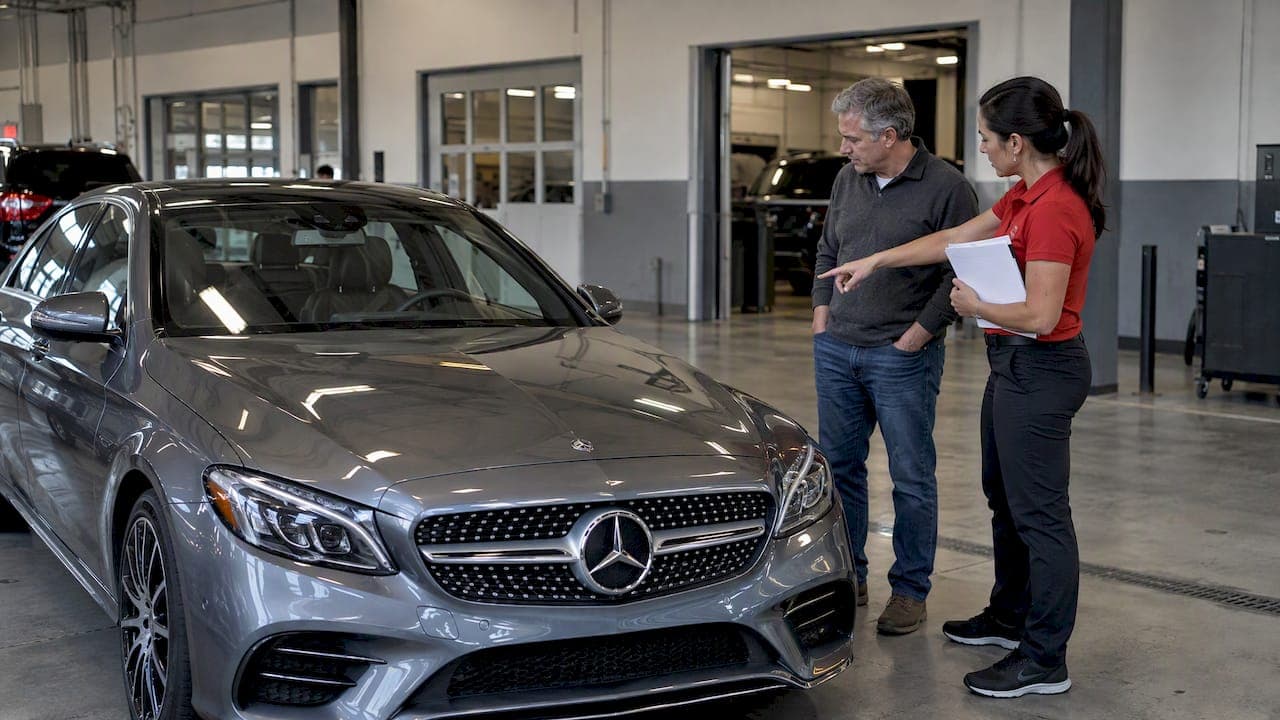
Most luxury vehicle owners pay between $600 and $3,000 a year for an extended warranty, with multi-year contracts often landing between $1,500 and $3,000 or more depending on coverage. An extended or service contract tends to pay off for owners who plan to keep a Range Rover, BMW, Mercedes, or Porsche past the factory warranty, since repair bills on these brands run higher than average. Some companies build tiered plans around that exact gap.
TL;DR:
- Extended warranty costs for luxury vehicles typically range from $600 to $3,000 annually, with higher mileage and older models costing more.
- European luxury brands, such as Land Rover and Porsche, face higher repair costs and severity, making coverage more justifiable past factory warranty.
- Coverage options vary by model age, mileage, and technology, with broader plans and lower deductibles costing more, but potentially saving money on repairs.
- Self-insuring is often better for reliable brands like Honda and Ford, while owners of complex, high-severity models benefit more from extended coverage.
- Getting a tailored quote with specific vehicle details helps determine whether coverage or self-insurance offers better value.
Table of Contents
- What a luxury car extended warranty actually costs
- What drives the price of your quote
- Why luxury repair costs change the math
- How to decide if a service contract is worth it for your car
- Contract details to check before you sign
- How rpmwarranty structures coverage for luxury owners
- When buying coverage makes sense and when it doesn't
- Get a quote built around your specific vehicle
- FAQ
- Sources
What a luxury car extended warranty actually costs
Price depends heavily on the vehicle's age and mileage at the time of purchase. A newer luxury model still under factory coverage typically locks in the lowest rates, while a used vehicle already past 60,000 miles costs more because the insurer is absorbing more risk sooner.

For vehicles in the 100,000 to 150,000 mile range, Cars.com reports monthly costs commonly between $60 and $230, with 18-month contract totals running roughly $1,000 to $4,200. Dealers frequently present these costs as a line item rolled into the auto loan, which spreads the expense but adds interest over the life of the loan.
A few patterns show up across brands:
- A Range Rover or Porsche owner buying coverage after 60,000 miles usually faces higher costs due to elevated parts and labor expenses.
- A BMW or Mercedes owner purchasing a contract while the factory warranty is still active generally receives better pricing and broader term options.
- A Honda or Ford owner, even in a higher trim, tends to pay less than European luxury counterparts due to lower parts and labor costs.
What drives the price of your quote
Your quote reflects three separate categories of risk, and understanding each one helps you predict where you will land before you ever call a provider.
Vehicle factors matter first: the model, model year, current mileage, and whether the car carries hybrid, electric, or advanced driver assistance technology all push price up, since those systems cost more to diagnose and repair.
Coverage factors come next:
- Powertrain-only coverage costs less than comprehensive or "bumper to bumper" style plans.
- Longer terms and higher mileage caps raise the total price even when the monthly payment looks similar.
- A higher deductible per visit lowers your premium but raises your out of pocket cost at claim time.
Contract and provider factors round it out, including administrative fees, whether the plan transfers to a new owner, and whether you buy through a dealer finance office or directly from a provider.
Pro Tip: Get a quote before you negotiate the car's purchase price. Dealers often bundle warranty costs into financing, which makes the true price harder to compare.
Why luxury repair costs change the math
European luxury brands carry higher parts and labor costs than mainstream brands, and that gap widens every year a vehicle ages past its factory warranty. RepairPal data on Land Rover shows some luxury models carrying higher average annual repair costs and greater repair severity than many peers, a pattern that shows up across other European luxury brands as well.
Severity matters more than frequency for luxury owners. A Range Rover or Porsche might not need frequent repairs, but when something fails, such as an air suspension compressor or an electronic control module, the bill can run into thousands of dollars. That single expensive failure is often the entire argument for carrying coverage, even on a vehicle with an otherwise solid reliability record.

Hybrid systems, electric components, and proprietary electronics add another layer of cost. A BMW or Mercedes equipped with advanced driver assistance features requires specialized diagnostic equipment and trained technicians, and that labor premium shows up in both out of pocket repairs and warranty pricing.
How to decide if a service contract is worth it for your car
Run through a short checklist before you commit to any plan:
- Confirm how many years you plan to keep the vehicle. Coverage makes more sense the longer you intend to own a car past its factory warranty.
- Estimate your annual mileage. High-mileage drivers burn through coverage caps faster and should weigh that against the contract's mileage limit.
- Check your remaining factory coverage. Buying before that coverage expires usually gets you better pricing and more term options, according to Consumer Reports.
- Weigh your own repair-risk tolerance. A Honda or Ford owner with a strong reliability history may prefer to self-insure, while a Porsche or Range Rover owner facing higher severity risk often leans toward coverage.
As a rough example: if a three-year contract costs $2,200 total and a single major repair on a European luxury SUV commonly runs $2,500 to $4,000, the math tilts toward coverage for an owner planning to keep the car through that window. An owner trading in within a year or two, or driving a model with a strong reliability record, often comes out ahead skipping it.
Contract details to check before you sign
Read the actual contract, not just the sales pitch. The FTC notes that service contracts list covered components by name, and a failure outside that list can be denied even when it seems related to a covered part.
Confirm these items before paying anything:
- The exact named parts and systems covered, not a general description.
- Waiting periods, which commonly run 30 days or 1,000 miles before coverage starts.
- The deductible amount per repair visit, not per contract term.
- Cancellation, refund, and transferability terms in case you sell the car early.
- Whether repairs must happen at an authorized network shop or can go to any licensed mechanic.
Pro Tip: Get every verbal promise in writing before you sign, and get at least two quotes so you have something to compare against.
Financing the contract into your auto loan raises the total cost through interest, so paying for it separately, even in installments, is usually cheaper over time.
How rpmwarranty structures coverage for luxury owners
Some providers offer plan tiers that cover engine, transmission, cooling, electrical, steering, suspension, and high-tech electronic components, along with roadside assistance and rental reimbursement depending on the plan selected.
For a BMW, Mercedes, or Porsche owner, tier selection often comes down to how much of the vehicle's technology package you want protected:
- Elite-level plans typically suit owners who want the broadest component coverage, useful for vehicles with hybrid or advanced electronic systems.
- Advanced and Essential tiers fit owners who want core powertrain protection at a lower cost.
- Deductible choice within any tier changes the monthly price, so a Range Rover owner expecting occasional high-cost repairs might choose a lower deductible even at a higher premium.
When buying coverage makes sense and when it doesn't
Long-term owners of higher-severity models, think Range Rover, Porsche, or Mercedes with complex electronics, tend to benefit most from a service contract, because a single repair can exceed the cost of several years of premiums. Owners of historically reliable vehicles, including many Honda and Ford models, often come out ahead self-insuring instead.
Dave Ramsey's widely known advice leans toward skipping extended warranties entirely and saving the equivalent amount in a dedicated repair fund. That advice works best for disciplined savers with reliable vehicles. It works less well for someone who just bought a used European luxury SUV with a thin repair history and no appetite for a surprise $3,000 bill.
— Kenneth
Get a quote built around your specific vehicle
Figuring out the right coverage level gets a lot easier once you have a real number in front of you instead of a price range. A quote process that asks for your VIN, current mileage, model year, and preferred term and deductible can return a plan built around that specific car rather than a generic estimate.
If you drive a Range Rover, BMW, Mercedes, or Porsche, start with the Elite, Advanced, and Essential plans and compare what each tier actually covers, not just the monthly payment. Owners of higher-end motorcycles can look at the Full Throttle plan for similar protection on two wheels. Whichever tier fits your budget, read the covered-components list closely before you commit, since that list determines what you're actually protected against when something breaks.
FAQ
How much does a 100,000 mile extended warranty cost?
Vehicles in the 100,000 to 150,000 mile range typically cost $60 to $230 per month, with an 18 month contract totaling roughly $1,000 to $4,200. Exact pricing depends on the vehicle's make, coverage level, and chosen deductible.
What is the best luxury car warranty?
There's no single best option since the right plan depends on your vehicle's age, mileage, and how much of its technology you want covered. Comparing named components, deductibles, and term length across a few quotes, including tiered options like rpmwarranty's Elite, Advanced, and Essential plans, matters more than picking a brand name.
What brands have a 100,000 mile warranty?
Several manufacturers offer extended factory powertrain coverage reaching 100,000 miles on certain models, though terms vary by brand and model year. Checking your specific vehicle's factory coverage documents is the most reliable way to confirm what applies to your car.
What does Dave Ramsey say about car extended warranties?
Dave Ramsey generally advises against buying extended warranties and recommends saving the equivalent amount in a dedicated fund for repairs instead. That approach tends to work best for owners with reliable vehicles and the discipline to keep the fund untouched.
Is it worth financing an extended warranty into my car loan?
Rolling the cost into your auto loan increases the total price because you pay interest on the warranty amount over the life of the loan. Paying for coverage separately, even on a payment plan, usually costs less over time.