

MaxCare is CarMax's extended service contract, and for the right buyer, it's worth serious consideration. If you're purchasing a used BMW, Mercedes-Benz, Range Rover, or any vehicle with a history of expensive mechanical repairs, a MaxCare warranty can protect you from four- and five-figure repair bills. If you're buying a Honda Civic with 40,000 miles and plan to sell it in two years, you can probably skip it.
Here's what MaxCare covers at a glance:
- Engine, transmission, and drivetrain components
- Steering, suspension, and cooling systems
- Climate control and electrical/electronics systems
- 24/7 roadside assistance (towing, lockout, fuel delivery)
- Rental car or ride-share reimbursement during covered repairs
- Tire, wheel, and minor dent/ding repair (MaxCare Plus tier only)
One constraint matters above everything else: MaxCare must be purchased at the time you buy the vehicle. You cannot add it after the paperwork is signed. That point-of-sale deadline makes this a decision you need to think through before you sit down at the finance desk, not after.
Key Takeaways
MaxCare is worth buying for owners of higher-risk, high-repair-cost vehicles planning long ownership, but the point-of-sale-only rule and third-party claims administration require preparation before you sit down at the finance desk.
| Point | Details |
|---|---|
| Point-of-sale only | MaxCare cannot be added after purchase; the decision must be made at the time of vehicle sale. |
| Coverage scope | Major mechanical systems are covered; exclusions include maintenance, corrosion, abuse, and overheating-related failures. |
| Plan cost range | Published examples show plan totals in the low thousands for typical multi-year plans, depending on options. |
| Claims friction | Third-party administrators handle approvals; documentation, approved shops, and written records reduce denial risk. |
| Rpmwarranty alternative | Rpmwarranty offers tiered extended warranty plans with nationwide ASE-certified coverage and no point-of-sale deadline. |
Table of Contents
- What is the MaxCare warranty, and how does MaxCare Plus differ?
- What does MaxCare cover in detail?
- What MaxCare does not cover
- How MaxCare pricing and deductible choices work
- How to use MaxCare: filing a claim step by step
- Transferability, cancellation, and contract basics
- Is MaxCare worth it? A decision checklist
- What customer reviews reveal about MaxCare claim friction
- The honest read on MaxCare
- Rpmwarranty is worth a quote before you decide
- Sources
What is the MaxCare warranty, and how does MaxCare Plus differ?
MaxCare is an exclusionary vehicle service contract, meaning it covers everything except what the contract explicitly lists as excluded. That's generally a stronger model than an "inclusionary" plan, which only covers what's specifically named.
CarMax offers two tiers. Standard MaxCare covers the major mechanical systems: engine, transmission, drivetrain, steering, suspension, cooling, climate control, and electronics. MaxCare Plus adds cosmetic protections that most extended plans omit entirely, including tire and wheel coverage and minor paintless dent repair. For urban drivers or owners of low-profile-wheel vehicles like a BMW 5 Series or a Porsche Cayenne, those additions are genuinely useful. Road hazards and curb rash are constant realities in city driving, and standard plans ignore them completely.
CarMax also includes a limited vehicle warranty at the point of sale, typically covering 90 days or 4,000 miles, whichever comes first (state rules may vary). MaxCare picks up where that limited warranty leaves off. Terms can extend up to five years and up to 150,000 total odometer miles, though actual availability depends on the vehicle's mileage and condition at the time of purchase.
What does MaxCare cover in detail?
The major systems covered under a standard MaxCare plan include:
- Engine: internal lubricated parts, cylinder heads, seals, and gaskets
- Transmission and drivetrain: automatic and manual transmission components, transfer case, axles, and CV joints
- Steering: power steering pump, rack-and-pinion, and related components
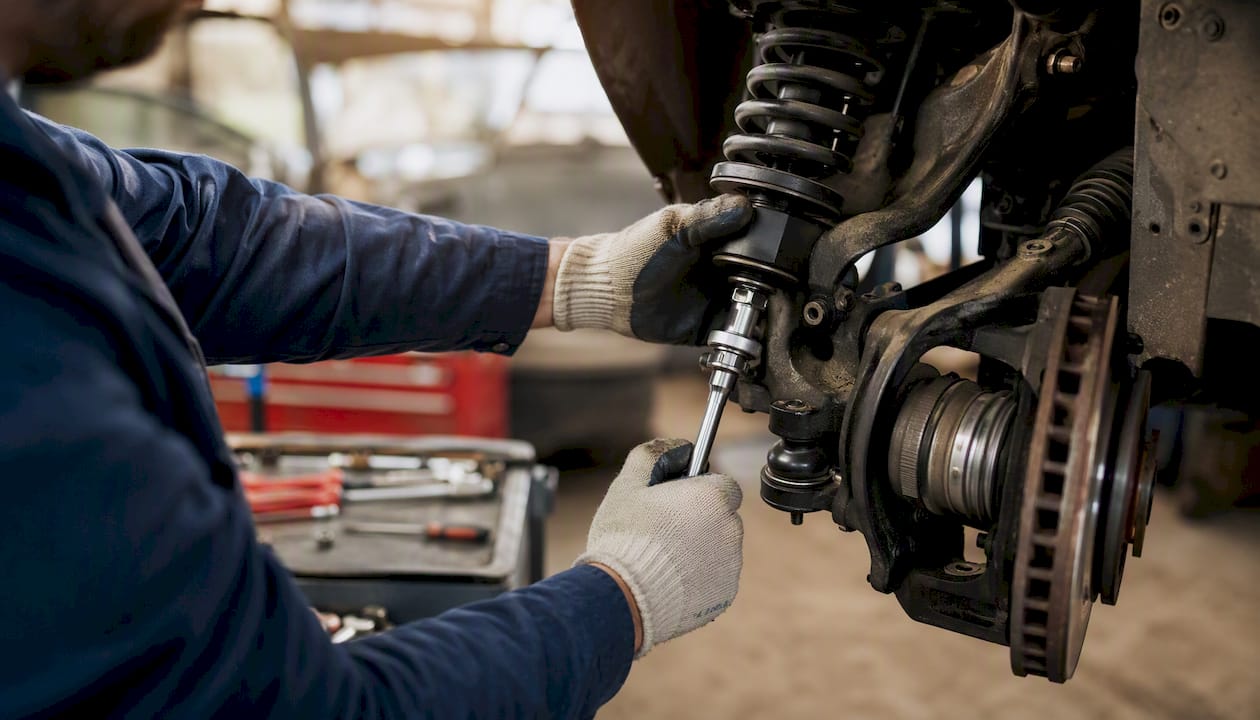
- Suspension: control arms, ball joints, struts, and wheel bearings
- Cooling system: water pump, radiator, thermostat housing
- Climate control: A/C compressor, condenser, and heater core
- Electrical and electronics: alternator, starter, factory-installed navigation, and sensors
Beyond the mechanical coverage, MaxCare Plus includes tire and wheel protection and minor dent/ding repair, protections that many comparably priced vehicle service contracts don't offer. Rental reimbursement is included with both tiers, with published examples showing rental reimbursement of tens of dollars per day for multiple days per repair event, which is more generous than many standard extended plans.
Repairs at CarMax service centers or RepairPal-certified shops typically come with a deductible discount, which is worth factoring into your shop choice when something breaks. The plan also includes a repair guarantee on covered work.
Pro Tip: Before you sign, ask the finance manager to show you the actual deductible tiers available for your specific vehicle. Option deductibles are commonly available in multiple tiers ranging from low to moderate amounts per visit. A lower deductible costs more upfront but reduces your out-of-pocket exposure on every repair.
What MaxCare does not cover
The exclusionary model sounds broad, but the exclusions list is long enough to matter. MaxCare excludes maintenance services, aftermarket accessories, collision damage, corrosion, and breakdowns caused by abuse or failure to perform recommended maintenance. In practical terms, that means:
- Oil changes, brake pads, batteries, wiper blades, and other routine services
- Tires (on standard MaxCare; covered under Plus)
- Damage from accidents or cosmetic issues beyond Plus terms
- Rust and corrosion damage
- Aftermarket parts or modifications
- Failures caused by overheating, misuse, or neglect
That last point deserves attention. The exclusionary model still contains specific exclusions that commonly trigger denials. Overheating-related damage is a frequent example: an administrator may deny coverage for a blown head gasket by attributing the failure to prior overheating, even when the owner was unaware of the condition. This is one of the most cited friction points in consumer complaints.
Pro Tip: Keep every maintenance receipt tied to your VIN, including the date and work performed. A documented service history is your primary defense if an administrator tries to deny a claim on grounds of neglected maintenance. A single missing oil change record can give an administrator the opening it needs.
How MaxCare pricing and deductible choices work
MaxCare pricing is not publicly listed as a flat rate. The cost depends on the vehicle's make, model, year, and mileage at purchase; the term and mileage cap you choose; and the deductible tier you select. Whether you pay upfront or roll the cost into financing also affects the total you pay, since financing adds interest over the loan term.

Published industry examples using a midlife sedan as a baseline show plan totals in the low thousands for typical multi-year plans, depending on options. A higher-mileage vehicle or a luxury model like a Mercedes-Benz GLE or a Range Rover Sport will typically land at the higher end of that range, reflecting greater mechanical complexity and higher parts costs.
The break-even math is straightforward. If a single transmission replacement on a used BMW 3 Series runs $3,000–$5,000 at an independent shop, and your MaxCare plan costs $2,500 over five years, one major failure pays for the plan. The question is how likely that failure is given the vehicle's history, mileage, and reliability record.
Higher deductibles reduce the plan's upfront cost. A $200 deductible plan costs less than a $50 deductible plan, but you absorb more out-of-pocket on each repair visit. For a driver who expects infrequent repairs, a higher deductible makes sense. For someone buying a used Porsche Cayenne with 80,000 miles, a lower deductible is probably the smarter call.
How to use MaxCare: filing a claim step by step
When something breaks, the process follows a specific sequence. Skipping any step, especially authorization, can result in a denied claim.
- Stop driving if the issue is mechanical. Continuing to drive a vehicle with a warning light can be cited as aggravating the damage, which gives the administrator grounds to deny.
- Call the MaxCare claims line before authorizing any repair work. The administrator, not CarMax directly, handles approvals. MaxCare plans are administered by third-party administrators, and authorization must be obtained before work begins.
- Choose an approved repair facility. You can use any licensed repair center, but CarMax service centers and RepairPal-certified shops offer a deductible discount and tend to have established relationships with the administrator.
- The shop contacts the administrator directly to confirm coverage and negotiate the repair scope.
- You pay your deductible at the time of pickup. The administrator remits payment for the covered portion directly to the shop.
A few practical notes on this process:
- Always get the authorization number in writing before work begins.
- If the shop and the administrator disagree on the diagnosis, ask for a second opinion from another approved shop before the repair proceeds.
- Keep a written log of every call: date, time, representative name, and what was discussed.
Third-party administration creates a friction point because neither the dealer nor the administrator always accepts full responsibility when a dispute arises. Knowing this going in means you can document everything from the start rather than scrambling after a denial.
Transferability, cancellation, and contract basics
MaxCare plans are generally transferable to a new owner if you sell the vehicle, typically for a transfer fee. That transferability can add resale value, particularly on a vehicle with significant coverage remaining.
Key contract mechanics to know:
- Cancellation: You can cancel MaxCare and receive a prorated refund based on time elapsed and mileage used. Cancellation fees may apply, and if the plan was financed, the refund goes toward the loan balance rather than directly to you.
- Maintenance obligations: Following the manufacturer's recommended maintenance schedule is a contract requirement. Skipping scheduled services and failing to keep receipts can void coverage on related claims.
- State-specific language: Contract terms vary by state. Read the state-specific version of your contract, not just the general summary sheet.
Pro Tip: If you're buying a used Range Rover or BMW and plan to sell within two to three years, check whether the remaining MaxCare term is transferable before you decide on the plan length. A transferable plan with solid coverage remaining can be a genuine selling point.
Is MaxCare worth it? A decision checklist
MaxCare makes the most sense for a specific buyer profile. Here's how to think through it.
Pros:
- Covers major mechanical systems that generate the largest repair bills
- Roadside assistance and rental reimbursement are included
- MaxCare Plus adds tire/wheel and dent protection most plans omit
- Transferable, which can support resale value
Cons:
- Point-of-sale only; no second chances after purchase
- Third-party administration creates claim friction
- Exclusions for overheating and maintenance-related failures are commonly cited in denials
- Financing the plan adds interest cost over the loan term
| Factor | Consider MaxCare | Skip or look elsewhere |
|---|---|---|
| Vehicle type | Luxury, European, or high-mileage used | Reliable economy car, low mileage |
| Ownership length | 3–5+ years | Under 2 years |
| Budget flexibility | Can absorb deductible per visit | Tight monthly budget |
| Repair network | Near CarMax or RepairPal shops | Remote area, limited shop access |
| Cancellation need | Plan to keep the vehicle | Likely to sell or trade soon |
Decision checklist:
- What is the vehicle's reliability record? A used Honda Accord at 55,000 miles carries far less mechanical risk than a used Range Rover HSE at the same mileage.
- How long do you plan to own it? Coverage up to 150,000 miles only pays off if you're driving toward that number.
- Can you absorb a $3,000–$5,000 repair bill without the plan?
- Are you near a CarMax service center or RepairPal-certified shop?
- Are you financing the plan? If yes, calculate the total cost with interest before deciding.
Sample scenarios:
Scenario A: You're buying a used Mercedes-Benz E-Class with 62,000 miles and plan to keep it five years. MaxCare is worth strong consideration. European luxury vehicles carry high parts and labor costs, and a single transmission or air suspension failure can exceed the plan's total cost.
Scenario B: You're buying a used Honda CR-V with 38,000 miles and expect to trade it in within two years. The limited warranty covers the near term, and the vehicle's reliability record makes a major failure unlikely. MaxCare is probably not the right call here.
Scenario C: You're buying a used Porsche Macan with 70,000 miles in a city with frequent road hazards. MaxCare Plus makes sense specifically because of the tire/wheel and dent coverage, on top of the mechanical protection.
What customer reviews reveal about MaxCare claim friction
Consumer reviews on platforms like Trustpilot show recurring patterns: claim denials, long approval delays, and disputes about the root cause of failures. These aren't isolated complaints. They reflect a structural issue with third-party administration, where the shop, the administrator, and the customer each have different incentives.
The most common friction points:
- Diagnosis disputes: The shop diagnoses one failure; the administrator insists the root cause is something excluded (overheating, prior damage, neglect).
- Pre-existing condition denials: Administrators may attribute a failure to a condition that existed before coverage began, even when the buyer had no knowledge of it.
- Approval delays: Some owners report waiting days for authorization while their vehicle sits at the shop.
Practical steps to reduce your risk:
- Get a pre-purchase inspection (PPI) from an independent mechanic before buying. Document the vehicle's condition in writing before MaxCare coverage begins.
- Keep every maintenance receipt, organized by date and mileage.
- Use CarMax service centers or RepairPal-certified shops whenever possible. These shops have established workflows with the administrator and are less likely to face authorization friction.
- Document every interaction with the administrator in writing. Follow up phone calls with an email summarizing what was discussed.
- For cosmetic claims under MaxCare Plus, photograph the damage immediately and before any cleaning or repair attempts.
If a claim is denied:
- Request the denial in writing with the specific contract exclusion cited.
- Contact CarMax customer support directly and escalate the dispute.
- File a complaint with your state's Department of Insurance or consumer protection office.
- Review your contract for arbitration provisions, which most vehicle service contracts include.
Pro Tip: Real-world disputes often come down to a diagnostic disagreement between the shop and the administrator. If you're facing a denial, ask the repair shop to document their diagnosis in writing, including the specific parts inspected and the failure mode observed. That written record is your strongest tool in an appeal.
The honest read on MaxCare
MaxCare is a legitimate product with real value for the right buyer, but it's sold under conditions that favor the seller. The point-of-sale-only rule means you're making a multi-thousand-dollar decision in the middle of a car purchase, when your attention is split and the finance manager is moving quickly. That pressure is worth naming.
For owners of higher-end vehicles, the math often works. A used Ford Explorer, BMW X5, or Mercedes-Benz C-Class carries enough mechanical complexity and parts cost that a single major repair can justify the plan's entire price. The roadside assistance and rental reimbursement are genuine perks, not filler. MaxCare Plus's tire and wheel coverage is a real differentiator for anyone driving on low-profile tires in a city.
Where MaxCare falls short is in the claims experience. Third-party administration is standard in the industry, but it creates a gap in accountability that shows up clearly in consumer reviews. The buyers who fare best are the ones who treat the plan like a legal contract from day one: they read the exclusions, keep their maintenance records, use approved shops, and document everything.
My recommendation by buyer type: long-term owners of European or luxury vehicles should take MaxCare seriously. Commuters driving reliable Japanese or American economy cars with low mileage can usually skip it. Buyers of used Porsche, Range Rover, or BMW models with 60,000+ miles are the clearest candidates for MaxCare Plus specifically.
Rpmwarranty is worth a quote before you decide
If you're still weighing your options, Rpmwarranty offers extended vehicle warranty plans you can explore outside the dealership finance desk, without the point-of-sale pressure that comes with MaxCare. Coverage tiers (Elite, Advanced, and Essential) are designed to match different vehicles and budgets, with protection for engines, transmissions, cooling systems, electrical components, steering, suspension, and hybrid systems.
Rpmwarranty works with ASE-certified mechanics nationwide, so you're not locked into a specific shop network to get full coverage. The claims process is straightforward, and roadside assistance and rental reimbursement are included. Whether you drive a BMW, a Range Rover, a Honda, or a Ford, the plan can be customized to your vehicle's year, make, and model.
Get a free quote at Rpmwarranty and compare your options before you commit to anything at the dealership.