
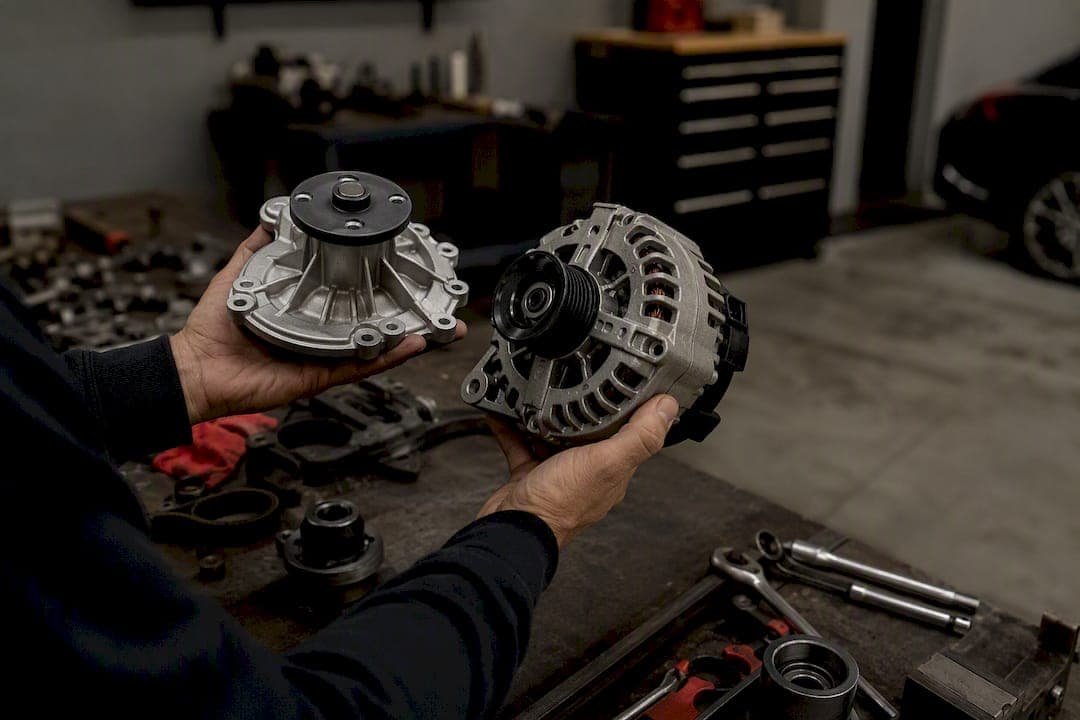
Yes. Most OEM replacement parts carry their own limited warranty, separate from your vehicle's factory warranty, and installing an aftermarket part somewhere else does not automatically void your remaining coverage. Federal law backs you up here: under the Magnuson-Moss Warranty Act, a manufacturer has to prove an aftermarket part actually caused the failure before it can deny a claim. The action item that matters most, starting today: keep every dated receipt and get the installer's name and shop information in writing.
A few facts to know before anything goes wrong:
- OEM service parts commonly carry 12-month or 24-month limited warranties, and some carry limited lifetime coverage.
- Labor is often included if an authorized dealer does the installation.
- Federal law prevents a manufacturer from voiding your factory warranty just because you used an independent shop or aftermarket part.
- The burden of proof sits with the manufacturer, not you.
Key Takeaways
OEM parts warranty coverage protects you for a limited window, and federal law stops manufacturers from voiding your broader warranty just because you used an aftermarket part or independent shop.
| Point | Details |
|---|---|
| Documentation is your defense | Keep dated receipts, installer details, and VIN/mileage records for every part replacement. |
| Coverage varies by part type | Service parts often run 12 to 24 months; some systems carry limited lifetime terms. |
| Manufacturers bear the burden | They must prove an aftermarket part caused a failure before denying a claim. |
| Exclusions are real | Wear items and consequential damage typically fall outside standard parts warranty terms. |
| Extended plans fill the gap | Consider extended coverage once OEM and factory warranties expire on high-value systems. |
Table of Contents
- What Does OEM Parts Warranty Coverage Actually Include?
- How Do You File an OEM Parts Warranty Claim?
- Can a Manufacturer Void Your Warranty for Using Aftermarket Parts?
- What Isn't Covered Under an OEM Parts Warranty?
- What Do You Do If a Warranty Claim Gets Denied?
- Where Extended Coverage Picks Up After OEM Parts Warranty Ends
- Where to Verify the Rules or Get a Quote
- What This Article Gets Right That Most Warranty Advice Misses
- Sources
What Does OEM Parts Warranty Coverage Actually Include?
OEM parts warranty coverage isn't one blanket policy. It splits into categories, and knowing which one applies to your part determines what you're actually owed.
Service replacement parts (alternators, water pumps, sensors, brake calipers) typically carry the shortest, most standardized terms. Accessory parts (floor mats, roof racks, infotainment add-ons) often have their own separate schedule. Emissions-related components sometimes fall under longer state or federal mandates that override the standard parts-warranty clock entirely.
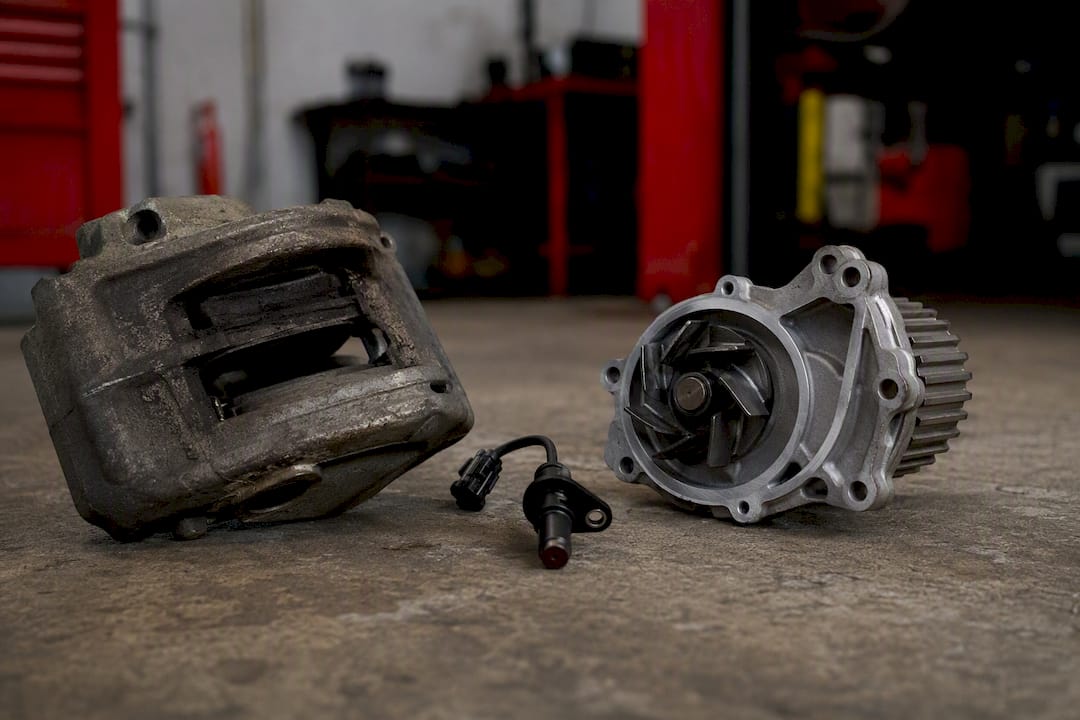
Representative durations you'll see published by OEM parts programs: 12 months, 24 months, or limited lifetime on select components, according to LegalClarity's review of OEM warranty law. Some manufacturers extend specific systems well beyond that. Hyundai, for instance, publishes multi-year coverage for hybrid battery components as part of its America's Best Warranty program, running as long as eight to ten years on select systems.
Coverage generally starts at the date of purchase or installation, whichever the written warranty specifies. That distinction matters more than most owners realize, because a part sitting in inventory for a year before installation could otherwise run out the clock before you ever drive on it.
Labor coverage follows a pattern too:
- Dealer-installed parts usually include labor in the warranty.
- Self-installed or independent-shop-installed parts often cover the part only, not the labor to replace it again.
- High-tech and powertrain components (transmission control modules, hybrid inverters, advanced driver-assist sensors) tend to carry tighter fitment and calibration requirements than simple wear items like belts or hoses.
If you drive a BMW, Mercedes, Porsche, or Range Rover with deeply integrated electronic architecture, this last point isn't academic. A misaligned sensor or a slightly off-spec module can throw calibration errors across multiple systems, which is one reason OEM parts tend to simplify warranty claims on these vehicles compared to third-party alternatives.
How Do You File an OEM Parts Warranty Claim?
Filing a claim goes smoother when you treat documentation as the whole game, because it is.
- Gather your paperwork first. You need the original dated receipt, the installation invoice with the shop's name and address, and your VIN with mileage recorded at the time of installation.
- Contact the warrantor before the shop. That's usually the dealer or manufacturer's parts division, not the installing mechanic, unless the mechanic sold you the part directly.
- Expect an inspection. Most warrantors send the failed part to a regional or manufacturer facility for diagnostic review before approving anything.
- Know your likely remedy. Repair or replacement is standard. Labor reimbursement depends on where the part was installed and what the written warranty specifies.
- Track your timeline. Processing commonly runs one to three weeks once the part reaches inspection, longer if a specialty component needs manufacturer sign-off.
Pro Tip: Get a written repair estimate from a second shop while your claim is pending. If the warrantor's timeline drags, you have a documented cost comparison ready for escalation instead of scrambling later.
Can a Manufacturer Void Your Warranty for Using Aftermarket Parts?
No, not automatically. This is where a lot of vehicle owners get bad advice from a service advisor who'd rather sell you the OEM part than explain your actual rights.
The Magnuson-Moss Warranty Act sets the federal floor here. It bars a manufacturer from voiding your factory warranty solely because you used an aftermarket part or an independent repair shop. The FTC's disclosure rules go further, requiring every written warranty to spell out what's covered, what's excluded, and the exact procedure for filing a dispute, per the statutory text at govinfo.
The catch: the manufacturer still gets to deny a claim if it can show the aftermarket part or service actually caused the failure. That's the manufacturer's burden to prove, not yours to disprove.
Routine maintenance, like an independent shop's oil change or a filter swap, carries low practical risk under this rule. Safety-critical systems or tightly integrated electronics on high-end vehicles draw more scrutiny, because a manufacturer has a more plausible causation argument to make.
Industry guidance on the Magnuson-Moss Act and aftermarket parts confirms that documented maintenance is your best defense if a dealer ever questions causation. Keep the paper trail:
- Every service receipt, dated and itemized
- Installer name, shop address, and part numbers used
- Any diagnostic reports tied to the repair
What Isn't Covered Under an OEM Parts Warranty?
A parts warranty is not blanket insurance against every possible failure downstream. Wear items sit outside most coverage entirely: brake pads, wiper blades, clutch linings, and anything the manufacturer classifies as normal wear-and-tear wear out on their own schedule, warranty or not.
Consequential damage is the other major gap. If a failed sensor causes a cascading engine issue, the sensor's warranty doesn't automatically extend to cover the engine repair unless the written terms explicitly include consequential losses, a distinction LegalClarity's warranty breakdown spells out clearly.
Transferability also has limits. Some OEM parts warranties transfer to a new owner if the vehicle is sold; others don't. Commercial use, off-road use, or installation outside an authorized network can all shrink or void coverage that would otherwise apply.
What Do You Do If a Warranty Claim Gets Denied?
A denial isn't the end of the road. It's the start of a process, and most owners give up a step too early.
- Request the denial in writing, specifically asking for the evidence linking the aftermarket part or service to the failure. A denial without a diagnostic report showing causation is weak and worth challenging.
- Use the warrantor's informal dispute process. Magnuson-Moss and FTC rules require this mechanism to be disclosed in the written warranty, so check that document for the exact steps.
- Escalate to your state's consumer protection office, or file a complaint with the FTC if the warrantor won't engage in good faith.
- Consider small-claims court or an attorney for high-value disputes, particularly involving powertrain or emissions components where repair costs run into the thousands.
Pro Tip: Ask the denying party for the specific diagnostic finding, not just a summary. "Failure caused by aftermarket part" isn't evidence. A shop report showing the actual causal link is.
Where Extended Coverage Picks Up After OEM Parts Warranty Ends
OEM parts warranty coverage protects against manufacturing defects for a fixed window, often 12 to 24 months. It doesn't protect against the mechanical breakdowns that surface years later, after that window and your factory warranty both close.
That's the gap extended vehicle warranty plans are built to fill. Rpmwarranty offers tiered options, Elite, Advanced, and Essential, structured around how much protection you want once OEM and factory coverage run out. Plans include:
- Nationwide service through ASE-certified mechanics
- Roadside assistance built into most tiers
- A four-step quote-to-agreement process without the runaround
If you're weighing whether to buy extended coverage, start by checking exactly when your OEM parts warranty and factory warranty expire, then decide if a plan makes sense for the systems most likely to cost you later, especially on vehicles with complex electronics like a Range Rover, Porsche, or Mercedes.
Where to Verify the Rules or Get a Quote
- FTC's guide to federal warranty law
- Magnuson-Moss statutory text
- NHTSA recalls database
- Rpmwarranty extended plans
What This Article Gets Right That Most Warranty Advice Misses
Most consumer advice on this topic either oversells your rights or undersells them. The truth sits in the middle, and it's less dramatic than either version.
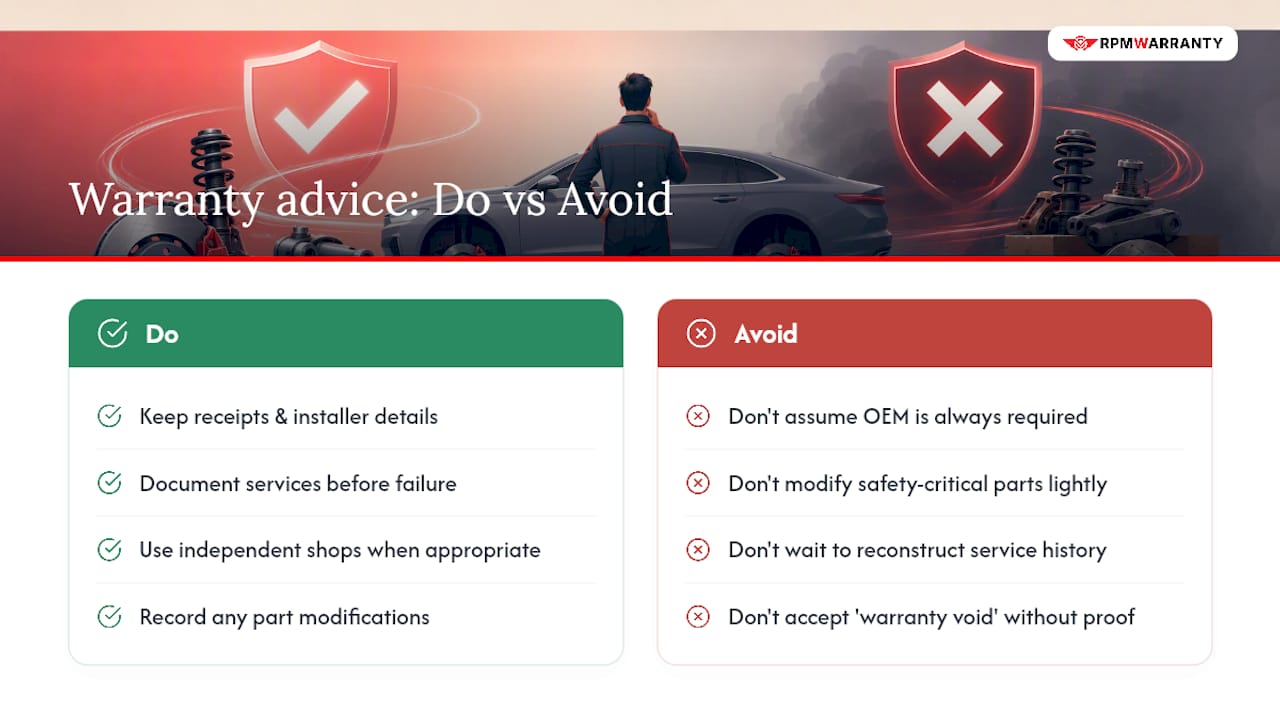
Your federal protections are real and specific: a manufacturer can't wave away your warranty because you used an independent shop for an oil change. But that protection isn't a blank check. If you're modifying a fuel system or swapping in a non-OEM part on a safety-critical component, you're handing the manufacturer an easier causation argument, and the paperwork burden shifts back toward you in practice even if not in law.
The overrated advice: "always use OEM parts or you'll void your warranty." That's not how the law works, and repeating it mostly benefits dealers who profit from OEM parts sales. The underrated advice: build your documentation habit before you need it, not after a part fails. Owners who keep a simple folder of receipts and installer information win disputes faster than owners who scramble to reconstruct a service history after a denial letter arrives. Start there. Everything else about warranty enforcement follows from whether you can prove what happened and when.
— Kenneth