
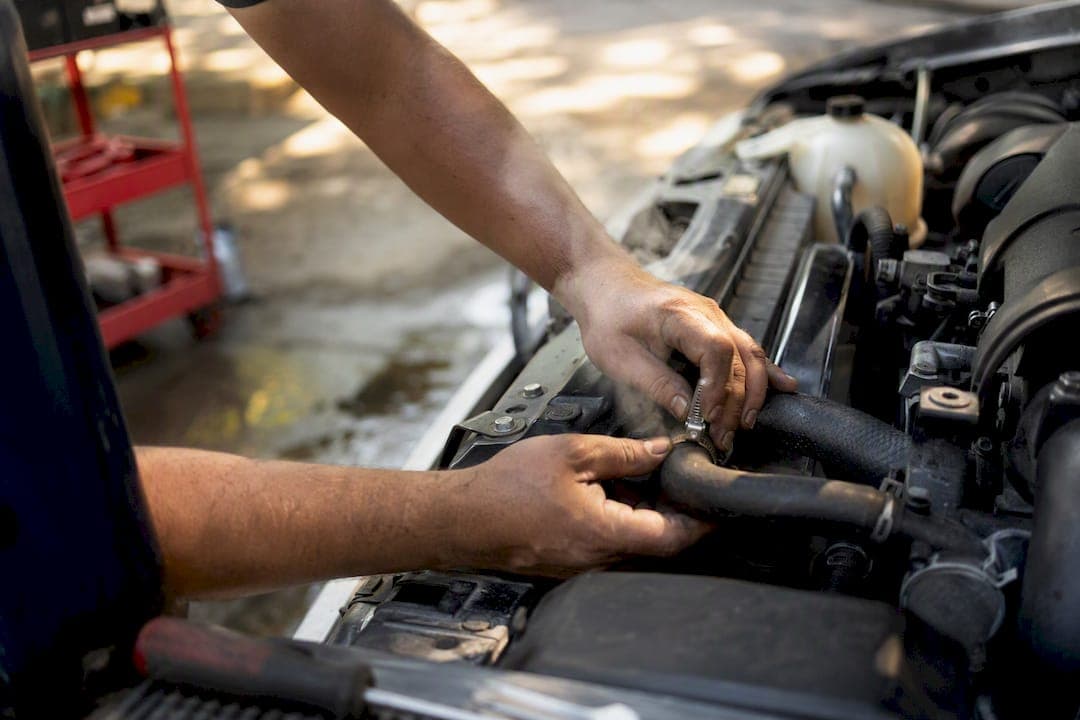
Overheating engine warranty coverage usually comes down to two things: what your contract says about cause, and what evidence you can produce. If the failure traces back to a covered internal part or a manufacturing defect, most powertrain and extended plans pay. If an adjuster can show neglect, a warning light you ignored, or an excluded part, like a radiator hose, the claim often gets denied.
Check two things the moment you suspect overheating damage: your contract type (inclusionary versus exclusionary, powertrain versus bumper-to-bumper) and whatever evidence exists about the cause. Then act fast.
- Stop driving the moment you see a temperature spike or steam.
- Photograph the engine bay, coolant reservoir, and any visible leaks before towing.
- Keep every tow and repair receipt, even from the diagnostic visit.
- Pull your maintenance records together before you call the claims line.
Pro Tip: Take timestamped photos before a shop touches anything. A picture of a bone-dry coolant reservoir taken the day of the breakdown carries more weight in an appeal than a written description added weeks later.
Table of Contents
- How Warranty Types Typically Treat Cooling-System and Engine Components
- Common Reasons Overheating Claims Are Denied
- Evidence and Documentation Checklist to Strengthen a Claim
- How Maintenance, Mileage, and Vehicle Age Change Claim Odds
- If Your Overheating Claim Is Denied: A Step-by-Step Appeal and Escalation Checklist
- How a Tailored Extended Warranty Plan Can Protect You From Overheating Repair Bills
- The Real Lesson Buried in Most Overheating Denials
- Get Coverage Before the Next Warning Light
- Frequently Asked Questions
- Sources
How Warranty Types Typically Treat Cooling-System and Engine Components
Not all warranties treat a blown head gasket the same way, and the difference usually lives in the contract's structure rather than the brand name on the plan.
- Bumper-to-bumper (limited or basic factory coverage) typically covers almost everything for a short window, often three years or 36,000 miles, including radiators, hoses, and belts. Once that window closes, cooling-system parts frequently drop out first.
- Powertrain warranties focus on the engine's internal working parts. They often cover the water pump and head gasket because those parts sit inside the engine's operation, but many contracts specifically carve out overheating as a listed cause, according to LegalClarity's breakdown of engine warranty exclusions.
- Certified pre-owned programs generally mirror the factory powertrain terms but add inspection requirements at enrollment, which can work in your favor if a defect was documented at purchase.
- Third-party vehicle service contracts vary the most. Some list covered parts explicitly (inclusionary), others cover everything except a stated exclusion list (exclusionary).
The quickest way to check your own contract: search for the word "exclusions." If cooling components appear on that list, you have an exclusionary contract and need to prove the failure came from a listed peril. If the contract instead lists covered parts and cooling components appear there, you're in better shape from the start.
Common Reasons Overheating Claims Are Denied
Most denials fall into a handful of predictable patterns, and knowing them ahead of time lets you head off a fight before it starts.
- No maintenance record. Adjusters look for proof of coolant flushes and oil changes. Missing receipts are one of the most frequent reasons warranty providers cite when denying a claim, according to Minit-Tune's guide on what voids a car warranty.
- Continued driving after a warning light. If you kept driving after the temperature gauge spiked, an adjuster can argue the resulting damage is "consequential," meaning it stemmed from your decision rather than a covered defect.
- Aftermarket parts or fluids. A non-OEM thermostat or an off-brand coolant sometimes gets blamed, but under the Magnuson-Moss Warranty Act, a provider generally has to prove the aftermarket part actually caused the failure before denying coverage on that basis alone, per LegalClarity's analysis.
- Standalone gasket and seal exclusions. Some contracts list gaskets and seals separately from "internal engine parts," which lets a provider deny a head gasket claim even when the rest of the engine is covered.
Adjusters specifically look for warping or melted components as physical evidence of continued operation past the point of a warning, a detail Precision Automotive highlights when explaining how consequential damage arguments get built.
Evidence and Documentation Checklist to Strengthen a Claim
The strength of an overheating claim usually rides on what you can hand the adjuster, not on what you tell them over the phone.
- Pressure test the cooling system to confirm whether a leak exists and where.
- Run a compression or leak-down test on the engine to document cylinder health objectively.
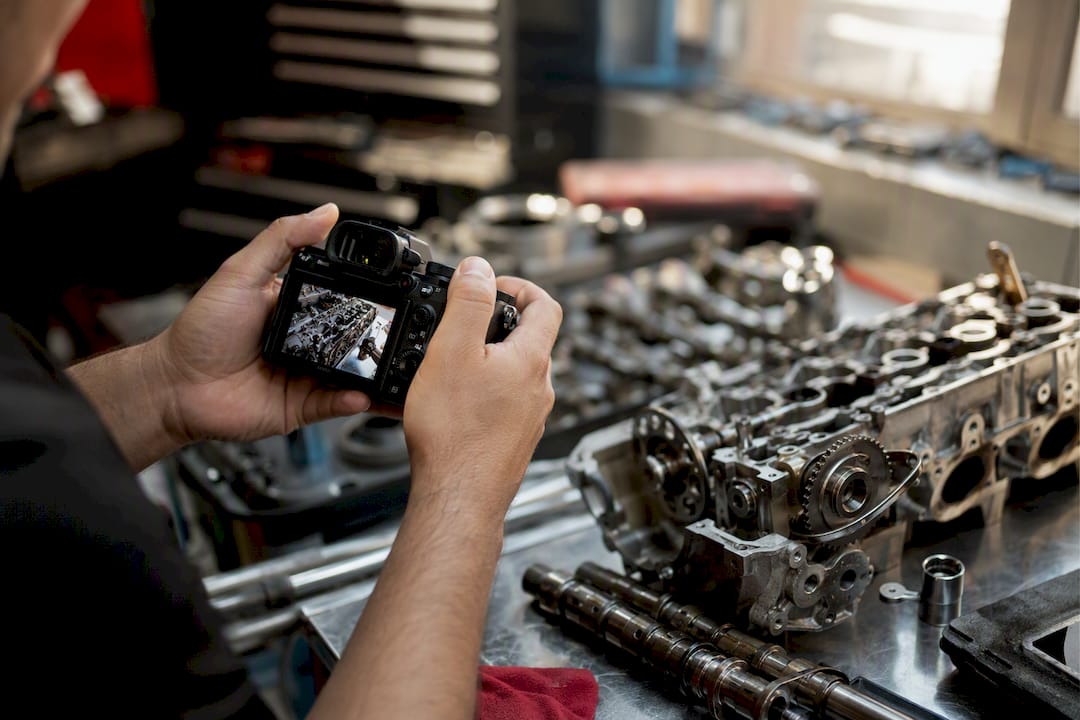
- Photograph the affected parts before disassembly, and again during teardown if the shop allows it.
- Gather every maintenance receipt, including coolant flushes, oil changes, and prior repair orders tied to the cooling system.
- Request the OEM service schedule for your specific make and model so you can show you followed it.
- Ask for a written inspection or teardown report from whichever shop diagnoses the failure. This report becomes the backbone of your claim file.
A Range Rover with a failed water pump, a BMW with a cracked plastic coolant expansion tank, and a Mercedes with a clogged auxiliary cooling fan all get evaluated the same way: parts, timeline, and proof. European luxury vehicles tend to run more plastic cooling components than domestic trucks, and those parts fail predictably around 60,000 to 90,000 miles, which is exactly why documentation matters more on these vehicles, not less.
Pro Tip: If the shop's estimate is your only paperwork, ask for a second opinion from an independent mechanic before you file. An independent teardown report can shift a denial into an approval because it supplies objective proof of when and how the failure happened.
How Maintenance, Mileage, and Vehicle Age Change Claim Odds
Following the OEM maintenance schedule, especially coolant flushes on the manufacturer's recommended interval, is often the single biggest factor separating an approved claim from a denied one. Porsche and Mercedes both specify coolant service intervals shorter than many owners assume, and skipping even one flush can hand an adjuster a reason to deny.
Factory powertrain coverage typically runs five years or 60,000 miles, sometimes longer on certified pre-owned programs. Extended or aftermarket plans usually start once that factory window closes and run on their own mileage bands, often capping around 100,000 to 150,000 miles depending on the tier purchased.
- Pull over immediately at the first temperature warning, every time.
- Log every service visit, even routine ones, in one folder.
- Keep OEM parts in cooling-system repairs whenever the budget allows.
- Renew or verify coverage before hitting a mileage threshold, not after.
If Your Overheating Claim Is Denied: A Step-by-Step Appeal and Escalation Checklist
A denial letter is rarely the end of the conversation. It's the start of a paper trail you need to build correctly.
- Demand a written denial that cites the specific contract clause or exclusion used to deny the claim, not just a verbal explanation.
- Request the inspection or teardown report the adjuster relied on, including any photos.
- Get a second, independent inspection if the shop's findings seem inconsistent with your maintenance history.
- Assemble an appeal packet combining your maintenance receipts, the independent inspection, and diagnostic results like a compression test.
- File the appeal in writing and keep a copy of everything submitted, along with dates.
- Escalate to your state insurance regulator if the internal appeal stalls, since service contracts fall under state oversight in most cases.
- Preserve the failed parts. Don't let the shop scrap the water pump or head gasket until the dispute resolves. Some consumer complaints, like the one detailed in a Justia consumer legal Q&A on a denied engine replacement, hinge entirely on whether the physical parts were still available for review.
Pro Tip: Ask the provider outright which exclusion clause was applied and what evidence supports it. Regulators in several states, including California's Department of Insurance, expect providers to produce this on request, and a provider that stalls on a simple documentation request is telling you something.
How a Tailored Extended Warranty Plan Can Protect You From Overheating Repair Bills
Once factory coverage runs out, a Rpmwarranty plan fills the gap with tiers built around how much cooling and engine protection you actually need. The Elite plan covers the broadest list of components, including cooling system parts like the water pump, radiator, and thermostat alongside major engine internals. Advanced narrows that scope to core drivetrain and cooling parts most likely to fail on higher-mileage vehicles. Essential focuses on the powertrain basics for owners who want a lower monthly cost.
- Nationwide network of ASE-certified mechanics handles repairs, including complex jobs on Range Rover, BMW, and Porsche cooling systems.
- Roadside assistance and rental reimbursement cover you while a covered overheating repair is underway.
- Claims process runs through the same documentation habits covered above: maintenance records and inspection reports.
Have your vehicle's year, make, model, and mileage ready, then request a free quote to see which tier fits your situation.
| Point | Details |
|---|---|
| Coverage depends on cause | Overheating damage is typically covered when it stems from a covered internal part, not neglect. |
| Contract language decides scope | Inclusionary contracts list covered parts; exclusionary contracts list what's excluded, including sometimes gaskets and seals. |
| Documentation wins disputes | Maintenance receipts, teardown photos, and inspection reports carry more weight than a phone call. |
| Denials are appealable | Demand the written exclusion clause and inspection report, then escalate to a state regulator if needed. |
| Rpmwarranty fills the coverage gap | Elite, Advanced, and Essential plans offer tiered cooling and engine protection once factory coverage ends. |
The Real Lesson Buried in Most Overheating Denials
Most advice on overheating claims focuses on the mechanical cause: what part failed, why it failed. That's the wrong starting point. The contracts we've reviewed here show the outcome usually hinges on paperwork discipline long before any adjuster looks at a water pump.
Owners who keep a boring, dated folder of coolant flushes and oil changes rarely get denied on maintenance grounds, even when the underlying part failure is genuinely their bad luck. Owners who can't produce that folder get denied even when the part failure was clearly a manufacturing issue. That imbalance is unfair, but it's how the system works, and no amount of arguing about engineering will change it after the fact.
If your vehicle is still under factory coverage, your best move is simple: keep every receipt and stop driving at the first warning. If it's not, a tailored plan built for your specific mileage and vehicle type is the more sensible route than hoping a used-parts warranty on Craigslist will hold up. Buy the coverage before you need it, not after the gauge spikes.
Get Coverage Before the Next Warning Light
Rpmwarranty gets you tailored engine and cooling-system protection without the guesswork of piecing together aftermarket parts coverage on your own. Unlike shopping for individual component warranties or hoping a factory extension applies to your specific make, one plan from Rpmwarranty bundles engine, cooling system, roadside assistance, and rental reimbursement into a single contract customized to your vehicle's year, make, and model.
That matters most for owners running higher-mileage European models like a BMW, Mercedes, or Range Rover, where cooling-system parts run more expensive and tend to fail with vehicle age, making documentation especially important after factory coverage lapses. Rpmwarranty's nationwide network of ASE-certified mechanics means you're not stuck finding a specialist shop mid-breakdown, and the claims process is built around the same documentation standards covered above, so a well-kept maintenance file works in your favor from day one. Have your vehicle's mileage and service history handy, then get a free quote to see which plan tier covers your cooling system.
Frequently Asked Questions
Does an extended warranty cover a blown head gasket from overheating? It depends on your contract. If gaskets and seals are listed as a standalone exclusion, a head gasket claim can be denied even when the rest of the engine is covered. Check your contract's exclusions list before assuming coverage.
What voids engine warranty coverage after overheating? Continued driving after a warning light, missing maintenance records, and unproven aftermarket modifications are the most common reasons providers cite when denying overheating engine repairs.
Can a manufacturer recall or technical service bulletin help with an overheating claim? Yes. Some manufacturers issue special coverage programs for known cooling-system defects. Checking for a relevant technical service bulletin tied to your make and model is worth doing before you accept a denial.
How long does factory powertrain coverage last for overheating damage? Factory powertrain coverage commonly runs five years or 60,000 miles, though the exact window varies by manufacturer and whether the vehicle came from a certified pre-owned program.
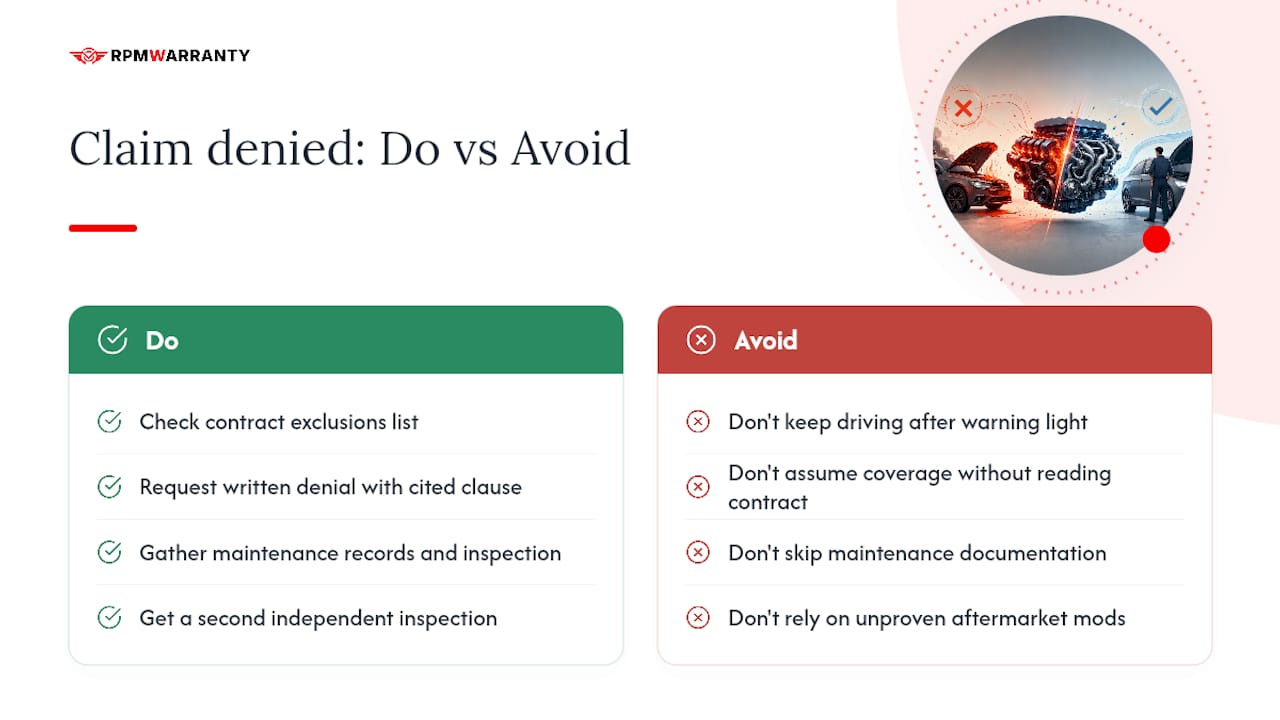
What should I do first if my warranty claim for overheating damage gets denied? Request the written denial with the specific exclusion clause cited, gather your maintenance records and any inspection report, and consider a second independent inspection before filing a formal appeal.