
TL;DR:
- Post-warranty vehicle care involves scheduled maintenance and diagnostics to prevent costly repairs and extend vehicle lifespan. Owners should follow specific service intervals, track repairs, and set aside savings for unexpected costs, applying the 50% rule for major repairs. Using recalls, TSBs, and regular diagnostics optimizes repairs and helps maintain vehicle value beyond the factory warranty period.
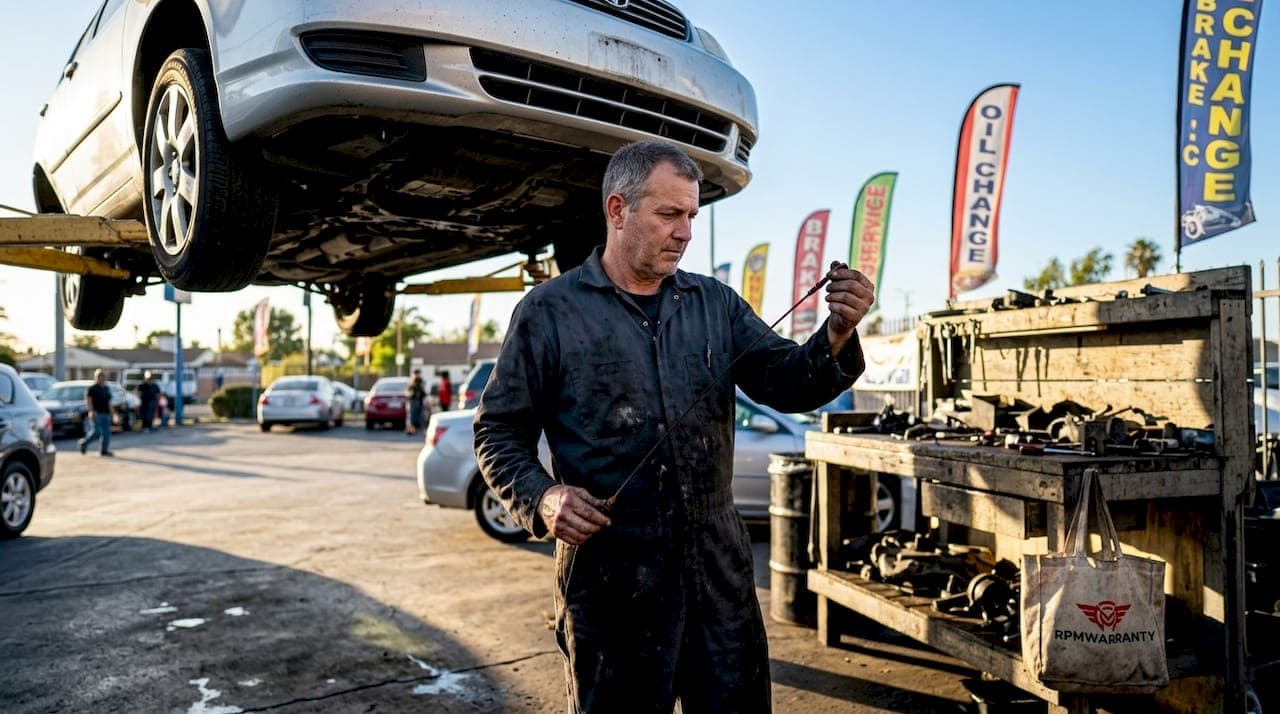
Post-warranty vehicle care is the practice of maintaining and repairing your car after the factory warranty expires, with the goal of preventing costly breakdowns and extending your vehicle's service life. Once that coverage ends, typically after three to five years or a set mileage threshold, every repair bill lands directly in your pocket. The average annual cost for routine maintenance and unscheduled repairs reached $936 in 2026, and that figure climbs sharply for luxury makes like BMW, Mercedes-Benz, and Range Rover. This guide to post-warranty vehicle care gives you a clear, practical framework for staying ahead of repairs, managing costs, and making smart decisions about your vehicle's future.
What are the critical maintenance tasks after your vehicle warranty ends?
Routine inspections and maintenance are the single most effective way to preserve your vehicle's reliability and resale value once the factory warranty expires. Skipping them does not save money. It shifts smaller, predictable costs into larger, unpredictable ones.
Oil changes and fluid maintenance
Oil changes remain the foundation of any post-warranty car maintenance plan. Most manufacturers recommend intervals of 5,000–7,500 miles for conventional oil and 7,500–10,000 miles for full synthetic. BMW and Mercedes-Benz vehicles with their Flexible Service System or ASSYST Plus monitors often stretch intervals to 10,000 miles, but older examples of these cars benefit from more frequent changes to compensate for engine wear. Transmission fluid deserves equal attention. Changing transmission fluid every 50,000–60,000 miles is critical, regardless of any "lifetime fluid" marketing language, because degraded fluid causes catastrophic gear damage in aging vehicles.
Brake, tire, and cooling system checks
Brake inspections should happen at every oil change. Pad thickness below 3mm signals immediate replacement. Tire rotations every 5,000–7,500 miles even out wear patterns and extend tire life by thousands of miles. Porsche and Range Rover owners should note that these vehicles use larger, performance-spec brake components that cost significantly more to replace than standard parts, making early detection even more valuable. Coolant flushes every 30,000 miles prevent corrosion inside the radiator and water pump, two repairs that cost $500–$1,500 when they fail on a neglected vehicle.

Recommended service intervals at a glance
| Service | Interval | Notes for luxury makes |
|---|---|---|
| Oil change | 5,000–10,000 miles | BMW/Mercedes: follow onboard monitor |
| Transmission fluid | 50,000–60,000 miles | Critical for older automatics |
| Brake inspection | Every oil change | Porsche/Range Rover: check pad sensors |
| Tire rotation | 5,000–7,500 miles | Staggered fitments may not rotate |
| Coolant flush | Every 30,000 miles | Use OEM-spec coolant for European makes |
| Cabin/engine air filter | 15,000–30,000 miles | More frequent in dusty climates |
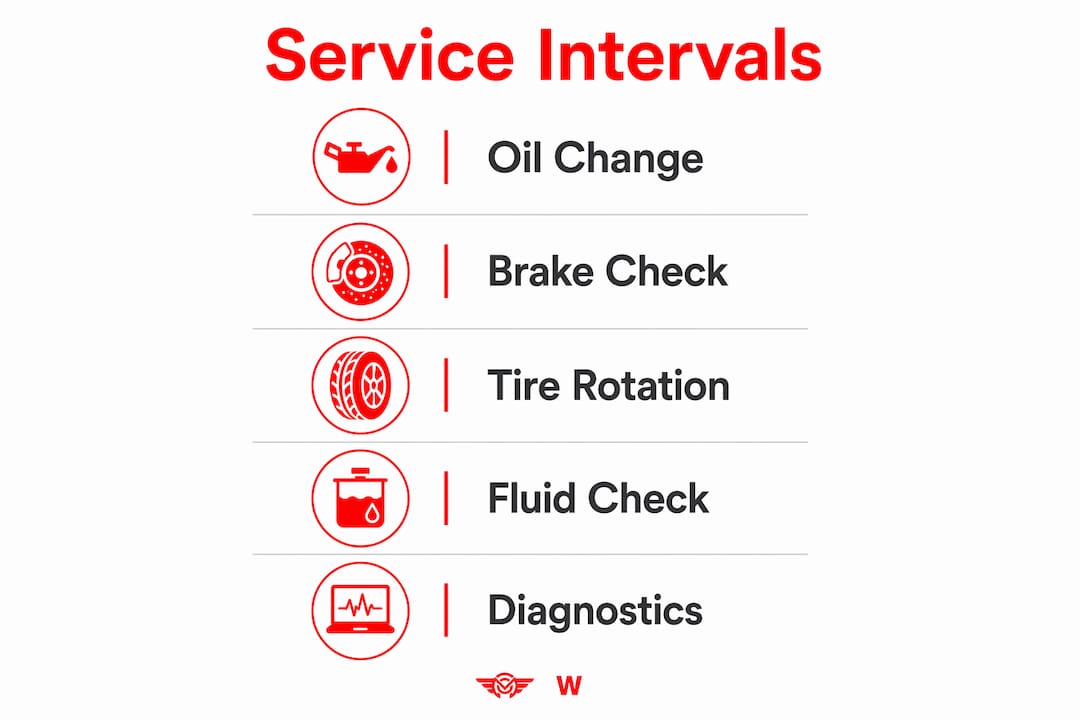
Older vehicles also require a shift to a severe-duty service schedule because normal driving conditions accelerate wear on critical systems once a car passes the 75,000-mile mark. This means shorter intervals across the board, not just for oil.
Pro Tip: Keep a physical or digital maintenance log for every service. A documented history strengthens any future goodwill repair request with the manufacturer and supports a higher resale price.
How to manage and budget for repairs once your warranty has expired
Repair costs have risen 43.6% from 2019 to 2025 due to supply chain disruptions, labor shortages, and increasing vehicle complexity. That trend shows no sign of reversing. Budgeting for post-warranty repairs is not optional. It is the difference between a manageable expense and a financial emergency.
The 50% rule for repair decisions
The most widely used benchmark in the industry is the 50% rule. When a repair estimate exceeds 50% of your vehicle's current market value, replacement becomes the stronger option. A Honda Accord worth $8,000 with a $5,000 transmission repair is a candidate for replacement. A BMW 5 Series worth $22,000 with the same repair is worth fixing. Apply this rule before authorizing any major work, and always get the vehicle's current value from a trusted pricing source before deciding.
Setting up a car savings account
The most practical budgeting tool for vehicle upkeep after warranty is a dedicated savings account. Set aside a fixed amount each month, calibrated to your vehicle's age and make. A Ford F-150 owner might budget $150 per month. A Mercedes-Benz GLE owner should budget closer to $300 per month, given higher parts and labor costs for European vehicles. This fund absorbs the shock of unexpected repairs without forcing you into high-interest financing.
- Track every repair: Log the date, mileage, shop, and cost for every service visit.
- Prioritize safety repairs: Brakes, tires, and steering components come before cosmetic or comfort fixes.
- Use independent shops: A qualified independent mechanic typically charges 20–40% less than a dealership for the same work on out-of-warranty vehicles.
- Consider remanufactured parts: Remanufactured alternators, starters, and brake calipers carry warranties and cost significantly less than new OEM parts.
Repair cost categories and cost-saving approaches
| Repair category | Typical cost range | Cost-saving approach |
|---|---|---|
| Engine repair | $1,500–$8,000+ | Get three quotes; consider remanufactured engines |
| Transmission service | $300–$3,500 | Independent specialist; remanufactured units |
| Brake system | $200–$1,200 | Independent shop; aftermarket pads and rotors |
| Electrical/sensors | $150–$1,500 | OBD2 scan first to confirm diagnosis |
| Cooling system | $200–$1,500 | Flush on schedule to avoid full replacement |
Pro Tip: An out-of-warranty repair strategy should always be benchmarked against the cost of a comparable replacement vehicle. If repairs keep your total annual cost below a monthly car payment, staying with your current vehicle is almost always the better financial choice.
What strategies help you handle out-of-warranty repairs smartly?
A structured approach to out-of-warranty repairs saves money and prevents you from paying for problems the manufacturer already knows about. The repair hierarchy below applies to any vehicle, from a Ford Mustang to a Porsche Cayenne.
Check recalls and Technical Service Bulletins first
Before authorizing any repair, verify your vehicle's recall status through the National Highway Traffic Safety Administration (NHTSA) database. Recalls are free repairs, regardless of warranty status. Beyond recalls, Technical Service Bulletins (TSBs) document recurring engineering problems that manufacturers have identified and addressed. A TSB for your specific issue gives you documented leverage when requesting a goodwill adjustment or a discounted repair from the dealer.
How to request a goodwill repair
Manufacturers may provide goodwill adjustments on post-warranty repairs when the failure occurred prematurely and the owner has a strong service history. The process works as follows:
- Gather your complete service records showing consistent, on-schedule maintenance.
- Contact the manufacturer's customer relations line directly, not just the dealership service desk.
- Reference the specific TSB number if one exists for your issue.
- Request a case number and follow up in writing.
- Get independent repair quotes to use as negotiating context.
- Ask the dealer service manager to co-advocate with the manufacturer on your behalf.
"Goodwill repairs are not charity. They are a manufacturer's calculated investment in retaining a customer. A well-documented service history and a politely persistent owner recover thousands of dollars in repair costs every year on vehicles that are just past warranty expiration."
Pro Tip: Luxury brand owners, particularly those with BMW, Mercedes-Benz, and Range Rover vehicles, should contact the brand's regional customer experience team rather than the general customer service line. Regional representatives have more authority to approve goodwill claims.
How do advanced diagnostics and technology aid ongoing vehicle care?
The average cost to fix a check engine light issue reached $554 in 2026, a 33% increase from the prior year. That number reflects what happens when owners ignore warning signals. Catching the same issue at the sensor level, before it cascades into component failure, costs a fraction of that amount.
OBD2 diagnostics and vehicle health monitoring
Every vehicle built after 1996 has an OBD2 port, typically located under the dashboard on the driver's side. A basic OBD2 scanner costs $30–$100 and reads fault codes in seconds. More advanced tools like CarMD Connect provide repair cost estimates alongside the fault code, so you know what you are facing before you walk into a shop. Addressing small issues early dramatically reduces fuel economy losses and prevents downstream repair expenses.
Tech-assisted practices for aging vehicles
- Scan your OBD2 port every 3,000 miles or whenever a warning light appears, even if the car seems to drive normally.
- Monitor tire pressure with a TPMS reader rather than relying solely on the dashboard warning, which only triggers at significant pressure loss.
- Use a battery tester annually on vehicles over five years old. A failing battery causes false electrical fault codes on BMW and Mercedes-Benz vehicles, leading to expensive misdiagnoses.
- Check for software updates on vehicles with advanced driver assistance systems (ADAS). Honda, Ford, and Porsche all release over-the-air or dealer-applied software updates that fix sensor calibration issues and improve system reliability.
- Document every fault code even after clearing it. Recurring codes on the same system indicate a developing failure, not a one-time glitch.
Pro Tip: For luxury vehicles with multiple electronic control units, a professional-grade scan tool reads manufacturer-specific codes that a generic OBD2 reader misses. Many independent shops offer a diagnostic scan for $50–$100, which is money well spent before any major repair authorization.
Key Takeaways
Proactive post-warranty vehicle care, built on scheduled maintenance, early diagnostics, and smart repair decisions, is the most cost-effective way to extend your vehicle's life and avoid financial surprises.
| Point | Details |
|---|---|
| Follow a severe-duty schedule | Vehicles past 75,000 miles need shorter service intervals across all fluid and wear items. |
| Apply the 50% rule | Decline repairs that exceed half the vehicle's current market value and consider replacement instead. |
| Check recalls and TSBs first | NHTSA recalls are free; TSBs give you leverage for goodwill repair negotiations with the manufacturer. |
| Scan OBD2 codes regularly | Early fault detection costs far less than repairing the component failure that follows an ignored warning. |
| Build a dedicated repair fund | Monthly contributions to a car savings account prevent high-interest debt when major repairs arrive. |
What I've learned from years of watching post-warranty repairs go wrong
Most vehicle owners treat the warranty expiration date like a cliff. Before it, they follow every service reminder. After it, they start skipping intervals and hoping for the best. That mindset is the single biggest driver of expensive, avoidable repairs.
The owners I have seen manage aging vehicles best share one habit: they treat maintenance as a fixed monthly expense, not a surprise. They know their BMW 3 Series or Ford Explorer has a predictable set of wear items, and they budget for them the same way they budget for insurance. When something does go wrong, they do not panic. They check for recalls, pull the TSB list, and call the manufacturer before they authorize a single dollar of work.
The emotional side of this decision gets underestimated. A car with 120,000 miles on it can feel like a liability, but a paid-off vehicle with a solid service history is almost always cheaper to maintain than a new monthly payment. The math favors repair in most cases, especially for owners of well-built vehicles like the Honda Accord, Porsche Macan, or Mercedes-Benz C-Class, where the drivetrains are engineered to last well beyond 150,000 miles with proper care.
The one thing I would tell every post-warranty vehicle owner: find a mechanic you trust before you need one urgently. A trusted independent specialist, particularly one who focuses on your vehicle's make, is worth more than any app or diagnostic tool. That relationship pays dividends every time a major repair decision lands on your plate.
— Kenneth
How Rpmwarranty protects you when the factory coverage ends
When your factory warranty expires, repair costs become entirely your responsibility. That financial exposure grows with every mile and every year your vehicle ages.
Rpmwarranty offers extended vehicle protection plans designed specifically for this gap. The Elite, Advanced, and Essential plans cover engines, transmissions, cooling systems, electrical systems, and high-tech components, with nationwide coverage and roadside assistance included. The process is straightforward: consultation, plan selection, customization, and final agreement. Whether you drive a Ford, Honda, BMW, or a specialty vehicle, Rpmwarranty tailors coverage to your specific year, make, and model. Get a free quote today and know exactly what your next repair could cost you before it happens.
FAQ
What does post-warranty vehicle care include?
Post-warranty vehicle care includes all scheduled maintenance and unscheduled repairs your vehicle needs after the factory warranty expires. This covers oil changes, fluid replacements, brake inspections, tire rotations, and diagnostic checks.
How much should I budget for car repairs after the warranty ends?
The average American driver spends approximately $936 per year on routine maintenance and unscheduled repairs in 2026. Luxury vehicle owners should budget significantly more due to higher parts and labor costs.
When should I replace my car instead of repairing it?
Replace your vehicle when a repair estimate exceeds 50% of its current market value. Safety-critical repairs, such as brakes and steering, are the exception and should be addressed regardless of cost.
What is a Technical Service Bulletin and how does it help me?
A Technical Service Bulletin (TSB) is an official document from the manufacturer identifying a known engineering flaw and its fix. Referencing a TSB when requesting a repair gives you documented leverage to negotiate a goodwill adjustment or discount from the dealer.
How often should I run an OBD2 diagnostic scan on my vehicle?
Run an OBD2 scan every 3,000 miles or immediately when any warning light appears. Early detection of fault codes prevents minor sensor issues from becoming major component failures.