

TL;DR:
- A powertrain warranty guarantees coverage for the engine, transmission, and drivetrain parts against defects. It usually lasts five years or 60,000 miles, sometimes longer for brands like Hyundai and Kia. Proper maintenance and understanding the coverage terms are essential to avoid unexpected repair costs.
A powertrain warranty is a manufacturer-backed guarantee that covers the engine, transmission, and drivetrain components of your vehicle against defects in materials or workmanship. Most mainstream brands provide 5 years or 60,000 miles of powertrain coverage, while brands like Hyundai and Kia extend that to 10 years or 100,000 miles. That gap matters because powertrain repairs rank among the most expensive a vehicle owner can face. Rebuilding a transmission or replacing an engine can cost several thousand dollars out of pocket. Understanding your powertrain warranty before you need it is the difference between a manageable repair and a financial shock.
What does a powertrain warranty cover?
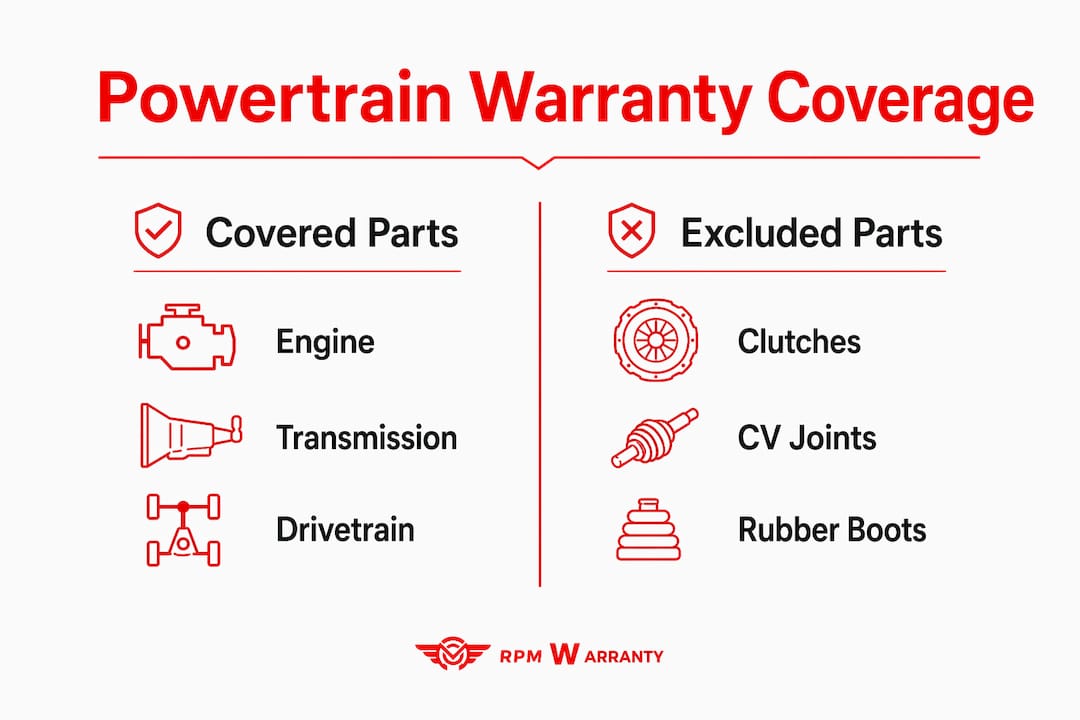
A powertrain warranty covers the mechanical systems that move your vehicle. That means the engine, transmission, and drivetrain components are all included. These are the parts that convert fuel into motion and deliver that motion to the wheels.
Engine components
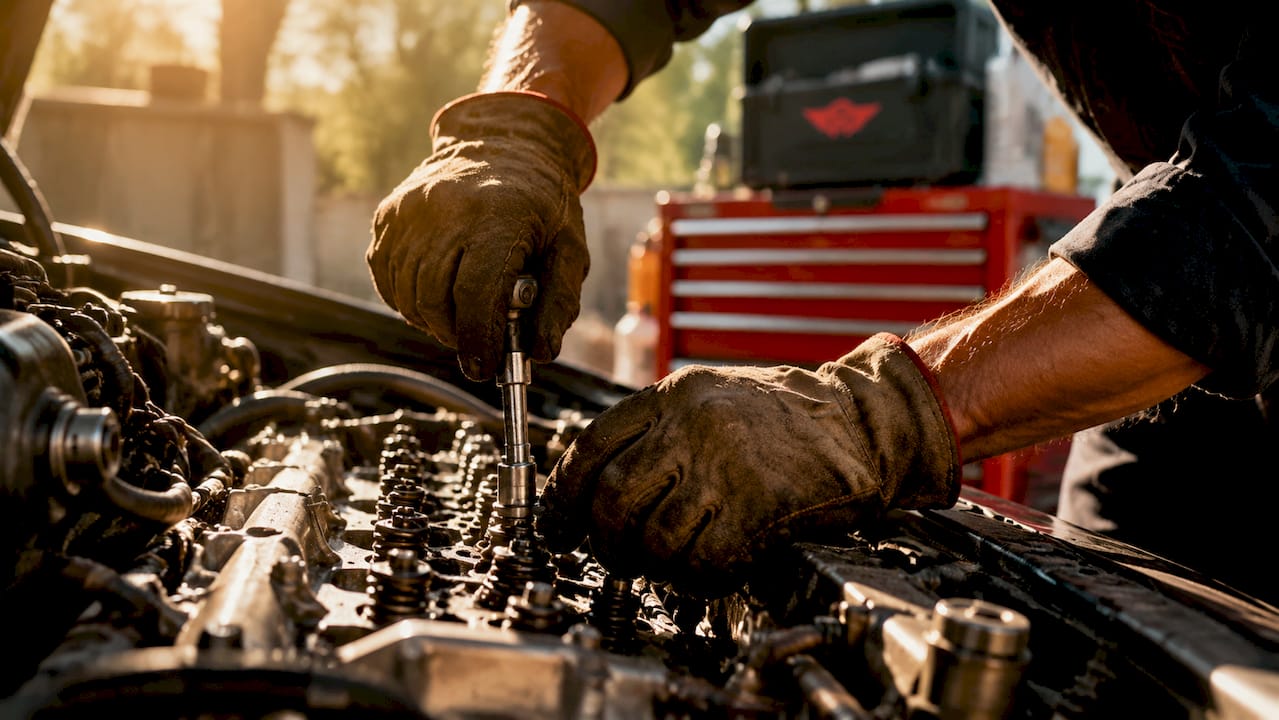
The engine coverage typically includes internal parts like pistons, crankshafts, camshafts, cylinder heads, and the engine block itself. Seals and gaskets that keep fluids contained within these assemblies are also covered. If a piston cracks or a camshaft bearing fails due to a manufacturing defect, the powertrain warranty pays for the repair.
Transmission and drivetrain parts
Transmission coverage includes both automatic and manual gearboxes, along with the internal gears, shafts, and torque converters. Drivetrain coverage extends to driveshafts, axles, and differentials. On all-wheel-drive vehicles like a BMW X5 or a Range Rover Sport, the transfer case is also included because it distributes power between the front and rear axles.
What powertrain coverage does not include
Wear and tear parts like clutches, CV joints, and rubber boots are excluded from powertrain coverage. These components are expected to degrade with normal use. Brake pads, filters, belts, and fluids are also excluded. Damage caused by accidents, floods, or improper maintenance falls outside the warranty's scope entirely.
How powertrain coverage compares to bumper-to-bumper
The distinction between these two warranty types is one of the most misunderstood in automotive ownership. A bumper-to-bumper warranty covers nearly every component of the vehicle except wear items, but it expires sooner. Most factory bumper-to-bumper warranties last 3 years or 36,000 miles. The powertrain warranty then continues as the primary protection layer after that expiration.
| Warranty Type | Typical Duration | What It Covers |
|---|---|---|
| Bumper-to-bumper | 3 years / 36,000 miles | Nearly all components except wear items |
| Powertrain | 5 years / 60,000 miles | Engine, transmission, drivetrain |
| Extended (Hyundai/Kia) | 10 years / 100,000 miles | Powertrain components |
| Luxury consolidated | ~4 years / 50,000 miles | Combined single coverage package |
Luxury brands like Mercedes-Benz, Porsche, and BMW often consolidate coverage into a single bumper-to-bumper package lasting roughly 4 years or 50,000 miles. That structure means there is no separate, longer powertrain phase. Once the single warranty expires, you have no factory coverage remaining. That is a meaningful distinction for owners of high-end vehicles who assume they have more protection than they actually do.
How long does a powertrain warranty last?
Standard powertrain coverage runs for 5 years or 60,000 miles, whichever comes first. That "whichever comes first" clause catches many vehicle owners off guard. A driver who puts 20,000 miles per year on a Honda Pilot will exhaust the mileage limit in three years, well before the five-year clock runs out.
When the warranty clock starts
The warranty clock starts on the vehicle's in-service date, which is the day the original owner first drives it or the day a dealer uses it as a demonstrator. The manufacture date does not control the timeline. A vehicle that sat on a dealer lot for eight months before you bought it has already burned through eight months of coverage. Always ask for the in-service date before you sign a purchase agreement.
Brands that offer longer coverage
Hyundai and Kia stand out with 10-year or 100,000-mile powertrain warranties for original owners. Ford offers 5 years or 60,000 miles on most models. Honda aligns with the industry standard as well. These longer terms signal manufacturer confidence in the powertrain's durability and give owners a longer window of protection.
The end of lifetime warranties
Lifetime powertrain warranties have largely disappeared from the market. Chrysler once offered a lifetime powertrain warranty, but it applied only to the original owner and was discontinued after three years. The lesson is clear: treat any "lifetime" warranty claim with skepticism and read the fine print before it influences a purchase decision.
Pro Tip: Request the vehicle's in-service date from the dealer before purchase. That single date determines how much factory coverage you actually have left, and it can shift your negotiating position significantly.
How ownership changes affect your powertrain warranty
Buying a used vehicle does not automatically mean you inherit the full remaining powertrain warranty. Ownership changes often reduce the duration of coverage or void it entirely, depending on the manufacturer's terms.
Some manufacturers cut the powertrain coverage period in half for second owners. Others void the warranty completely if the vehicle was sold within the first six months of ownership. High-performance vehicles, like a Porsche 911 or a BMW M3, frequently carry stricter transfer rules because manufacturers assume more aggressive use by subsequent owners.
Certified pre-owned programs
CPO programs offer a meaningful alternative for used vehicle buyers. These manufacturer-backed programs add warranty coverage that begins after the original factory warranty expires or supplements remaining coverage. A certified pre-owned Range Rover or Mercedes-Benz, for example, may come with an additional year or more of powertrain protection that a standard used vehicle would not have. CPO coverage is not universal, and the terms vary significantly by brand.
Common exclusions that void coverage
- Neglected or undocumented maintenance services
- Unauthorized modifications to the engine, transmission, or drivetrain
- Damage from accidents, floods, or off-road use beyond the vehicle's design limits
- Use of non-approved fluids or parts during repairs
- Racing or track use, even occasional participation
Pro Tip: Keep every oil change receipt, transmission service record, and dealer visit log. Warranty claims require proof of regular maintenance. Skipped or undocumented services can void coverage even when the failed part is clearly listed as covered.
How to maximize your powertrain warranty benefits
Getting the most from your powertrain coverage requires more than just owning the vehicle during the warranty period. You need to actively protect your eligibility and know how to use the coverage when a problem arises.
-
Follow the manufacturer's maintenance schedule exactly. Every vehicle comes with a recommended service interval for oil changes, transmission fluid, and coolant flushes. Deviating from that schedule gives the manufacturer grounds to deny a claim. A Ford F-150 owner who skips a transmission service and later files a claim for a failed torque converter may find the claim rejected.
-
Document every service visit. Use a dedicated folder, a digital app, or a spreadsheet to log every maintenance event with the date, mileage, and service performed. Dealerships keep records, but independent shops may not retain them indefinitely. Your own records are your strongest defense in a disputed claim.
-
Avoid aftermarket modifications. Installing a performance air intake, a tuning chip, or a lift kit on a vehicle like a Honda Ridgeline or a BMW 5 Series can void powertrain coverage. Manufacturers argue that modifications alter the operating conditions the powertrain was designed for. Even cosmetic changes can raise questions during a claim review.
-
Register your warranty if required. Some manufacturers require owners to register the vehicle or activate the warranty within a set number of days after purchase. Missing that window can complicate or eliminate coverage. Check the owner's manual or the manufacturer's website immediately after purchase.
-
Contact the manufacturer's customer service before authorizing repairs. If a covered component fails, call the manufacturer's warranty line before any repair work begins. Unauthorized repairs performed outside the approved network can disqualify reimbursement. Dealers in the manufacturer's network are the safest choice for warranty work.
-
Consider an extended vehicle service contract before factory coverage expires. Extended vehicle service contracts pick up where factory warranties leave off. They cover powertrain components and often include additional systems like electrical, cooling, and high-tech parts. Purchasing this coverage while the factory warranty is still active typically results in better pricing and fewer pre-existing condition exclusions.
Key Takeaways
A powertrain warranty covers the engine, transmission, and drivetrain for a defined period, and understanding its exact terms, limits, and exclusions is the most effective way to avoid unexpected repair costs.
| Point | Details |
|---|---|
| Standard coverage duration | Most brands cover 5 years or 60,000 miles; Hyundai and Kia extend to 10 years or 100,000 miles. |
| Warranty clock start date | Coverage begins on the in-service date, not the manufacture date, so always confirm this before buying. |
| Ownership transfer risks | Second owners often receive reduced or voided coverage; CPO programs can restore some protection. |
| Key exclusions | Wear items, undocumented maintenance, and unauthorized modifications are not covered under any powertrain warranty. |
| Extended protection option | Vehicle service contracts can extend powertrain coverage beyond factory limits and cover additional systems. |
What 15 years of reading warranty fine print taught me
Most vehicle owners treat a powertrain warranty like a smoke detector. They know it exists, they assume it works, and they never think about it until something goes wrong. That assumption costs people thousands of dollars every year.
The biggest mistake I see is owners of luxury vehicles assuming they have more coverage than they do. A Porsche Cayenne or a BMW X7 owner often believes the prestige of the brand comes with superior warranty protection. The reality is that luxury brands frequently consolidate everything into a single shorter package. When that package expires, there is nothing left. A mainstream Honda Accord owner with a 5-year powertrain warranty may actually have more remaining coverage than a BMW owner whose consolidated warranty ended at 4 years.
The second mistake is ignoring the in-service date. I have spoken with vehicle owners who bought a car with 8,000 miles on it and assumed they had nearly the full factory warranty remaining. They did not. The clock had been running since the original sale, and in some cases, more than a year of coverage was already gone.
The trend I watch most closely is the disappearance of lifetime warranties. Manufacturers learned quickly that unconditional lifetime coverage was financially unsustainable. What replaced it is a more complex system of tiered coverage, CPO programs, and third-party service contracts. Consumers who understand this system make better purchase decisions. Those who do not end up paying for repairs they thought were covered.
My advice is simple. Read the warranty document before you buy the vehicle, not after. Confirm the in-service date. Ask specifically about transferability if you are buying used. And if your factory coverage is within 12 months of expiring, start evaluating extended protection options now, not after the first major repair bill arrives.
— Kenneth
Protect your vehicle beyond the factory warranty
Factory powertrain coverage has a defined end. When it expires, every engine, transmission, or drivetrain repair becomes your responsibility. Rpmwarranty offers extended protection plans designed to fill that gap, covering major powertrain components and more across a nationwide network of service centers.
Rpmwarranty's Elite, Advanced, and Essential plans cover vehicles by year, make, and model, so you get coverage matched to your specific situation. Whether you drive a Ford F-150, a Range Rover, or a Honda Accord, you can get a free quote and compare plan options without any obligation. The process takes minutes and gives you a clear picture of what protection is available before your factory coverage runs out.
FAQ
What is a powertrain warranty?
A powertrain warranty is a manufacturer-backed guarantee covering the engine, transmission, and drivetrain components against defects in materials or workmanship for a set period or mileage limit.
What does a powertrain warranty cover on most vehicles?
Powertrain coverage includes engine internals, the transmission assembly, driveshafts, axles, differentials, and the seals and gaskets connecting these systems. Wear items like clutches and CV boots are excluded.
How long does a powertrain warranty last?
Most factory powertrain warranties last 5 years or 60,000 miles, whichever comes first. Hyundai and Kia offer extended terms of 10 years or 100,000 miles for original owners.
Does a powertrain warranty transfer to a new owner?
Transferability depends on the manufacturer. Some brands reduce coverage duration for second owners, and others void it entirely. CPO programs can restore some protection for used vehicle buyers.
What voids a powertrain warranty?
Skipped or undocumented maintenance, unauthorized modifications, and damage from accidents or improper use are the most common reasons a manufacturer denies a powertrain warranty claim.