
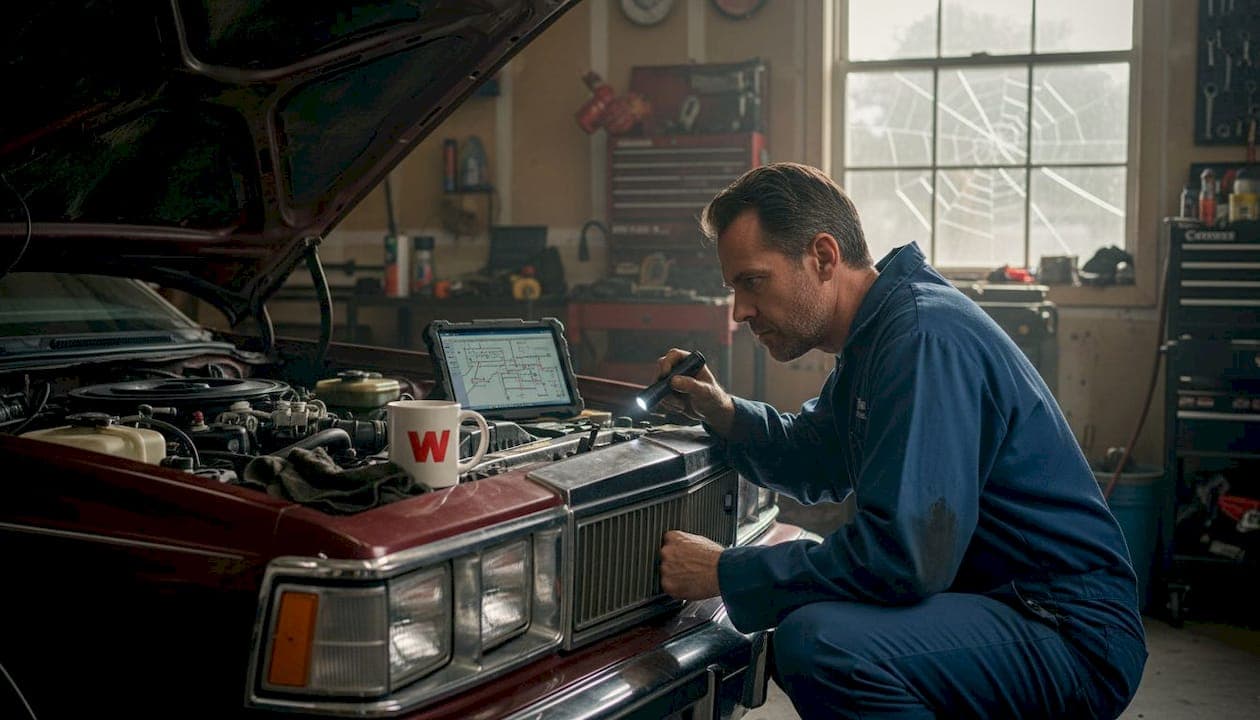
Unexpected car repairs can drain your budget and disrupt your life. When your transmission fails or your engine needs major work, costs can easily exceed $7,000. Extended warranties offer financial predictability by converting these surprise expenses into manageable monthly payments. This article outlines the key signs that indicate when extended coverage becomes a smart investment for your vehicle, helping you make an informed decision about protecting your car and your wallet.
Table of Contents
- Key Takeaways
- High mileage and wear signal a need for coverage
- Vehicle model reliability and known issues to watch for
- Financial factors and peace of mind in choosing coverage
- Optimal timing and inspection signs to buy an extended warranty
- Protect your vehicle with trusted extended warranty plans
- Frequently asked questions
Key Takeaways
| Point | Details |
|---|---|
| High mileage risk | Vehicles over 100,000 miles have higher chances of major failures such as transmissions and engines, making extended warranties financially sensible. |
| Model reliability issues | Certain brands and models have documented expensive problems such as head gasket failures or CVT failures, signaling higher warranty value. |
| Pre purchase inspections | A thorough pre purchase inspection focusing on leaks, unusual noises, and complete service history helps assess actual risk levels. |
| Purchase timing | Timing the purchase of coverage can smooth out costs and maximize protection when risks are rising. |
| Financial predictability | Extended warranties convert surprise repair bills into predictable monthly payments. |
High mileage and wear signal a need for coverage
Vehicles with mileage above 100,000 miles face significantly higher repair risks. At this threshold, major components like transmissions and engines show increased failure rates. Transmission repairs average over $4,600, while engine work can exceed $7,600. These aren't minor expenses you can ignore or postpone.
An extended warranty becomes valuable precisely when these high-cost failures become more likely. Instead of gambling on whether your aging transmission will survive another year, you gain budget certainty. You know your maximum out-of-pocket cost upfront.
Common high-mileage problems include:
- Transmission slipping or complete failure requiring rebuild or replacement
- Engine oil consumption, timing chain issues, or catastrophic internal damage
- Cooling system failures including radiator, water pump, and thermostat problems
- Electrical system malfunctions affecting sensors, modules, and wiring harnesses
Pro Tip: Even with regular maintenance, high-mileage vehicles accumulate wear that maintenance cannot fully prevent. A thorough pre-purchase inspection focusing on fluid leaks, unusual noises, and complete service history helps you assess actual risk levels.
Mechanics consistently recommend detailed inspections for vehicles approaching or exceeding 100,000 miles. According to automotive experts, "A pre-purchase inspection can reveal warning signs like missing maintenance records, fluid leaks, and odd noises that indicate elevated future repair risks." These signs don't guarantee failure, but they substantially increase the odds.
If you're considering coverage for specific brands known for longevity, explore options like the best extended warranty for Subaru or best extended warranty for Hyundai to match your vehicle's needs.
Vehicle model reliability and known issues to watch for
Not all vehicles age equally. Some models carry documented histories of expensive, recurring problems that make extended warranties particularly valuable. Certain Subarus experience head gasket failures, while specific Nissan models suffer from continuously variable transmission (CVT) failures that cost thousands to repair.

Knowing your vehicle's reputation helps you make informed warranty decisions. If your model appears frequently in reliability complaint databases or owner forums, you're facing higher-than-average repair risks. A warranty mitigates this known vulnerability.
Brands and models with documented issues include:
- Subaru Outback and Forester head gasket problems in certain model years
- Nissan Altima and Sentra CVT transmission failures requiring complete replacement
- Certain Chevrolet models with electrical system and sensor malfunctions
- Luxury brands like BMW with expensive electronic component failures
Pro Tip: Before purchasing any extended warranty, consult reliability ratings from Consumer Reports, check recall histories, and read owner forums specific to your vehicle's year, make, and model. This research reveals whether your vehicle belongs to the high-risk category.
Manufacturers sometimes issue technical service bulletins acknowledging known defects without issuing formal recalls. These bulletins indicate systemic problems that extended warranties can protect against. If your model has multiple bulletins for expensive repairs, coverage becomes more justifiable.
For brand-specific protection, consider specialized plans like the best extended warranty for Subaru or best extended warranty for Chevrolet that understand common failure points.
Financial factors and peace of mind in choosing coverage
Extended warranties fundamentally address financial readiness. If a surprise $4,000 repair bill would strain your budget or force you into debt, warranties provide valuable protection. They convert unpredictable large expenses into fixed, manageable payments.
Consider this comparison of common repairs versus typical warranty costs:
| Repair type | Average cost without warranty | Typical warranty annual cost |
|---|---|---|
| Transmission replacement | $4,600 | $800-$1,200 |
| Engine rebuild | $7,600 | $800-$1,200 |
| Catalytic converter | $1,300 | $800-$1,200 |
| Electrical system repair | $1,500 | $800-$1,200 |
The math shows warranties work best as insurance against catastrophic repairs. Most warranty buyers pay more in premiums than they receive in claims. That's how insurance works. However, for those who cannot absorb a $5,000 surprise expense, the premium represents worthwhile peace of mind.
Financial considerations that favor warranties:
- Limited emergency fund below $3,000-$5,000 for car repairs
- Monthly budget constraints that make large one-time expenses difficult
- Risk-averse personality preferring predictable costs over potential savings
- Older vehicles with increasing failure probability as mileage climbs
Experts note an important caveat: "Most buyers pay more in premiums than they claim, but warranties save against tail-risk repairs exceeding $4,000. Always buy from reputable providers to avoid scams."
Pro Tip: Self-insurance through a dedicated savings account works for financially stable owners who can absorb repair costs. However, if depleting savings for car repairs would compromise other financial goals, a warranty provides better protection.
For luxury vehicles with notoriously expensive repairs, specialized coverage like the best extended warranty for Cadillac or best extended warranty for BMW addresses brand-specific cost concerns.
Optimal timing and inspection signs to buy an extended warranty
Timing your warranty purchase correctly maximizes value and ensures continuous protection. Buy before your factory warranty expires to avoid coverage gaps. Many extended warranties require the vehicle to be currently covered or recently expired to qualify for seamless transition.
Pre-purchase inspections reveal critical signs that indicate elevated future repair risks. Mechanics advise thorough inspections for high-mileage used cars, watching for missing maintenance records, fluid leaks, and unusual noises that signal impending problems.
Inspection warning signs that justify warranty coverage:
- Incomplete or missing service records suggesting deferred maintenance
- Visible fluid leaks from transmission, engine, or cooling system
- Unusual noises during test drive including grinding, knocking, or whining
- Check engine light or other dashboard warning indicators
- Evidence of previous accident damage or improper repairs
- Excessive oil consumption or blue smoke from exhaust
- Transmission hesitation, slipping, or rough shifting
These signs don't guarantee immediate failure, but they substantially increase repair probability within the next 12-24 months. If your inspection reveals multiple red flags, extended coverage becomes more valuable.
Pro Tip: Purchase your warranty early rather than waiting for problems to appear. Most warranties exclude pre-existing conditions, so buying after symptoms emerge may leave you unprotected for the exact repair you need.
Avoid purchasing warranties in these situations:
- Leasing vehicles where the lease term covers the warranty period
- Very low mileage vehicles under 30,000 miles still covered by factory warranty
- When you maintain a robust emergency fund exceeding $5,000 for repairs
- For vehicles you plan to sell or trade within the next year
Powertrain-specific plans efficiently cover the most expensive repairs like transmission and engine failures while keeping premium costs lower than comprehensive coverage. This targeted approach works well for budget-conscious owners primarily concerned about catastrophic mechanical failures.
For specific brands, timing matters differently based on known failure patterns. Explore options like the best extended warranty for Volkswagen or best extended warranty for Tesla to understand brand-specific timing recommendations.
Protect your vehicle with trusted extended warranty plans
Now that you understand the signs indicating when extended coverage makes sense, consider exploring reputable warranty options tailored to your vehicle. RPM Warranty offers trusted extended vehicle warranties with nationwide coverage designed to protect you from unexpected repair costs.
Their comprehensive protection plans cover major components including engines, transmissions, electrical systems, and high-tech parts. You can customize coverage based on your vehicle's year, make, model, and your budget constraints.
Getting started is straightforward. Request free warranty quotes to compare coverage options and find the plan that matches your needs. Whether you drive a high-mileage vehicle, a model with known reliability issues, or simply want financial peace of mind, the right extended warranty can save you thousands in unexpected repair bills.
Frequently asked questions
What is an extended car warranty and how does it work?
An extended car warranty is a service contract that covers specific repairs after your factory warranty expires. It helps manage repair costs by fixing or replacing covered parts for a set period or mileage limit. You pay a premium upfront or monthly, and the warranty provider pays for covered repairs when they occur.
How do I know if my car model has reliability issues needing a warranty?
Check reliability ratings from Consumer Reports, review recall histories, and read owner forums for your specific year, make, and model. Certain models like Subaru and Nissan have documented issues that make warranties particularly valuable. Technical service bulletins from manufacturers also reveal known problems. For brand-specific guidance, explore Subaru extended warranty options to understand common failure points.
When is the best time to buy an extended warranty?
Purchase before your factory warranty expires to avoid coverage gaps and ensure continuous protection. Planning ahead based on your vehicle's mileage and condition maximizes benefits. Many providers require vehicles to be currently covered or recently expired to qualify. Early purchase also ensures pre-existing conditions don't exclude coverage you need. Learn more about optimal timing for extended warranty purchase for your specific situation.
Are extended warranties worth the cost compared to self-insuring?
It depends on your financial situation and risk tolerance. Extended warranties work best for owners who cannot easily absorb surprise repair bills exceeding $3,000-$5,000. If you maintain a robust emergency fund and can handle unexpected costs without financial stress, self-insuring through dedicated savings may cost less over time. However, warranties provide peace of mind and budget predictability that many owners value beyond pure financial calculation.
What should I look for in a reputable extended warranty provider?
Choose providers with transparent terms, clear coverage details, and positive customer reviews. Verify they offer nationwide coverage, easy claims processes, and responsive customer support. Avoid providers with excessive exclusions, hidden fees, or high-pressure sales tactics. Reading the contract carefully before purchasing ensures you understand exactly what's covered and what's excluded. Reputable providers clearly explain deductibles, coverage limits, and claim procedures upfront.
Recommended
- Best Audi Extended Vehicle Auto Motorcyle Warranty | Trusted By All Dealers Nationwide
- Extended Vehicle Auto Motorcyle Warranty | Trusted By All Dealers Nationwide
- Best Volkswagen Extended Vehicle Auto Motorcyle Warranty | Trusted By All Dealers Nationwide
- Best Ford Extended Vehicle Auto Motorcyle Warranty | Trusted By All Dealers Nationwide