
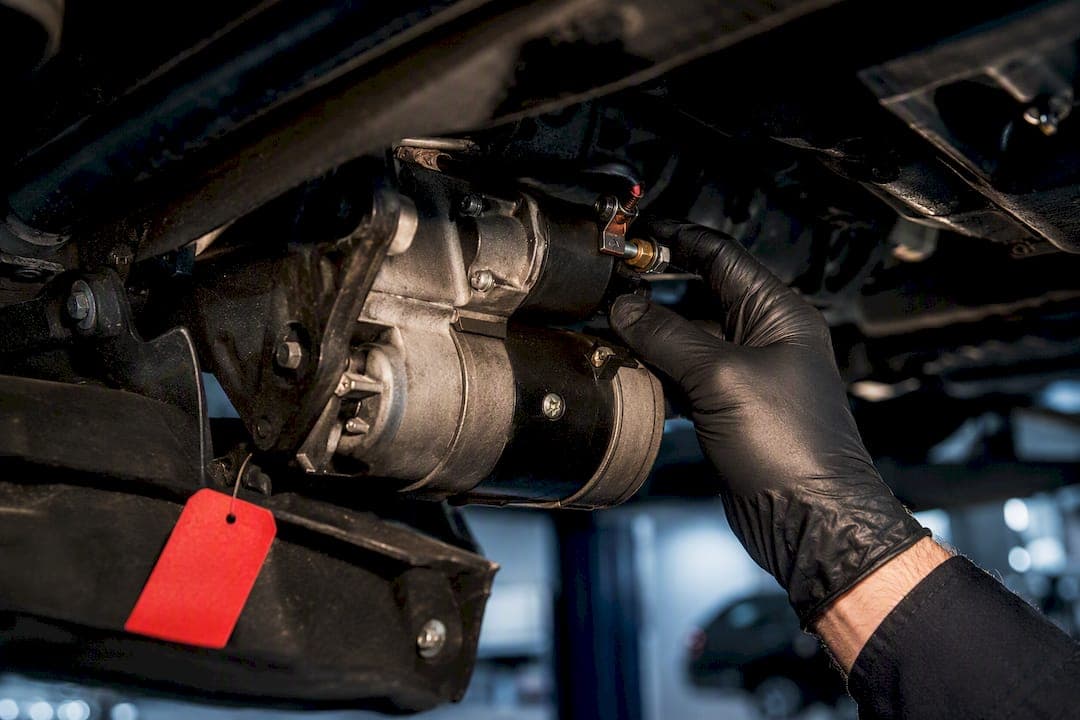
Starter coverage depends on where the component lands in your contract: bumper-to-bumper and electrical-inclusive plans usually cover it, while powertrain-only warranties almost always exclude it. If your vehicle is still under factory basic coverage, the starter is typically included. Once you move to an extended service contract, the plan tier and its covered-components list decide everything.
TL;DR:
- Factory bumper-to-bumper coverage typically includes the starter motor for three years or 36,000 miles, while powertrain warranties generally exclude it.
- Extended warranties often exclude the starter in entry-level plans but can include it in mid-tier and top-tier contracts if specifically listed or not excluded.
- Confirm starter coverage by reviewing your vehicle’s warranty documentation, insurance policy, and keeping detailed maintenance records before filing a claim.
- Replacing a starter costs between $290 and $1,050, with advanced or European vehicles generally incurring higher repair and parts costs.
- Exclusions commonly include batteries, wiring damaged by corrosion or rodents, and routine wear parts, making maintenance records crucial to prevent claim denials.
Table of Contents
- What Starter Warranty Coverage Looks Like Under Factory Plans
- How Extended Warranties Treat Starters By Plan Tier
- How To Confirm Starter Coverage And File A Claim
- What Does A Starter Replacement Actually Cost?
- Common Exclusions And Maintenance Rules That Cause Denials
- How Rpmwarranty Handles Starter Coverage
- Should You Buy Starter-Inclusive Coverage? A Quick Decision Guide
- Get A Free Quote For Starter-Inclusive Protection
- Sources
What Starter Warranty Coverage Looks Like Under Factory Plans
Automakers split factory protection into two buckets, and the starter's fate depends entirely on which one it lands in. Bumper-to-bumper coverage, often called basic coverage, typically runs about 3 years or 36,000 miles for brands ranging from Honda to Mercedes-Benz. During that window, most electrical accessories, including the starter motor, are covered without much argument.
Powertrain warranties tell a different story. These plans usually stretch for several years and cover substantial mileage, sometimes longer on diesel trucks like Ford's Super Duty lineup, but powertrain coverage generally excludes the starter. Manufacturers classify the starter as an electrical or accessory component rather than a core drivetrain part, even though the engine cannot turn over without it. That classification is why so many owners get blindsided when their bumper-to-bumper coverage expires but their powertrain warranty is still active.
Chevrolet's own generic warranty documentation spells this out directly. A manufacturer warranty booklet reviewed by legal analysts shows starter motors listed as excluded from powertrain protection, confirming this isn't a loophole. It's standard industry structure.
Coverage details vary by brand and model year, so don't assume your Range Rover or BMW follows the same script as a Honda Civic. Before you panic about a clicking noise under the hood, check two things:
- Your owner's manual warranty section, which lists exactly what basic and powertrain coverage include
- The manufacturer's website, searchable by VIN, which often has more current exclusion language than a printed booklet
How Extended Warranties Treat Starters By Plan Tier
Extended warranties, sometimes called vehicle service contracts, use tiered structures that mirror factory coverage but with more variation between providers. The label on the plan matters more than most buyers realize, and that label can be misleading if you don't read past the marketing name.
Here's how the tiers typically break down:
- Entry-level or powertrain-only plans cover the engine, transmission, and drive axle, but usually leave the starter out entirely, matching the same logic factory powertrain warranties use.
- Mid-tier plans that specifically list "electrical" or "powertrain plus" components tend to bring the starter back into coverage, since it runs on the vehicle's electrical system rather than the mechanical drivetrain.
- Top-tier or exclusionary contracts work in reverse. Instead of listing what's covered, they list what isn't. If the starter doesn't appear on that short exclusions list, it's covered by default.
This is where a lot of Porsche and Mercedes-Benz owners get tripped up. Luxury vehicles often carry more complex electrical architecture, and a plan that sounds comprehensive because it's the most expensive tier isn't automatically the one that names the starter. Read the actual components list, not the plan's marketing name.
Deductibles and pre-authorization rules add another layer. A $100 deductible on a $600 repair still makes a claim worthwhile, but a $200 deductible paired with a slow pre-authorization process can eat into the value, especially if you're paying for a rental car while you wait. Some plans require the repair shop to call in for approval before touching the vehicle; others allow you to get pre-approved yourself over the phone with your VIN and mileage ready.
How To Confirm Starter Coverage And File A Claim
Before you assume anything is covered, or denied, gather your documentation. Claims move faster and get approved more often when you show up prepared.
Have these ready before you call:
- Your VIN and current odometer reading
- Your contract or policy number
- A copy of your covered-components list or sample contract language
- Recent maintenance records, especially anything related to the electrical system or battery
The process itself follows a predictable sequence. Read your contract's components list first, specifically checking whether "starter" or "electrical system" appears anywhere in the covered or excluded sections. Call your provider for pre-authorization with your VIN and mileage on hand, since most contracts require this step before a shop can begin any diagnostic work. Once authorized, the shop performs a diagnostic to confirm the starter itself has failed rather than a related electrical fault. Document the estimate and the provider's written approval before repairs begin.
Denials usually trace back to one of three issues: missing maintenance records, a component that was genuinely excluded from the start, or a provider arguing the failure stems from wear and tear rather than a defect. Keep receipts for battery service and electrical inspections. They're your best defense against a wear-and-tear denial.
Pro Tip: Call for pre-authorization before you tow the vehicle anywhere. Some contracts deny claims retroactively if repairs start before approval is on record, even if the starter would have been covered otherwise.
Authorization typically takes anywhere from same-day to 48 hours, depending on the provider and how quickly the shop submits diagnostic findings.
What Does A Starter Replacement Actually Cost?
Starter replacement typically runs between $290 and $1,050, with most repairs landing in the mid-hundreds once labor and parts are combined. That range shifts depending on vehicle complexity and where you get the work done.
A starter job on a Honda Accord might cost a few hundred dollars at an independent shop. The same repair on a BMW X5 or Range Rover Sport, where the starter sits deep in the engine bay and requires more labor hours to access, can push toward the higher end of that range or beyond.
OEM parts usually cost more than aftermarket units but often carry better fit and longer expected life, particularly on European makes where tolerances are tighter. Some remanufactured starters also come with a core charge, an upfront deposit that gets refunded once you return the old unit, which can add $20 to $50 to the initial bill even though you'll likely recoup it. Labor rates swing widely too. A dealer service department charging premium hourly rates for a Porsche or Mercedes-Benz will cost more than an independent mechanic doing the same job. When a single repair can approach four figures on a luxury vehicle, a warranty plan that includes the starter starts looking like a smart hedge rather than an unnecessary add-on.
Common Exclusions And Maintenance Rules That Cause Denials
Even a plan that covers electrical components draws lines somewhere, and knowing where those lines sit saves you from a frustrating denial letter. Contracts commonly exclude:
- Batteries, since they're treated as a maintenance item rather than a mechanical failure
- Wiring harnesses and connectors damaged by corrosion, rodents, or aftermarket installations
- Routine wear parts like brushes inside the starter motor, if the contract specifically carves those out
Lack of maintenance records often leads to coverage denial, as providers may argue failure resulted from neglect, poor connections, or unauthorized repair work, even if the starter itself failed. Keep dated receipts for anything related to your electrical system, and avoid letting an unlicensed shop touch wiring near the starter if you want to preserve a claim.
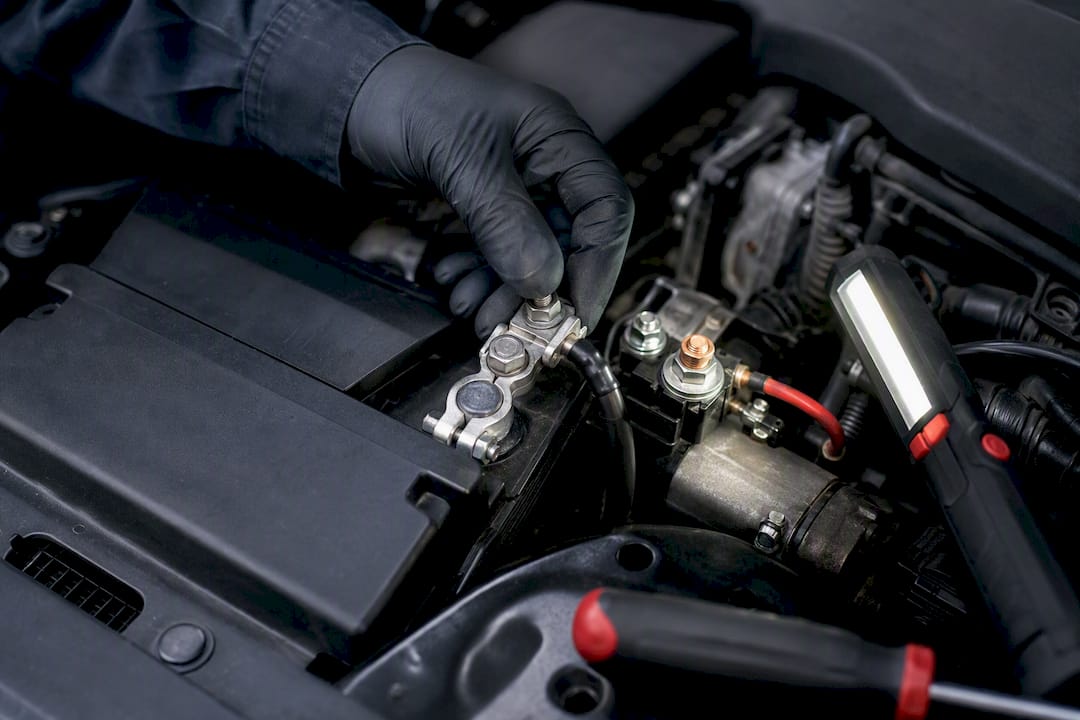
A useful habit is to ask shops to note the condition of battery terminals and starter connections during routine service visits to help support claims. That single line item can be the difference between an approved claim and a denied one.
How Rpmwarranty Handles Starter Coverage
Some extended warranty providers structure their plans so electrical components, including the starter, get clearer treatment than the vague fine print you'll find in many factory booklets. Higher tiers extend further into electrical and high-tech systems, which matters if you're driving something like a BMW 5 Series or a Range Rover with dense onboard electronics.
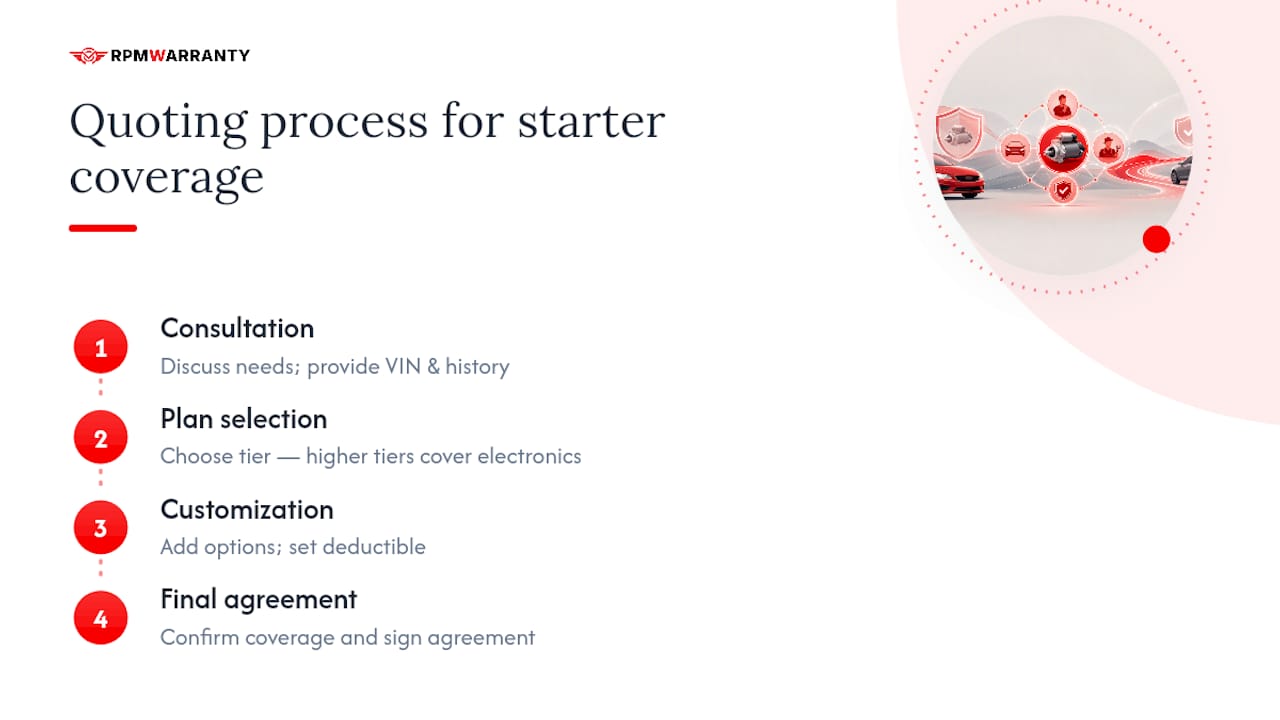
The quoting process often includes steps such as consultation, plan selection, customization, and final agreement, allowing you to confirm coverage details before committing. Before requesting a quote or filing a claim, have your VIN, vehicle history, mileage, and deductible preferences ready. Preparing these details can help speed up the process.
Should You Buy Starter-Inclusive Coverage? A Quick Decision Guide
Here's my honest read on this after digging through the warranty language: Vehicles with higher mileage, particularly those out of factory powertrain coverage, benefit most from starter-inclusive protection. Newer, low-mileage vehicles usually remain covered under factory basic warranty.
Luxury models change the math. A Porsche or Mercedes-Benz starter repair can run well above the average, making coverage worth more per dollar than it would on an economy sedan. If you're driving one of these and your basic warranty has lapsed, get a quote before you need one.
— Kenneth
Get A Free Quote For Starter-Inclusive Protection
If your bumper-to-bumper coverage has expired and your powertrain warranty leaves the starter uncovered, some extended warranty providers offer plans that can help close that gap and mitigate high repair costs. Certain warranty plans may bundle roadside assistance and electrical-system protection alongside engine and transmission coverage, providing comprehensive protection without requiring separate policies.
Getting a quote takes minutes if you have your VIN, current mileage, and vehicle make, model, and year ready. Head to the protection plans page to compare Essential, Advanced, and Elite tiers side by side, or jump straight to free quotes if you already know what you're driving and just want a number. Volkswagen owners specifically can check the Volkswagen warranty page for coverage details tailored to that platform.