

You've probably heard the term bumper to bumper warranty and assumed it covers everything from the front bumper to the rear bumper. That's a reasonable assumption, but it's not entirely accurate. These warranties, while comprehensive, have specific limits and exclusions that can surprise vehicle owners when they need repairs. Understanding exactly what your bumper to bumper warranty covers, what it excludes, and how to maximize its benefits can save you thousands of dollars and prevent frustrating surprises at the service center.
Table of Contents
- What Bumper To Bumper Warranty Typically Covers
- Common Exclusions: What Bumper To Bumper Warranties Don't Cover
- Duration And Types Of Bumper To Bumper Warranties
- Practical Tips For Maximizing Your Bumper To Bumper Warranty Benefits
- Explore Extended Warranty Options With RPM Warranty
Key takeaways
| Point | Details |
|---|---|
| Coverage scope | Bumper to bumper warranties cover most major mechanical and electrical components but exclude wear items like brake pads and tires. |
| Duration varies | Standard coverage ranges from 3 years/36,000 miles to 5 years/60,000 miles depending on manufacturer and vehicle type. |
| Maintenance required | You must follow the manufacturer's maintenance schedule and keep detailed service records to maintain coverage validity. |
| Exclusions matter | Damage from accidents, modifications, misuse, or routine maintenance items are typically not covered under these warranties. |
| Extended options | Third party extended warranties can provide additional coverage beyond factory bumper to bumper warranties with different terms. |
What bumper to bumper warranty typically covers
Bumper to bumper warranties, also known as comprehensive or new vehicle limited warranties, provide coverage for thousands of parts related to vehicle operation and safety. These warranties protect you against defects in materials and workmanship for a specified period, giving you peace of mind during the early years of vehicle ownership.
The core systems and components typically included are extensive. Your engine and transmission receive full coverage for internal failures and mechanical breakdowns. The electrical system, including the alternator, starter, and wiring harnesses, falls under protection. Climate control components like the air conditioning compressor and heater core are covered. The suspension system, steering components, and braking system (excluding pads and rotors as wear items) receive warranty protection.
Your vehicle's body and trim components are also included. Power windows, door locks, mirrors, and seat adjustments are covered when they fail due to manufacturing defects. The fuel system, cooling system, and exhaust components receive protection. Even advanced technology features like infotainment systems, navigation units, and safety sensors typically fall under bumper to bumper coverage.
Here's a breakdown of major coverage categories:
- Engine components including pistons, valves, and timing systems
- Transmission and drivetrain parts
- Electrical systems and computer modules
- HVAC systems and climate controls
- Suspension and steering assemblies
- Safety systems including airbags and seatbelts
- Interior electronics and convenience features
| System | Typical Components Covered | Common Exclusions |
|---|---|---|
| Engine | Cylinder head, block, pistons, valves | Oil, filters, spark plugs |
| Electrical | Alternator, starter, wiring, modules | Battery, light bulbs, fuses |
| HVAC | Compressor, heater core, blower motor | Refrigerant recharge, cabin filters |
| Braking | Calipers, master cylinder, ABS module | Brake pads, rotors, fluid |
Pro Tip: Always verify coverage with your specific warranty contract, as manufacturers may vary slightly in what they include. Some luxury brands offer more extensive coverage than economy brands, so don't assume all bumper to bumper warranties are identical.
It's important to understand that coverage requires you to use authorized dealerships or certified service centers for repairs. This ensures that qualified technicians perform the work using approved parts and procedures. If you need warranty work, contact your dealer first to confirm coverage before authorizing repairs. For more information on how extended coverage works beyond factory warranties, explore an extended vehicle warranty overview to understand your options.
Common exclusions: What bumper to bumper warranties don't cover
Despite the comprehensive nature of bumper to bumper warranties, significant exclusions exist that catch many vehicle owners off guard. Understanding these limitations helps you budget for maintenance and avoid denied claims when you need service.
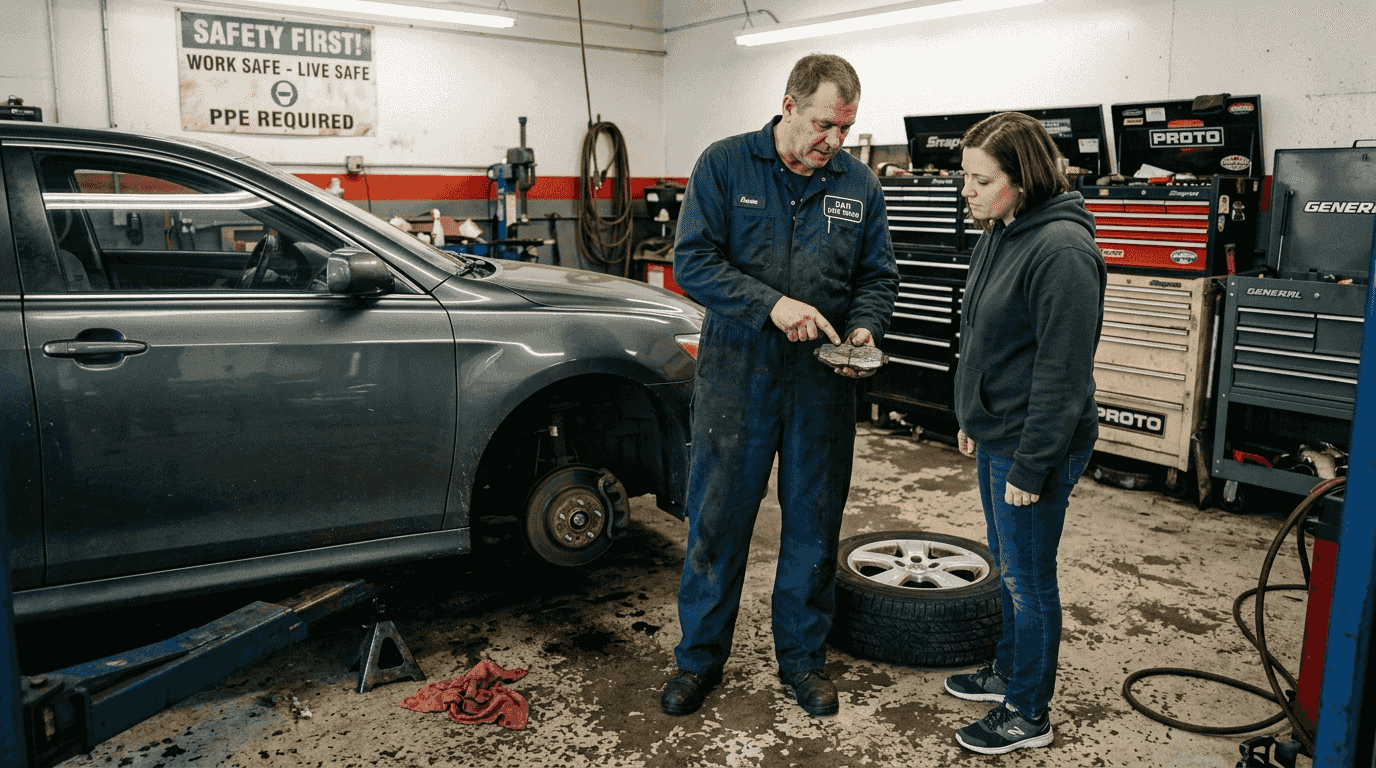
Wear and tear items represent the largest category of exclusions. Brake pads, tires, wiper blades, and filters are considered consumable parts that degrade with normal use. You're responsible for replacing these items at recommended intervals. Engine oil, transmission fluid, coolant, and other fluids also fall outside warranty coverage, as do batteries in most cases.
Routine maintenance services are your responsibility as the owner. Oil changes, tire rotations, wheel alignments, and inspections are not covered. The warranty assumes you'll perform these services according to the manufacturer's schedule. Failing to complete required maintenance can void your warranty coverage entirely, leaving you responsible for repair costs that would otherwise be covered.
Damage from external factors or improper use invalidates coverage. Accidents, collisions, vandalism, theft, and environmental damage like hail or flooding are excluded. If you drive through deep water and damage your engine, or hit a pothole and bend a suspension component, the warranty won't cover repairs. These situations fall under your auto insurance policy, not your vehicle warranty.
Aftermarket modifications create another common exclusion area. Installing non factory parts or making performance modifications often voids warranty coverage for related systems. If you install an aftermarket exhaust system and later experience engine problems, the manufacturer may deny coverage by linking the modification to the failure. Even cosmetic changes can sometimes affect warranty status.
Here are critical exclusions to remember:
- Consumable items like brake pads, rotors, tires, and wiper blades
- Fluids including oil, coolant, transmission fluid, and brake fluid
- Scheduled maintenance services and inspections
- Damage from accidents, weather, or environmental factors
- Cosmetic issues like paint chips, scratches, and interior wear
- Problems caused by neglect, misuse, or racing
- Repairs needed due to aftermarket modifications
Pro Tip: Keep a detailed folder with all your service records, receipts, and maintenance documentation. If a warranty claim is ever disputed, this evidence proves you maintained your vehicle properly and followed all manufacturer requirements.
Understanding these exclusions helps you plan for vehicle ownership costs realistically. For specific questions about what maintenance activities are required to keep your coverage valid, review maintenance and use requirements for warranty protection to ensure you're following all necessary guidelines.
Duration and types of bumper to bumper warranties
Bumper to bumper warranty duration varies significantly based on manufacturer, vehicle brand, and market segment. Standard coverage ranges from 3 years/36,000 miles to 5 years/60,000 miles, with luxury brands often providing longer protection periods. The coverage expires when you reach either the time limit or mileage limit, whichever comes first.
Economy brands typically offer the baseline coverage of 3 years or 36,000 miles. Mainstream manufacturers often provide 3 to 4 years or 36,000 to 50,000 miles. Luxury and premium brands frequently extend coverage to 4 or 5 years and 50,000 to 60,000 miles. Some manufacturers even offer longer coverage as a competitive advantage, particularly in markets where warranty length influences purchase decisions.
Powertrain warranties, which cover the engine, transmission, and drivetrain, typically last longer than bumper to bumper coverage. While your comprehensive warranty might expire at 3 years/36,000 miles, the powertrain warranty often continues to 5 years/60,000 miles or even 10 years/100,000 miles. This extended powertrain protection covers the most expensive repair components but excludes the broader systems covered under bumper to bumper terms.
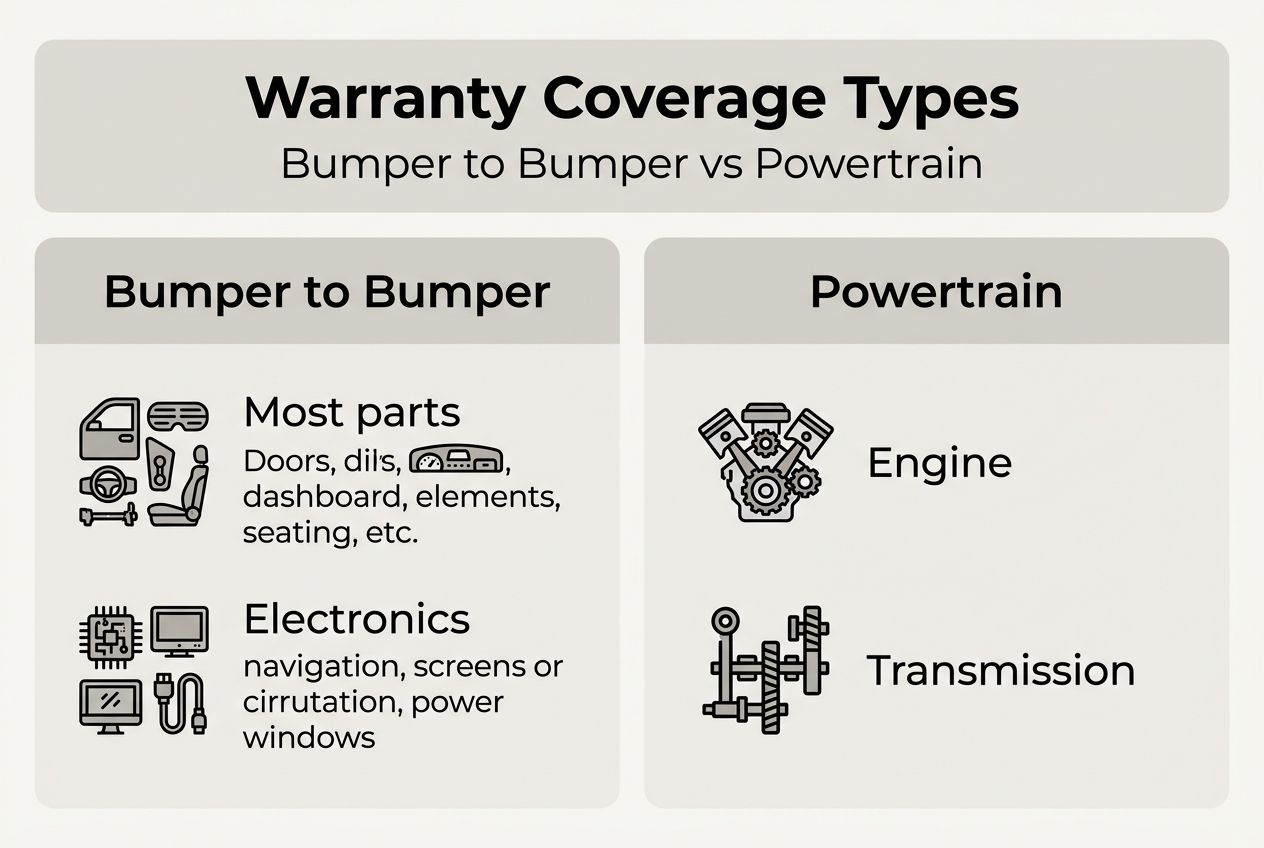
Extended warranties provide additional coverage beyond the factory bumper to bumper period. These optional plans, available from manufacturers or third party providers, can extend protection for several more years and tens of thousands of miles. Extended warranties become particularly valuable as vehicles age and the likelihood of expensive repairs increases.
Two primary types of extended warranty structures exist. Exclusionary warranties list what's not covered, meaning everything else receives protection. Inclusionary warranties specify exactly what is covered, excluding everything not listed. Exclusionary plans typically provide more comprehensive protection but cost more, while inclusionary plans offer targeted coverage at lower prices.
| Warranty Type | Typical Duration | Coverage Scope | Best For |
|---|---|---|---|
| Factory Bumper to Bumper | 3-5 years/36,000-60,000 miles | Most components except wear items | New vehicle owners |
| Powertrain | 5-10 years/60,000-100,000 miles | Engine, transmission, drivetrain | Long term ownership |
| Extended Exclusionary | Variable, often 7-10 years | Nearly everything except listed exclusions | High value vehicles |
| Extended Inclusionary | Variable, often 5-7 years | Only listed components | Budget conscious buyers |
Choosing the right warranty type depends on several factors:
- Your vehicle's current value and expected depreciation rate
- Your planned ownership duration and anticipated annual mileage
- The vehicle's reliability history and common repair issues
- Your personal risk tolerance and ability to cover unexpected repairs
- The cost difference between warranty options and potential repair expenses
For a detailed comparison of how different warranty types stack up, including bumper to bumper versus powertrain coverage, check out comparing bumper to bumper and powertrain warranties to understand which protection level makes sense for your situation.
Practical tips for maximizing your bumper to bumper warranty benefits
Protecting your warranty coverage requires diligent attention to maintenance, documentation, and repair procedures. Following these practical strategies ensures you receive the full value of your warranty and avoid claim denials that could cost thousands of dollars.
Detailed maintenance records and manufacturer schedule adherence are absolutely essential for maintaining coverage validity. Create a dedicated folder or digital file for every service receipt, oil change record, and repair invoice. Note the date, mileage, and services performed for each visit. This documentation proves you maintained your vehicle properly if a warranty claim is ever questioned.
Follow your owner's manual maintenance schedule precisely, not the recommendations from quick lube shops or independent mechanics. Manufacturers specify exact service intervals for oil changes, fluid replacements, filter changes, and inspections. Deviating from these schedules, even if a mechanic suggests different intervals, can provide grounds for warranty denial. The manufacturer's schedule is the legal standard your warranty requires.
Authorized service centers must perform warranty repairs to ensure claim approval and proper documentation. While you can use independent shops for routine maintenance in most cases, warranty repairs should always go to certified dealerships or manufacturer approved facilities. These locations have direct access to warranty systems, approved parts, and trained technicians who understand coverage requirements.
Here's your step by step approach to maximizing warranty benefits:
- Read your warranty contract thoroughly before you need it, noting all exclusions and requirements
- Schedule maintenance appointments based strictly on your owner's manual intervals
- Save every service receipt and create backup copies in digital format
- Contact your dealership before authorizing any repair that might be covered
- Ask service advisors to check warranty coverage before approving repair estimates
- Review repair orders carefully to ensure warranty claims are properly submitted
- Keep your warranty documents with your vehicle registration and insurance papers
Pro Tip: Take photos of your odometer at each service visit and store them with your receipts. This creates an indisputable mileage record that can resolve disputes about whether your vehicle was within warranty limits when problems occurred.
Before purchasing any vehicle, carefully review the warranty terms and compare them to competitors. Some manufacturers offer significantly better coverage than others, and warranty quality should factor into your purchase decision. Extended warranties are optional products, not automatic extensions of factory coverage, so evaluate them separately based on your specific needs and vehicle reliability.
"The best warranty is worthless if you don't maintain proper documentation and follow the manufacturer's requirements. Treat your service records like insurance policies, because that's essentially what they are."
Understanding that extended warranties differ from manufacturer coverage is crucial. Third party warranties may have different exclusion lists, deductible structures, claim procedures, and repair facility requirements. Read the fine print carefully and ask specific questions about coverage limits, transferability, and cancellation policies before purchasing.
For comprehensive guidance on maintaining your coverage and understanding all warranty requirements, visit the warranty maintenance guide to ensure you're protecting your investment properly and avoiding common mistakes that void coverage.
Explore extended warranty options with RPM Warranty
Now that you understand the scope and limitations of bumper to bumper warranties, you might be considering how to protect your vehicle once factory coverage expires. RPM Warranty offers tailored extended warranty plans designed specifically for vehicle owners who want comprehensive protection beyond manufacturer warranties.
RPM Warranty provides customized vehicle protection plans that complement your factory bumper to bumper coverage or fill the gap when it expires. With options ranging from Elite to Essential coverage levels, you can select protection that matches your vehicle's value, your budget, and your peace of mind requirements. Get free extended warranty quotes to compare coverage options and find the right plan for your specific vehicle.
The nationwide network of authorized dealers means you can get repairs at convenient locations across the country, with straightforward claims processing and expert support. Whether you drive a Volkswagen or another popular brand, explore Volkswagen extended warranty options and similar coverage for other manufacturers to see how extended protection can save you from unexpected repair bills.
FAQ
Is tire damage covered under a bumper to bumper warranty?
Tire damage is generally excluded from bumper to bumper warranties because tires are considered wear items that degrade with normal use. You are responsible for tire replacement, rotation, and maintenance throughout your ownership period. Check your specific warranty contract for exact terms, as some manufacturers may cover tire defects discovered within the first few months of ownership, but this is rare and typically requires proof of manufacturing defects rather than road damage or normal wear.
Can I get bumper to bumper coverage on a used car?
Some manufacturers offer certified pre owned programs that include bumper to bumper or comprehensive warranties for used vehicles that meet specific age and mileage criteria. Third party extended warranties are popular for used cars to add coverage beyond any remaining factory warranty. Coverage terms, costs, and exclusions vary significantly between providers, so review contracts carefully and compare multiple options before purchasing. The vehicle's age, mileage, and condition will affect both availability and pricing of used car warranty coverage.
What happens if I don't maintain my vehicle properly under warranty?
Neglecting required maintenance voids warranty claims related to systems affected by the lack of service. If you skip oil changes and experience engine failure, the manufacturer can deny coverage by proving the failure resulted from inadequate maintenance. Keeping detailed service records with dates, mileage, and services performed is essential for proving you maintained your vehicle according to manufacturer specifications. Without this documentation, you may struggle to validate warranty claims even if you actually performed the required maintenance. For complete requirements, review the warranty maintenance guide to understand exactly what documentation you need.
Are aftermarket parts covered by bumper to bumper warranties?
Most bumper to bumper warranties exclude coverage for damages caused by aftermarket parts or modifications to your vehicle. Installing non factory components can void warranty protection for related systems, even if the aftermarket part didn't directly cause the failure. Manufacturers may argue that modifications altered the vehicle's design and contributed to problems. If you want to maintain full warranty coverage, avoid aftermarket modifications during the warranty period. Consult your specific warranty contract for details about how modifications affect coverage, as some manufacturers are more restrictive than others regarding aftermarket parts and accessories.
Recommended
- Extended Vehicle Auto Motorcyle Warranty | Trusted By All Dealers Nationwide
- Extended Vehicle Auto Motorcyle Warranty | Trusted By All Dealers Nationwide
- Best Buick Extended Vehicle Auto Motorcyle Warranty | Trusted By All Dealers Nationwide
- Best Hummer Extended Vehicle Auto Motorcyle Warranty | Trusted By All Dealers Nationwide