
TL;DR:
- Corrosion protection involves methods and maintenance practices that prevent or slow the chemical breakdown of vehicle metal surfaces. Proper layered protection, including coatings and regular inspections, is essential for preserving vehicle strength, appearance, and resale value over time. Neglecting ongoing preventive measures increases the risk of rust, structural damage, and costly repairs, especially in high-salt or humid environments.
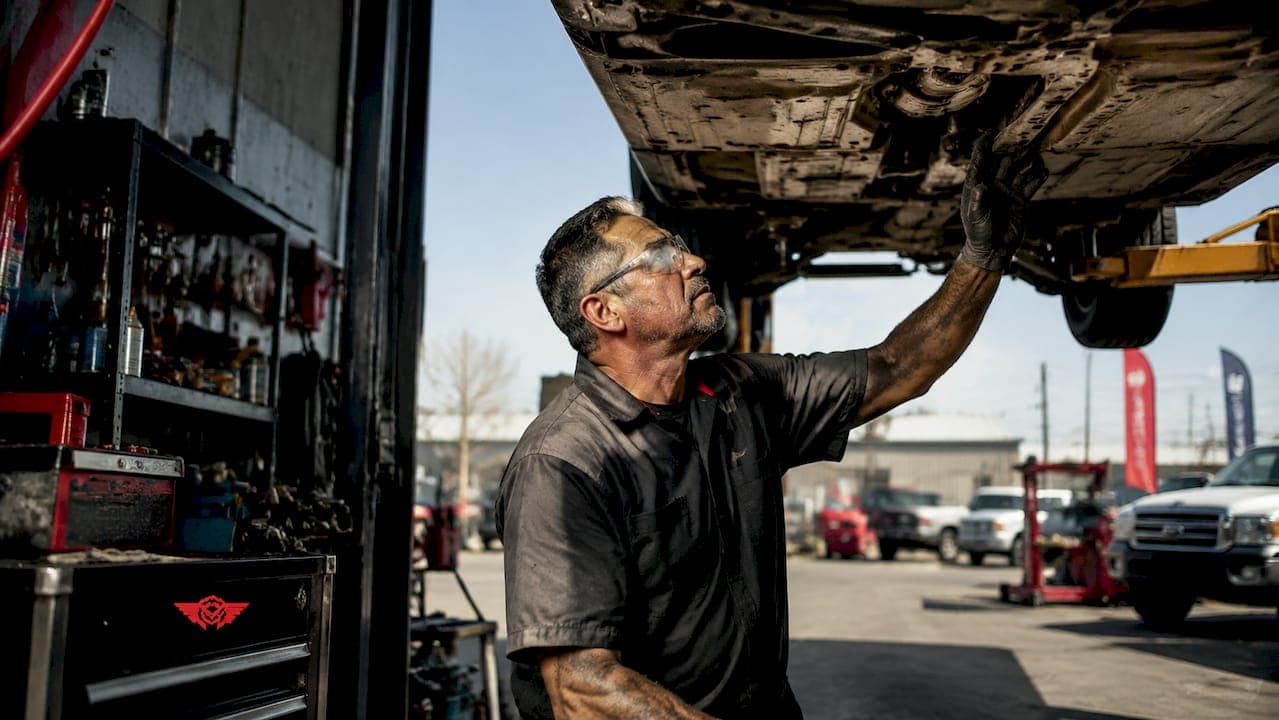
Corrosion protection is the set of techniques used to prevent or slow the chemical breakdown of metal in vehicles, preserving structural integrity and long-term value. Without it, moisture, road salt, and oxygen attack bare metal surfaces and trigger rust that spreads faster than most owners expect. Vehicles like BMW, Mercedes-Benz, and Porsche leave the factory with multi-layer corrosion protection built into their manufacturing process, yet even those systems need ongoing support from the owner. Understanding what corrosion protection means, and how to apply it, is the most cost-effective decision you can make for your vehicle's lifespan.
What is corrosion protection and why does it matter?
Corrosion protection is defined as any method, material, or process that prevents metal surfaces from reacting with environmental elements that cause deterioration. The industry term for managing this process at a system level is corrosion control, which covers everything from surface preparation to long-term maintenance schedules. For vehicle owners, corrosion control is not optional. It directly determines how long your car holds its structural strength and resale value.
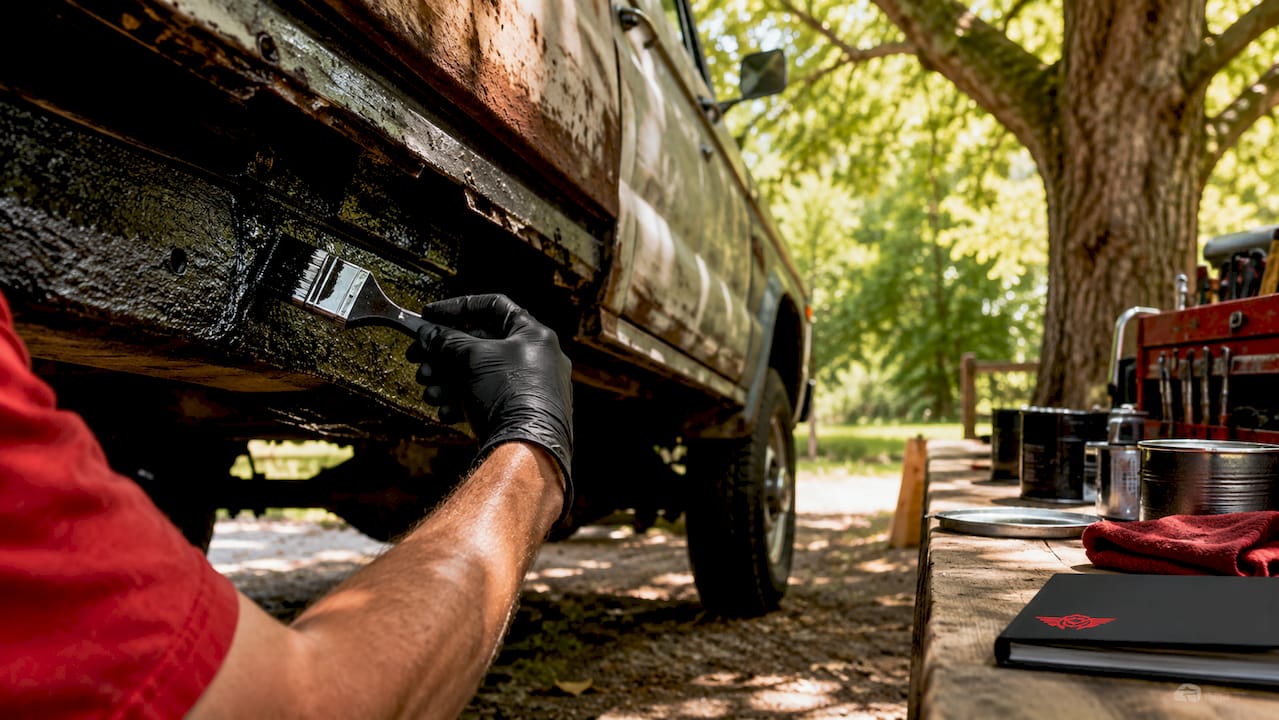
Corrosion is a spontaneous electrochemical process that does not pause once it starts. Once a rust pit forms on your undercarriage or door frame, it becomes a focal point for further damage, spreading outward and inward simultaneously. A small chip in your BMW's paint is not cosmetic. It is the beginning of a structural problem if left untreated.
The importance of corrosion protection goes beyond appearance. Rust weakens load-bearing components, compromises brake line housings, and degrades the frame rails that protect you in a collision. Addressing it early costs a fraction of what full structural repair demands later.
What causes corrosion in vehicles?
Corrosion in vehicles results from electrochemical reactions between metal, moisture, and oxygen. Road salt accelerates this reaction significantly, which is why vehicles driven in northern states or coastal regions corrode faster than those kept in dry climates. The undercarriage of any vehicle takes the heaviest exposure because it faces direct contact with road spray, debris, and standing water.
Several factors combine to make vehicles especially vulnerable:
- Road salt and de-icing chemicals penetrate seams and joints, creating an electrolyte solution that drives electrochemical corrosion at an accelerated rate
- Moisture traps in body panels collect water in areas like rocker panels, door bottoms, and wheel arches where drainage is poor
- Stone chips and paint scratches expose bare metal directly to the environment, removing the first line of defense
- Dissimilar metals in contact create galvanic cells that corrode the less noble metal faster than either would corrode alone
- Internal cavities such as door frames and rocker panels are common corrosion failure points because trapped moisture fosters crevice corrosion that remains invisible until structural failure occurs
Porsche and Range Rover both use extensive cavity wax injection during manufacturing to address these hidden zones. Even so, that factory protection has a service life. Owners who assume the factory treatment lasts forever are the ones who discover rust bubbling under their door sills at the 10-year mark.
The consequences of neglect are serious. Rust damage to structural components can void safety certifications, fail state inspections, and reduce resale value by thousands of dollars. Catching corrosion early is always cheaper than repairing it late.
What are the main types of corrosion protection?
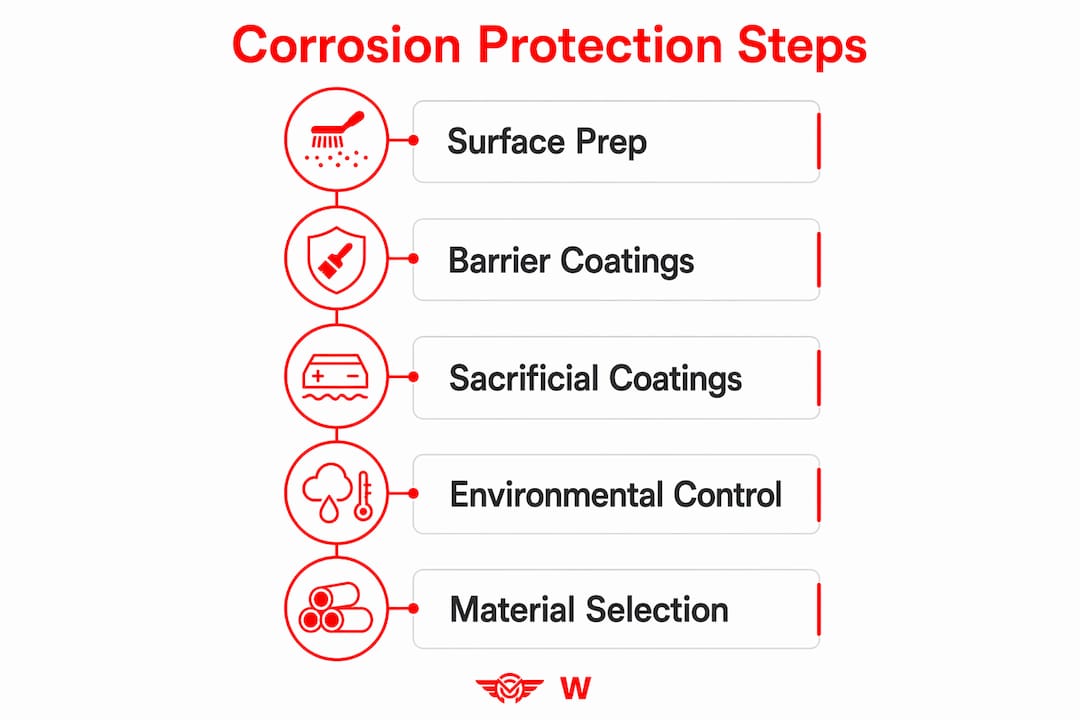
Corrosion prevention methods fall into four main categories: barrier coatings, sacrificial coatings, environmental control, and material selection. Most effective protection strategies use all four together rather than relying on any single approach.
Barrier coatings
Barrier coatings like paints and epoxies are the most common and cost-effective initial protection method for vehicles. They work by physically separating metal surfaces from moisture and oxygen. A factory paint system on a Mercedes-Benz or Honda typically includes a phosphate conversion layer, an epoxy primer, a color coat, and a clear coat. Each layer serves a specific function in the overall defense system.
Successful corrosion protection relies on clean, chemically prepared surfaces combined with multi-layer coatings to achieve durability. Skipping surface preparation before applying any coating is the single most common reason aftermarket treatments fail prematurely.
Sacrificial coatings
Galvanized steel uses a zinc coating that corrodes preferentially, meaning the zinc sacrifices itself to protect the underlying steel. Sacrificial zinc coating continues protecting the steel even after the surface is scratched, which is a significant advantage over paint alone. Ford uses galvanized steel extensively in its truck body panels for this reason.
Environmental control
- Wash your vehicle's undercarriage every two weeks during winter months to remove road salt buildup
- Apply a dedicated undercoating spray to exposed metal surfaces before the first winter season
- Keep drain holes in door bottoms and rocker panels clear so water does not pool inside body cavities
- Store vehicles in covered, ventilated spaces rather than sealed garages where humidity concentrates
- Rinse wheel wells thoroughly after driving on salted roads, since brake dust and salt combine into a particularly corrosive paste
Washing the vehicle undercarriage to remove road salt and debris is a critical, low-cost corrosion prevention strategy that most owners skip. The cost of a monthly undercarriage wash is negligible compared to the cost of replacing corroded frame components.
Material selection
Stainless steel and aluminum alloys offer greater natural resistance to corrosion than mild steel. Aluminum forms a self-healing oxide layer that slows further oxidation. However, corrosion-resistant metals can still corrode under certain conditions if protective layers are damaged or maintained poorly. Material selection reduces risk. It does not eliminate it.
Pro Tip: Apply a wax or ceramic sealant to your vehicle's painted surfaces every six months. These products add a hydrophobic layer that causes water to bead and run off rather than sitting on the surface and working into micro-scratches.
Traditional vs. advanced corrosion protection technologies
Corrosion protection techniques have evolved significantly, and the gap between traditional and advanced methods is now wide enough to affect your buying and maintenance decisions.
| Feature | Traditional Methods | Advanced Methods |
|---|---|---|
| Examples | Paint, galvanization, rust inhibitors | Self-healing coatings, graphene films, ceramic coatings |
| Cost | Low to moderate | Moderate to high |
| Durability | 3–7 years with maintenance | 7–15 years depending on application |
| Self-repair ability | None | Self-healing coatings reseal minor scratches |
| Best suited for | Daily drivers, budget-conscious owners | Luxury vehicles, long-term ownership |
Traditional galvanization and multi-layer paint systems remain the backbone of factory corrosion protection across the industry. They are proven, affordable, and widely available for repair. BMW and Mercedes-Benz rely on these systems as their primary defense, supplemented by cavity wax and underbody coatings.
Advanced corrosion protections like self-healing coatings and graphene-infused films offer nearly impermeable barriers but at higher costs than traditional methods. Graphene coatings block oxygen and moisture at the molecular level, making them the most technically capable option currently available. A professional graphene coating application on a Porsche 911 or Range Rover Sport typically runs $1,500–$3,000, but the protection lifespan justifies the investment for owners planning to keep the vehicle long-term.
Self-healing coatings contain polymer networks that flow back together when scratched by heat or pressure. They are now appearing as factory options on select luxury vehicles and as aftermarket treatments from professional detailing shops. For most daily drivers, a quality ceramic coating at $500–$1,000 professionally applied offers a strong middle ground between traditional wax and full graphene treatment.
Pro Tip: Before investing in any advanced coating, have a professional inspect your paint for existing oxidation or micro-scratches. Sealing over existing damage locks it in and accelerates corrosion underneath the coating.
How to prevent corrosion: practical steps for vehicle owners
Preventing corrosion on your vehicle does not require expensive treatments. It requires consistent habits and attention to the areas most owners ignore.
- Repair paint chips immediately. A chip the size of a pencil eraser exposes bare metal that begins oxidizing within hours in humid conditions. Touch-up paint kits for BMW, Honda, Ford, and Mercedes-Benz are available by color code for under $20.
- Inspect hidden areas twice a year. Check rocker panels, door bottoms, the area behind wheel arches, and the underside of the trunk floor. These are the zones where moisture traps and internal cavity corrosion begins before it becomes visible.
- Use dielectric grease on electrical connections. Moisture at connector points causes both corrosion and electrical faults. Dielectric grease creates a waterproof seal without conducting electricity.
- Install aftermarket accessories correctly. Galvanic corrosion occurs when aftermarket accessories made of dissimilar metals contact your vehicle's body without insulation barriers. Nylon washers and dielectric grease prevent harmful electrochemical reactions between metals.
- Apply underbody coating before winter. Products like rubberized undercoating sprays create a flexible barrier over exposed metal. Apply them to clean, dry surfaces in fall before road salt season begins.
- Address rust spots before they spread. Failing to treat small localized rust spots immediately is a common error that accelerates corrosion and weakens vehicle structure. Sand to bare metal, apply a rust converter, prime, and repaint.
Range Rover and Porsche owners often invest in professional annual inspections that include cavity wax reapplication to door skins and sill sections. This is a best practice worth adopting regardless of what you drive. The labor cost for a cavity wax treatment is far lower than the cost of replacing a corroded sill panel.
Understanding corrosion resistance also means recognizing what your vehicle was not designed to handle. A vehicle built for California roads will corrode faster in Michigan winters without additional protection. Know your environment and adjust your maintenance accordingly.
Key takeaways
Corrosion protection is a layered, ongoing process that combines barrier coatings, sacrificial materials, regular maintenance, and timely repairs to prevent metal degradation and preserve vehicle value.
| Point | Details |
|---|---|
| Corrosion starts fast | Electrochemical reactions begin at exposed metal within hours, making prompt chip repair non-negotiable. |
| Layered defense works best | Combining paint, galvanization, and undercoating outperforms any single protection method. |
| Hidden cavities are high risk | Rocker panels and door frames trap moisture and corrode invisibly until structural damage appears. |
| Advanced coatings extend protection | Graphene and self-healing coatings last 7–15 years and suit luxury vehicles with long ownership plans. |
| Maintenance is the multiplier | Regular undercarriage washing and annual inspections extend the life of any protection system applied. |
The uncomfortable truth about corrosion protection
I have spent years reviewing how vehicle owners approach maintenance, and the pattern is consistent. People invest in the visible and ignore the invisible. They wax the hood and forget the rocker panels. They buy a $2,000 ceramic coating and never wash the undercarriage once.
Corrosion protection is best viewed as a life-cycle management strategy, requiring ongoing attention and layered defenses rather than a one-time fix. That framing changes everything. It means the $30 undercarriage wash in february matters as much as the $1,500 ceramic coating applied in the spring.
The mistake I see most often with luxury vehicle owners, specifically those driving BMW 5 Series, Mercedes-Benz E-Class, and Range Rover Sport models, is assuming the factory protection is permanent. It is not. Factory cavity wax degrades. Factory underbody coatings crack and peel. The vehicle's corrosion warranty covers manufacturing defects, not the natural degradation of protective treatments over time.
My honest recommendation is this: treat corrosion protection as a seasonal maintenance item, not a one-time purchase. Schedule an undercarriage inspection every fall. Reapply cavity wax to door skins and sills every three to five years. Fix paint chips within a week of noticing them. Corrosion-resistant is not equal to corrosion-proof, and the owners who understand that distinction are the ones whose vehicles still look and perform well at 150,000 miles.
The other point most articles miss: surface preparation matters more than product selection. A premium graphene coating applied over contaminated or oxidized paint will fail faster than a basic epoxy primer applied over a properly cleaned and etched surface. Spend more time on prep than on product research.
— Kenneth
Protect your vehicle investment beyond the paint
Corrosion protection preserves your vehicle's metal. But what protects you when a corroded component causes a mechanical failure that your manufacturer's warranty no longer covers?
Rpmwarranty offers vehicle protection plans designed to cover repair costs across engines, transmissions, electrical systems, and more, giving you financial protection when maintenance alone is not enough. Whether you drive a Ford F-150, a BMW X5, or a Honda Accord, Rpmwarranty's Elite, Advanced, and Essential plans are built to match your vehicle's specific needs and your budget. Get a free quote at Rpmwarranty and add a layer of financial protection to the physical protection you are already building into your vehicle.
FAQ
What is corrosion protection in simple terms?
Corrosion protection is any method used to prevent metal from reacting with moisture, oxygen, or chemicals that cause rust and deterioration. For vehicles, this includes paint systems, galvanized steel, undercoating, and regular maintenance.
How do i know if my vehicle needs more corrosion protection?
Inspect rocker panels, door bottoms, and the undercarriage for rust bubbling, paint lifting, or bare metal. Vehicles driven in high-salt environments or coastal regions need supplemental protection beyond factory treatments.
Does galvanized steel mean my vehicle won't rust?
Galvanized steel resists rust longer because the zinc coating corrodes first, protecting the steel underneath. However, once the zinc layer is depleted or severely damaged, the underlying steel will corrode like any unprotected metal.
What is the best corrosion protection method for a luxury vehicle?
Professional ceramic or graphene coatings combined with annual cavity wax reapplication and regular undercarriage washing provide the strongest protection for luxury vehicles like Porsche, Range Rover, and BMW. No single method outperforms a layered approach.
Can aftermarket accessories cause corrosion on my vehicle?
Yes. Installing accessories made from dissimilar metals without insulating barriers creates galvanic corrosion at contact points. Use nylon washers and dielectric grease between metal surfaces to prevent this electrochemical reaction.