
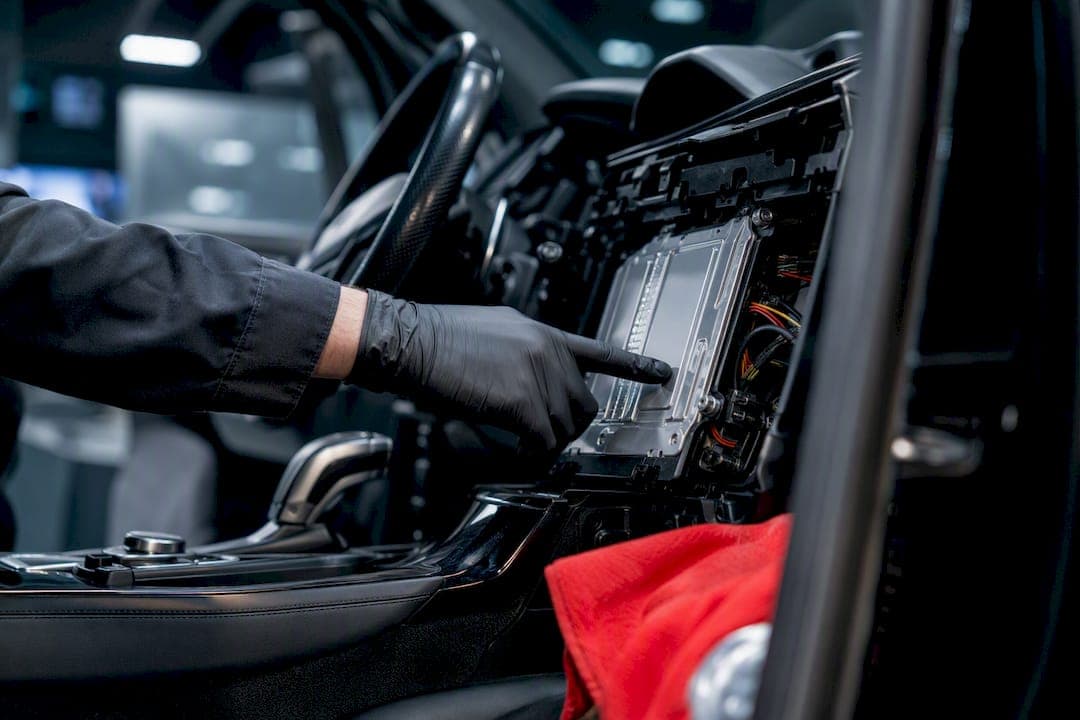
Wrap coverage is a vehicle service contract that fills gaps left by your factory warranty by covering non-powertrain components while your powertrain warranty remains active. It makes the most financial sense for owners keeping a vehicle past factory coverage, especially high-tech or high-end models like a Porsche 911 or Range Rover with complex electronics prone to expensive repairs. Extended warranty providers offer tiered plans built around exactly this kind of gap coverage.
TL;DR:
- Wrap coverage is most valuable for owners of high-tech or luxury vehicles with electronic or complex mechanical systems, especially when keeping the car beyond factory warranty periods.
- It typically covers electronics, climate control, suspension, steering, and braking systems, but excludes cosmetic items, tires, fluids, and batteries.
- Purchasing wrap coverage too early results in overlapping protection, making it a waste, so owners should buy within six months of factory warranty expiration.
- The cost varies based on vehicle make, model, mileage, deductible choice, and contract length, with higher-end models generally costing more to insure.
- Confirm the contract's activation date and review exclusions carefully to avoid coverage gaps and denied claims during repairs.
Table of Contents
- What Wrap Coverage Is and How It Actually Works
- What's Covered and What Gets Left Out
- Which Vehicles and Owners Get the Most Value
- When to Buy: Avoiding Duplicate Coverage
- What Drives the Price and Deductible
- Reading the Contract: Six Questions to Ask Before You Sign
- How Rpmwarranty's Plans Line Up With Wrap Coverage
- The Real Decision Rule Behind Wrap Coverage
- Get a Free Quote and Compare Coverage Levels
- Where to Verify This Information
- Sources
- FAQ
What Wrap Coverage Is and How It Actually Works
Wrap coverage sits in the middle of a three-tier system. Powertrain-only coverage protects the engine, transmission, and drivetrain, the parts most likely to fail catastrophically but the narrowest slice of what can actually break. Full exclusionary coverage covers everything except a short, named list of exclusions, similar to your original factory bumper-to-bumper plan. Wrap coverage lives between the two: it "wraps" around your existing powertrain warranty, covering the electronics, comfort systems, and mechanical parts that powertrain plans leave out.

Legally, wrap coverage is a vehicle service contract, not a manufacturer warranty. That distinction matters under Magnuson-Moss Warranty Act guidance from the FTC, which treats service contracts as separate agreements with their own terms, exclusions, and administrators. Some wrap products are dealer-administered and manufacturer-backed; others come from independent third-party administrators. Ask which one you're buying before you sign.
A few structural details worth knowing upfront:
- Wrap coverage typically runs concurrent with your remaining factory powertrain warranty, not after it.
- "Wrap Plus" versions are designed to convert automatically into full exclusionary coverage once the powertrain warranty expires, so you're not shopping for a new plan mid-ownership.
- Term length and mileage caps are set at the contract's start date, not the vehicle's original in-service date, so timing your purchase changes what you actually get.
What's Covered and What Gets Left Out
Wrap plans typically cover the components that don't fall under a powertrain warranty but still cause expensive repair bills. Common covered systems include:
- Infotainment and electronic control modules
- Air conditioning and climate control systems
- Power steering components
- Suspension parts (struts, shocks, control arms)
- Braking systems, excluding normal wear items like pads
- Non-powertrain engine accessories, such as alternators and fuel injection components
On a 2026 Mercedes-Benz S-Class or BMW 7 Series, that electronics list is where the real financial exposure lives. Adaptive suspension modules, driver-assistance sensors, and multi-screen infotainment units routinely cost more to replace than a transmission repair.
Exclusions follow a predictable pattern across most wrap contracts. Cosmetic items (paint, upholstery, trim), consumables (fluids, filters, wiper blades), tires, and in many cases the 12-volt battery are written out of coverage entirely. Cars notes that wrap warranties function best as an extension of the manufacturer's plan, specifically designed to fill the timing gaps that appear when different factory warranties (say, a 3-year bumper-to-bumper and a 5-year powertrain) expire on different schedules.
Pro Tip: Read the exclusions section before the coverage section. A contract's real scope is defined more by what it leaves out than by what it lists as included.
Most wrap plans bundle optional add-ons: roadside assistance, rental car reimbursement during covered repairs, and sometimes wear-and-tear coverage for items that would otherwise age out of a standard contract. None of these are guaranteed, so confirm which extras ship standard versus which cost more.
Which Vehicles and Owners Get the Most Value
Wrap coverage earns its cost fastest on vehicles with dense electronics and complex mechanical systems. A Porsche Taycan's high-voltage battery management electronics, a Range Rover's air suspension network, or a BMW's adaptive drivetrain software all represent repair categories that a powertrain-only warranty simply won't touch. Research from the Federal Reserve Bank of St. Louis frames extended warranty value as a function of ownership length and the probability of an expensive failure. That framing fits wrap coverage well: the longer you keep the car and the more electronically complex it is, the better the math works.
Scenarios where wrap coverage tends to pay off:
- You bought certified pre-owned and want to close gaps between mismatched warranty terms on the powertrain versus the rest of the vehicle.
- You plan to keep the vehicle five years or more, well past the factory bumper-to-bumper window.
- Your vehicle carries advanced driver-assistance systems, air suspension, or hybrid components, like many current Land Rover and Mercedes-Benz models.
Wrap coverage is less compelling in other cases. If you trade vehicles every two or three years and stay inside factory coverage the whole time, you're paying for protection you'll never use. Lower-value vehicles with simpler mechanical layouts, like a base Honda Civic, carry lower repair risk to begin with, so the math shifts. And some manufacturers already offer generous dealer-backed extended coverage that overlaps heavily with what a third-party wrap plan would add.
When to Buy: Avoiding Duplicate Coverage
Buying wrap coverage too early is the single most common way owners waste money on it. If your factory bumper-to-bumper warranty still has two years left, a wrap plan purchased today duplicates protection you're already getting for free. You end up paying premium dollars for coverage that doesn't activate any new protection until your factory plan lapses.
Industry guidance generally points to buying close to your factory warranty's expiration rather than immediately after purchase. Here's a simple sequence to follow:
- Pull your factory bumper-to-bumper and powertrain warranty end dates from your owner's documentation or dealer paperwork.
- Mark a purchase window roughly six months before the bumper-to-bumper coverage expires.
- Confirm the wrap contract's activation date and check for any waiting period before claims can be filed.
- Ask directly whether the new contract's term overlaps with any remaining factory coverage, and if so, by how much.
- Coordinate with your dealer or manufacturer's service department to make sure the transition between plans has no coverage gap.
Pro Tip: Set a calendar reminder for six months before your factory warranty expires. Waiting until the week it lapses risks a coverage gap if the new contract has a 30-day waiting period, which many do.
What Drives the Price and Deductible
Wrap coverage pricing moves on a handful of predictable factors. Vehicle make and model matter most: a Porsche or Land Rover costs more to insure this way than a Honda or Ford, because parts and labor run higher across the board. Mileage at the time of purchase, the coverage tier you pick, your chosen deductible, and the contract term all stack on top of that base cost.
Deductibles can vary widely, with some plans offering no deductible, while others require moderate per-visit amounts. A $0 deductible plan costs more upfront but removes the guesswork from every visit. A $100 or $200 deductible plan lowers the monthly or upfront cost but adds a per-claim expense you need to budget for.
Payment structure changes the total cost too:
- A single upfront premium is usually the cheapest path over the life of the contract.
- Monthly payment plans spread the cost but often include interest or administrative fees.
- Dealer financing rolled into a car loan can quietly inflate the total price through added interest over the loan term.
Ask for the total cost in writing before comparing any two plans, since a lower monthly number can hide a higher lifetime cost.
Reading the Contract: Six Questions to Ask Before You Sign
A wrap contract is a legal document, and the fine print decides whether a claim gets paid or denied. The Consumer Financial Protection Bureau recommends reviewing exclusions, term length, mileage caps, transferability, cancellation and refund terms, and arbitration clauses before signing anything.
Before you buy, get written answers to these six questions:
- Who administers claims, and is the plan backed by the manufacturer or a third-party company?
- What is the complete exclusions list, not just the covered-components summary?
- What is the deductible per visit, and does it change based on the type of repair?
- Is there a waiting period before coverage becomes active?
- Which repair shops are authorized, and can you use an independent mechanic?
- Is the contract transferable if you sell the vehicle before the term ends?
Watch for red flags: vague language around "mechanical breakdown," a refusal to provide the full contract before purchase, or arbitration clauses that waive your right to a lawsuit. FTC consumer guidance on auto service contracts flags exactly this kind of ambiguity as a common source of denied claims. If a seller won't hand over the actual contract language before you pay, walk away.
How Rpmwarranty's Plans Line Up With Wrap Coverage
Some extended warranty providers structure their coverage around multiple tiers suited to different types of vehicles and owners. Plans often include a quote process that factors in a vehicle's year, make, and model rather than applying a flat rate. Repairs may run through a nationwide network of certified mechanics, and plans can include roadside assistance and rental reimbursement depending on the tier selected. For different vehicle owners, the right tier varies, and comparison tools can help reflect those differences.
The Real Decision Rule Behind Wrap Coverage
Buy wrap coverage if you're keeping the car past its factory bumper-to-bumper window and the vehicle carries the kind of electronics or complex systems that turn a routine repair into a four-figure bill. That's the entire calculation. Everything else, deductible size, payment plan, add-on perks, is secondary to that one question.
The mistake I see most often isn't skipping wrap coverage when it would help. It's buying it too early and stacking it on top of factory protection you're already getting for free, then discovering the overlap only when you try to file a claim. Read the activation date before you read anything else in the contract.
— Kenneth
Get a Free Quote and Compare Coverage Levels
If your factory warranty is winding down and your vehicle leans toward the complex end, a Porsche, a Range Rover, a loaded Mercedes-Benz, waiting until something breaks is the expensive way to find out you needed coverage. Quotes for extended warranty coverage are ideally built around your specific year, make, and model rather than a generic estimate, so the number you get better reflects your car's real repair risk.
Getting started takes a few minutes:
- Request a free quote based on your vehicle's exact specifications.
- Compare Elite, Advanced, and Essential tiers side by side to see which matches your ownership plan.
- Talk to an advisor about timing your purchase around your current factory coverage.
Porsche owners specifically can review plan details built around their model at the Porsche extended warranty page, and every quote starts with a no-obligation look at your options through Rpmwarranty.
Where to Verify This Information
- CFPB service contract overview: consumer protections to check before buying.
- Cars: explains how wrap coverage fills gaps between warranty terms.
- Infiniti CPO wrap plan example: a manufacturer illustration of expanded wrap-style terms.
Sources
- Cars
- What is an extended warranty or vehicle service contract? — Consumer Financial Protection Bureau
- Used car extended warranties: Worth it or a waste? — Dr. Vin
FAQ
What does wrap warranty cover?
Wrap warranty typically covers non-powertrain systems like electronics, infotainment, air conditioning, steering, suspension, and braking components, while excluding cosmetic items, consumables, and tires.
Is wrap coverage worth it?
It's usually worth it for owners keeping a vehicle past the factory bumper-to-bumper period, especially on high-tech or high-end models like a BMW, Mercedes-Benz, or Range Rover where electronic repairs run expensive.
Does wrapping your car affect your warranty?
A vinyl wrap applied to your vehicle's exterior is a different product entirely from wrap coverage warranties and generally doesn't void a factory warranty unless the installation itself damages a covered component.
How is wrap coverage different from powertrain-only coverage?
Powertrain coverage protects the engine, transmission, and drivetrain, while wrap coverage adds protection for electronics, comfort systems, and other mechanical parts that powertrain plans leave out.
When should I buy wrap coverage to avoid overlap?
Buy roughly six months before your factory bumper-to-bumper warranty expires, and confirm the new contract's activation date to prevent paying for coverage you already have through the manufacturer.