

TL;DR:
- Extended auto warranties extend repair coverage beyond factory warranties and protect owners from high repair costs. They range from $1,300 to $4,000 and include various coverage levels, with exclusionary plans offering broader protection. Properly choosing and managing a warranty involves verifying providers, understanding contract details, and timing purchases near factory warranty expiration.
An expert auto warranty is a vehicle service contract that extends repair coverage beyond the original factory warranty, protecting vehicle owners from the high cost of unexpected mechanical failures. The industry standard term for this product is a "vehicle service contract," though "extended warranty" is the phrase most vehicle owners use when shopping. Extended warranties typically cost between $1,300 and $4,000, depending on the vehicle, coverage level, and contract terms. Rpmwarranty offers tiered protection plans, including Elite, Advanced, and Essential, designed to match different budgets and vehicle types. The core benefit is financial predictability: instead of absorbing a $3,000 transmission repair out of pocket, you pay a known deductible and the contract covers the rest.
What coverage options does an expert auto warranty include?
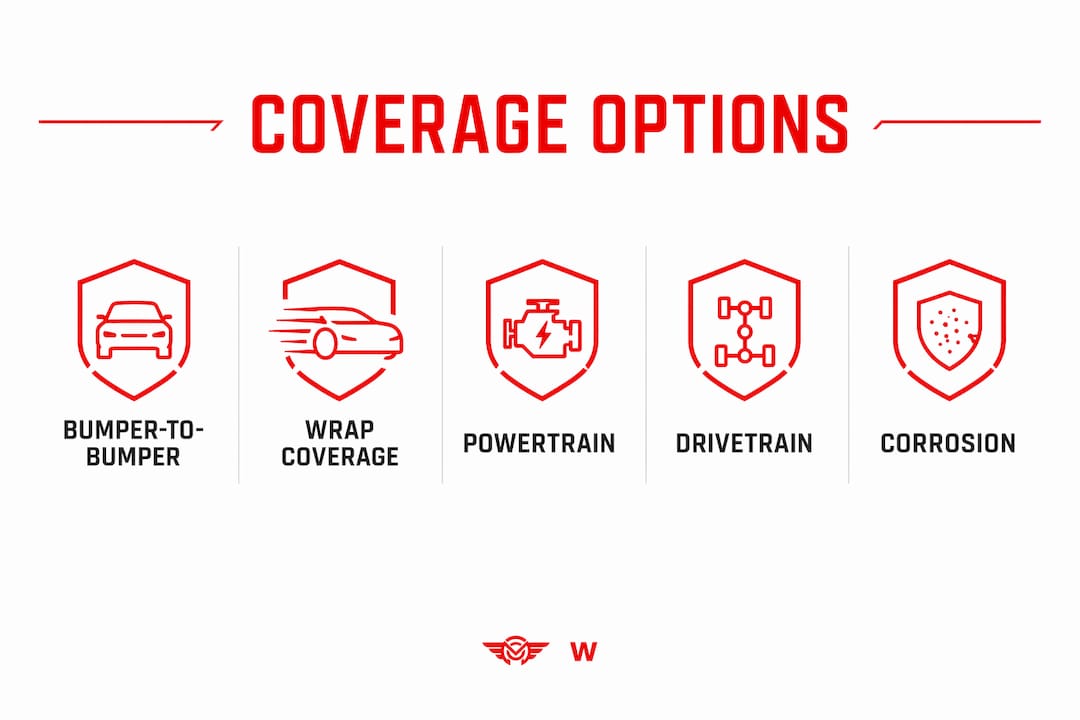
Coverage options in vehicle service contracts fall into five main categories: bumper-to-bumper, powertrain, drivetrain, wrap, and corrosion. Each tier covers a different set of components, and the differences between them are significant enough to change your out-of-pocket costs dramatically.
Bumper-to-bumper coverage
Bumper-to-bumper plans are the most comprehensive tier. They cover nearly all mechanical and electrical systems, from the engine and transmission to the air conditioning and infotainment. This is the closest equivalent to your factory warranty and is typically only available on newer, lower-mileage vehicles.
Powertrain and drivetrain coverage
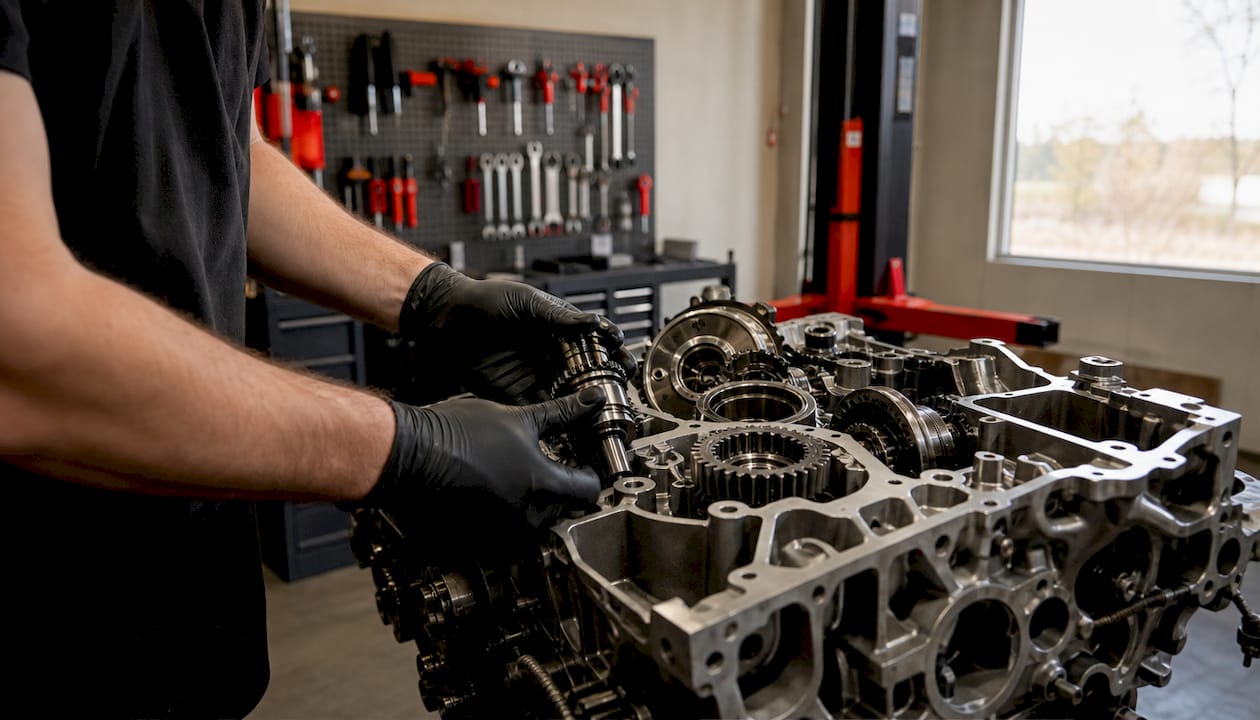
Powertrain coverage focuses on the engine, transmission, and the components that transfer power to the wheels. Drivetrain coverage is slightly narrower, covering the transmission, driveshaft, and axles but often excluding the engine itself. Both tiers are common on higher-mileage vehicles where bumper-to-bumper coverage is no longer available.
Wrap and corrosion coverage
Wrap coverage sits between bumper-to-bumper and powertrain. It "wraps around" a powertrain plan by adding coverage for electrical systems, air conditioning, and steering. Corrosion coverage is a separate, specialized plan that addresses rust and structural deterioration, which is particularly relevant for vehicles in northern states where road salt accelerates metal decay.
What is typically excluded
Every plan excludes certain items. Standard exclusions across all tiers include:
- Routine maintenance items: oil changes, filters, brake pads, and tires
- Wear-and-tear parts: belts, hoses, wiper blades, and clutch components
- Pre-existing conditions present before the contract start date
- Damage from accidents, floods, or misuse
- Electronic and software components such as infotainment systems, cameras, and sensors often excluded even when factory coverage included them
That last exclusion surprises many BMW, Mercedes, and Range Rover owners. These vehicles carry sophisticated driver-assistance systems and embedded electronics that can cost thousands to repair. Confirming whether your plan covers these components before signing is non-negotiable.
Pro Tip: Ask for a sample contract before you commit. A reputable provider will send one without hesitation. If they refuse, walk away.
How much does an expert auto warranty cost?
Extended vehicle warranties cost between $1,300 and $4,000 for most vehicle owners. That range is wide because pricing depends on several variables that interact with each other.
The primary factors that drive cost include:
- Vehicle make and model: A Porsche Cayenne or BMW 7 Series costs significantly more to cover than a Honda Civic because parts and labor rates are higher.
- Vehicle age and mileage: Older vehicles with higher mileage carry more risk for the warranty provider, which raises the premium.
- Coverage level: Bumper-to-bumper plans cost more than powertrain-only plans.
- Contract length: A five-year plan costs more upfront than a two-year plan, though the per-year cost may be lower.
- Timing of purchase: Buying near the end of your factory warranty typically yields better pricing and avoids overlap.
One of the most expensive mistakes vehicle owners make is rolling the warranty cost into a car loan. Financial experts warn that this practice can result in a 200% to 400% markup over the loan term due to compounding interest. A $2,000 warranty financed at a typical auto loan rate over five years can cost $4,000 or more by the time the loan is paid off. That markup makes the warranty a poor value in most cases.
A practical alternative is a dedicated repair savings fund. Setting aside $100 to $150 per month into a separate account builds a meaningful repair buffer within 18 months. This approach works well for owners of highly reliable vehicles, but it does not provide the same immediate protection that a service contract offers on day one.
Pro Tip: If you decide to purchase a warranty, pay for it separately rather than financing it through the dealership. You will almost always pay less in total.
What contract pitfalls should you watch out for?
The contract is where most vehicle owners get into trouble. A warranty that sounds comprehensive in a sales call can contain exclusions that make it nearly worthless when you actually need it.
Inclusionary versus exclusionary contracts
The single most important contract distinction is whether the plan is inclusionary or exclusionary. An inclusionary contract lists every covered component. If a part is not on the list, it is not covered. An exclusionary contract covers everything except what is specifically listed as excluded. Exclusionary contracts provide broader protection and are the standard recommended by warranty industry professionals. Rpmwarranty structures its plans as exclusionary contracts, which reduces the risk of claim denials on unlisted parts.
Maintenance record requirements
Many contracts require that you follow the manufacturer's maintenance schedule exactly and keep verifiable records. Failure to provide maintenance records is one of the most common reasons legitimate claims get denied. If your engine fails and you cannot prove you changed the oil on schedule, the provider may deny the claim entirely. Keep every oil change receipt, every service invoice, and every dealer visit record from the day you purchase the contract.
Obligor and backup insurer verification
The California Department of Insurance advises vehicle owners to verify the obligor and confirm that a backup insurer exists before signing any vehicle service contract. The obligor is the company legally responsible for paying your claims. If that company becomes insolvent, a backup insurer steps in to honor the contract. Without a backup insurer, your coverage disappears if the warranty company goes out of business.
Other contract details to review carefully
- Deductible structure: Some contracts charge a deductible per visit, others per repair. A per-repair deductible can multiply costs if multiple systems fail during the same shop visit.
- Repair facility restrictions: Some plans require you to use specific shops. Others allow any licensed repair facility. Confirm this before signing, especially if you have a trusted independent mechanic.
- Claims pre-authorization: Most contracts require you to call the warranty company before authorizing any repair. Skipping this step, even in an emergency, can void the claim.
- Transferability: A transferable warranty adds resale value to your vehicle. Confirm whether your plan transfers to a new owner and whether a transfer fee applies.
- Cancellation policy: Reputable providers offer a prorated refund if you cancel early. Avoid contracts with no cancellation option.
Pro Tip: Read the exclusions section of the contract first, not the coverage section. The exclusions tell you what the contract actually does not cover, which is the information that matters most.
When is buying an extended vehicle warranty a smart financial decision?
The decision to buy a vehicle service contract is a financial calculation, not an emotional one. The right answer depends on your specific vehicle, your mileage habits, and how long you plan to keep the car.
An extended warranty makes strong financial sense in these situations:
- You plan to keep the vehicle beyond 80,000 miles. Mechanical failures become more frequent and more expensive past this threshold, and experts advise considering coverage for owners who drive long term.
- You own a higher-end vehicle with costly repair bills. A BMW 5 Series transmission replacement can exceed $5,000. A Range Rover air suspension repair can run $3,000 or more. A Mercedes S-Class electrical system diagnosis alone can cost $500 before any parts are ordered. For these vehicles, a $2,500 warranty contract is often a genuine bargain.
- Your factory warranty is about to expire. Buying near warranty expiration avoids paying for overlapping coverage and typically gives you access to the best pricing before mileage limits reduce your options.
- You cannot absorb a large, unexpected repair bill. If a $4,000 repair would create serious financial hardship, a service contract provides meaningful protection.
An extended warranty is a weaker financial bet in these situations:
- You own a vehicle with a strong reliability record. Buying extended coverage for vehicles with a low statistical probability of needing expensive repairs is often a costly mistake. Honda Civic and Toyota Camry owners, for example, may find that a dedicated repair fund outperforms a warranty contract over a five-year period.
- You plan to sell the vehicle within two years. The upfront cost rarely pays off in a short ownership window unless the plan is fully transferable and adds meaningful resale value.
- You are buying coverage too early. Purchasing a service contract years before your factory warranty expires means paying for duplicate coverage. Time the purchase carefully.
Porsche, Ford F-150, and Honda Pilot owners each face different risk profiles. A Porsche Panamera owner faces repair bills that can dwarf the warranty premium. A Ford F-150 owner with a high-mileage work truck faces frequent use that accelerates wear. A Honda Pilot owner may find the vehicle reliable enough that a repair fund is the better choice. The vehicle determines the math.
How do you select and use an extended warranty effectively?
Choosing the right warranty provider requires the same diligence you would apply to any significant financial contract. The sales process for vehicle service contracts is aggressive, and high-pressure tactics are common.
Follow these steps to protect yourself:
- Verify the provider's licensing. Confirm that the company is licensed to sell service contracts in your state. State insurance departments maintain public records of licensed providers.
- Confirm the obligor and backup insurer. Ask for the obligor's name in writing and verify that a licensed insurance company backs the contract.
- Choose an exclusionary contract. As noted, exclusionary plans cover more components and generate fewer claim disputes than inclusionary plans.
- Understand the claims process before you need it. Know the pre-authorization number, the required documentation, and the approved repair facility list before your car breaks down.
- Keep all maintenance records. Store receipts digitally and in paper form. A single missing oil change record can justify a claim denial.
- Check transferability and cancellation terms. A transferable plan with a prorated cancellation refund protects your investment if your plans change.
Pro Tip: Never buy a warranty under time pressure. Any provider that tells you the offer expires today is using a sales tactic. Reputable providers give you time to read the contract.
Purchasing directly from a warranty administrator rather than through a dealership intermediary can also reduce costs. Transaction structure matters: intermediaries add markup, and that markup can be substantial. Rpmwarranty operates with a transparent four-step process, covering consultation, plan selection, customization, and final agreement, which reduces the number of hands the contract passes through before reaching you.
Key Takeaways
The most reliable approach to an expert auto warranty is to choose an exclusionary contract from a licensed provider, verify the obligor and backup insurer, and time the purchase near your factory warranty expiration to avoid overlap and maximize value.
| Point | Details |
|---|---|
| Choose exclusionary contracts | Exclusionary plans cover everything except listed exclusions, reducing claim denials significantly. |
| Verify the obligor | Confirm the company legally responsible for claims and that a backup insurer exists before signing. |
| Time your purchase carefully | Buy near factory warranty expiration to avoid overlap and access the best available pricing. |
| Keep maintenance records | Missing service records are the most common reason legitimate warranty claims get denied. |
| Avoid financing the warranty | Rolling the cost into a car loan can add 200% to 400% in interest markups over the loan term. |
What I have learned after years of watching warranty decisions go wrong
The most consistent mistake I see vehicle owners make is buying a warranty based on the monthly premium rather than the contract quality. A $60-per-month plan sounds reasonable until you read the exclusions and realize it only covers the engine and transmission on a vehicle where the most likely failures are electrical.
The second mistake is buying coverage on vehicles that simply do not need it. A well-maintained Honda CR-V with 60,000 miles on a five-year-old platform has a strong reliability record. Spending $2,000 on a service contract for that vehicle is often a transfer of wealth from you to the warranty company. The math rarely works in your favor on vehicles with low failure rates.
Where I have seen warranties deliver genuine value is on higher-end European vehicles. A Mercedes GLE, a BMW X5, or a Range Rover Sport can generate repair bills that shock even experienced vehicle owners. The air suspension on a Range Rover alone is a $2,500 to $4,000 repair. The transfer case on a BMW xDrive model can run $3,000 or more. For these vehicles, a well-structured exclusionary contract from a reputable provider is not a luxury. It is a rational financial decision.
My strongest advice is this: build a repair fund regardless of whether you buy a warranty. A $100-per-month savings habit gives you negotiating power and a financial cushion that no contract can replicate. Use the warranty for catastrophic protection. Use the fund for everything else. The two tools work better together than either does alone.
— Kenneth
Rpmwarranty's protection plans worth considering
Vehicle owners who want transparent, exclusionary coverage without the dealership markup have a direct option worth reviewing.
Rpmwarranty offers three tiered protection plans covering engines, transmissions, cooling systems, electrical systems, and high-tech components. The Elite plan provides the broadest exclusionary coverage, while the Advanced and Essential plans offer targeted protection at lower price points. Every plan includes roadside assistance and nationwide repair network access. The claims process is straightforward: call for pre-authorization, visit an approved facility, pay your deductible, and Rpmwarranty handles the rest. Vehicle owners can get a free personalized quote based on their specific year, make, and model, with no obligation to purchase.
FAQ
What is an expert auto warranty?
An expert auto warranty is a vehicle service contract that extends repair coverage beyond the original factory warranty. It covers specified mechanical failures in exchange for a premium and a deductible at the time of repair.
How much does an extended vehicle warranty cost?
Extended warranties typically cost between $1,300 and $4,000, depending on the vehicle's make, model, age, mileage, and the coverage level selected.
What is the difference between an inclusionary and exclusionary contract?
An inclusionary contract covers only the parts listed in the contract. An exclusionary contract covers everything except the parts specifically listed as excluded, making it the broader and more protective option.
Should I buy a warranty for a BMW or Mercedes?
Yes, in most cases. Higher-end vehicles like BMW, Mercedes, and Range Rover carry repair costs that frequently exceed the price of the warranty contract itself, making coverage a sound financial decision for long-term owners.
Can a warranty claim be denied for missing maintenance records?
Yes. Many contracts require verifiable maintenance records following the manufacturer's schedule. A missing oil change receipt or skipped service interval can give the provider grounds to deny an otherwise valid claim.