

TL;DR:
- Most auto insurance policies exclude coverage for normal wear and tear, which includes expected deterioration from regular use.
- Lease agreements define acceptable wear limits and vary widely between lessors, making documentation and protection plans essential for avoiding costly charges.
Most vehicle owners assume their auto insurance or lease agreement automatically handles normal deterioration over time. That assumption gets expensive fast. Understanding what is wear and tear coverage, and more importantly what it does not cover, can save you hundreds or even thousands of dollars whether you own, lease, or plan to buy. This article cuts through the confusion, defines the key terms you need to know, explains how insurance and warranties treat wear and tear differently, and gives you a practical framework for protecting your wallet at lease return or repair time.
Table of Contents
- Key takeaways
- What is wear and tear coverage, exactly
- How insurance and warranties treat wear and tear
- Financial impact on ownership, leasing, and repairs
- Common wear and tear items by coverage type
- My honest take on navigating wear and tear
- Protect yourself before the bill arrives
- FAQ
Key takeaways
| Point | Details |
|---|---|
| Insurance excludes normal wear | Auto insurance covers sudden accidental damage, not gradual deterioration like worn brake pads or faded upholstery. |
| Leases define "acceptable" wear | Each lessor sets its own standards, so damage that is free on one lease may trigger fees on another. |
| Protection plans fill the gap | Wear and tear protection plans can offset lease-end charges, sometimes up to $5,000 in covered repairs. |
| Documentation is your defense | Photos and maintenance records are the strongest tools you have when disputing excess wear charges. |
| Fine print determines coverage | Coverage for wear and tear varies significantly between insurance, warranties, and protection plans. |
What is wear and tear coverage, exactly
The phrase "wear and tear" gets used constantly, but rarely defined clearly. Normal wear and tear refers to the gradual, expected deterioration that happens to any vehicle through everyday use. Think fading paint from sun exposure, minor scuffs on door panels, or slightly worn floor mats. These are the inevitable byproducts of simply driving and using your car.
Excess wear and tear is a different story entirely. Excess wear means damage beyond normal use, including deep scratches, significant dents, cracked windshields, bald tires, and interior stains that did not result from typical daily use. Lease agreements use this distinction to determine what you pay when you return a vehicle.
So where does "coverage" come in? Wear and tear coverage, when it exists, refers to a product or policy provision that pays for some or all of the costs associated with these deterioration-related damages. The critical word is "when it exists." Standard auto insurance does not include this. Most factory warranties do not either. You have to seek it out specifically, usually in the form of a wear and tear protection plan offered through a dealer, leasing company, or extended warranty provider.
Here is a quick breakdown of what typically falls into each category:
Normal wear and tear (generally not chargeable):
- Light surface scratches that buff out easily
- Minor interior scuffs and light carpet wear
- Small stone chips on the hood or front bumper
- Slightly worn brake pads at the end of a standard lease term
Excess wear and tear (typically chargeable or claimable):
- Dents larger than a quarter or multiple smaller dents
- Deep paint scratches that reach the metal
- Cracked or chipped windshields not repaired before return
- Stained, torn, or burned upholstery
- Tires worn below the minimum tread depth
Pro Tip: Before signing any lease, ask the leasing company to show you their written standard for acceptable wear and tear. Get it in writing, not just a verbal reassurance from the sales rep.
Lease standards vary by lessor, which means the same scuff on a returned BMW 3 Series might be ignored by one company and charged at $150 by another. That variability is exactly why understanding wear and tear coverage before you sign matters so much.
How insurance and warranties treat wear and tear
Here is a fact that surprises a lot of vehicle owners: your auto insurance policy is specifically designed to exclude wear and tear. Insurance excludes wear and tear to avoid covering predictable losses. If insurers paid for every brake pad, timing belt, and weather-cracked door seal, premiums would skyrocket because these losses are guaranteed to happen eventually.
Auto insurance exists to cover sudden, unforeseen events. A hailstorm. A collision. Vandalism. Not the slow, predictable aging of your vehicle's components. Insurance policies exclude worn parts like brake pads or drive belts no matter how old your car is, because those parts were always going to need replacement.
Warranties sit in a gray area. Here is how the coverage typically breaks down:
- Factory warranty. Covers manufacturing defects for a set period. Does not cover parts that wear out as designed, like brake pads, clutches, or wiper blades.
- Powertrain warranty. Focused on engine and transmission integrity. Excludes components subject to routine wear, such as belts, hoses, and filters.
- Extended warranty or service contract. Coverage depends on the plan tier. Some plans cover more components, but extended warranties usually exclude wear and tear items unless a defect is specifically proven. Review the exclusionary warranty details before assuming a part is covered.
- Wear and tear protection plan. This is the one product specifically designed to cover deterioration-related costs, usually in a lease context. Coverage limits vary by provider.
"The fine print is not just legal boilerplate. It is the actual agreement you will rely on when a claim is denied. Reading your warranty or lease policy before you need to file a claim is not optional. It is financial self-defense."
Insurance companies may also use wear and tear arguments to challenge claims on older vehicles. Denied claims often hinge on whether damage had multiple causes, one of which was preexisting deterioration. A cracked bumper after a minor fender-bender might get partially denied if the adjuster argues the plastic was already brittle from age and sun exposure. Understanding this possibility puts you in a better position to document and dispute effectively.
Financial impact on ownership, leasing, and repairs
The moment where wear and tear coverage becomes very real for most people is lease return day. You pull up expecting to hand over the keys and walk away. Instead, you get a bill for $800 in excess wear charges you did not expect. This scenario plays out constantly, and it is almost always preventable.
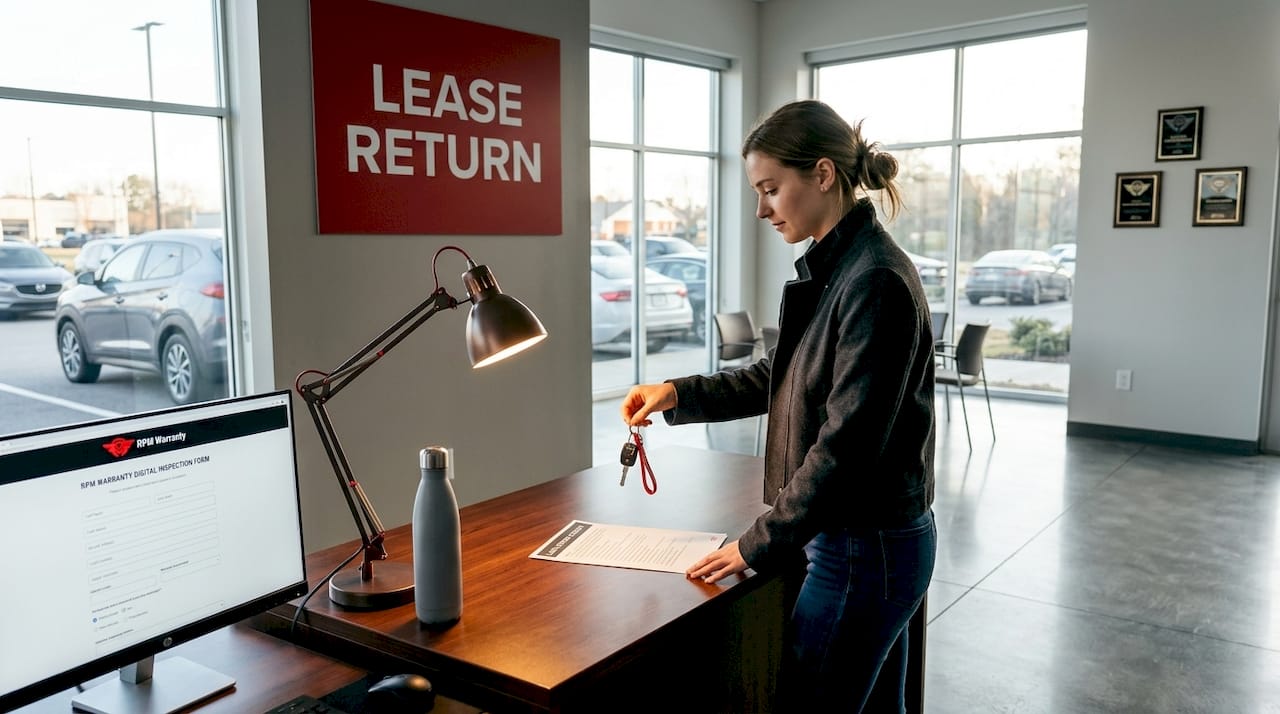
Lease-end excess wear charges typically cover cosmetic damage, tire condition, and interior issues. Lease agreements spell out what is acceptable, but many drivers never read those sections carefully. The result is sticker shock when the inspection report arrives.
How to manage lease-end wear costs effectively:
| Strategy | What it involves | Potential savings |
|---|---|---|
| Pre-return inspection | Hire an independent inspector 30 days before lease end | Identify and fix issues on your terms, not the lessor's |
| DIY repairs before return | Touch-up paint, professional dent repair, tire replacement | Often cheaper than dealer charges for the same work |
| Wear and tear protection plan | Purchase at lease signing; covers excess charges up to a set limit | Can offset up to $5,000 in lease return fees |
| Photographic documentation | Photograph every panel and interior surface at lease signing and regularly | Creates a baseline to dispute inflated charges |
| Maintenance records | Keep all oil change and service receipts | Supports argument that vehicle was properly maintained |
Protection plans cover repair costs for stains, chips, and dents that would otherwise result in lease return fees, which makes them worth considering at the start of a lease rather than scrambling at the end.
Pro Tip: If you drive a luxury vehicle like a Range Rover, Mercedes-Benz GLE, or Porsche Cayenne on a lease, the excess wear thresholds can be far stricter and the per-item repair charges significantly higher than standard vehicles. A wear and tear protection plan is not a luxury for these drivers. It is a smart financial decision.
One often-overlooked strategy is treating minor cosmetic damage throughout the lease term rather than letting small chips become larger rust spots or surface damage worsen over three years. A $15 touch-up pen used early beats a $300 paint repair charge at lease end by a wide margin. Staying on top of routine vehicle maintenance also gives you documented proof that you cared for the vehicle properly, which matters during dispute conversations.
Common wear and tear items by coverage type
Not all vehicle components are treated equally across insurance, warranty, lease, and protection plan agreements. The table below breaks down how common wear items are typically handled across each protection type.
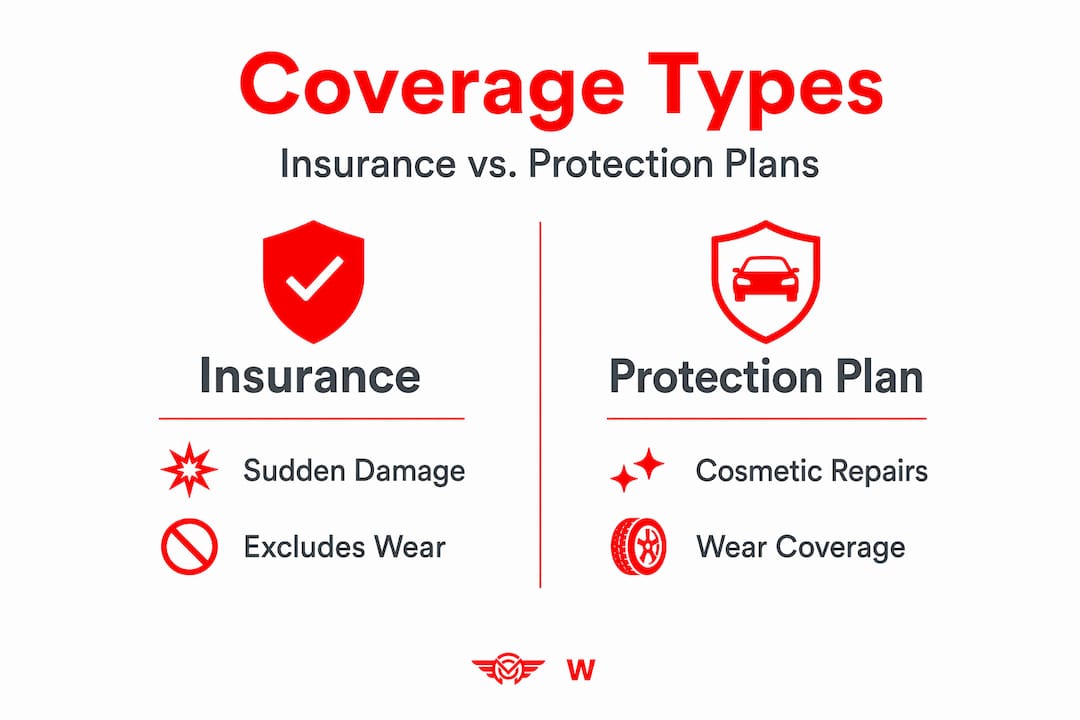
| Item | Auto insurance | Factory/extended warranty | Lease agreement | Wear and tear protection plan |
|---|---|---|---|---|
| Brake pads | Not covered | Not covered (routine wear) | Not charged if within normal wear | Varies by plan |
| Tires (worn) | Not covered | Not covered | Charged if below minimum tread | Some plans include tire coverage |
| Windshield chips or cracks | Covered under comprehensive | Not covered | Charged at lease end | Often covered |
| Upholstery stains or tears | Not covered | Not covered | Charged if excessive | Often covered |
| Deep paint scratches | Covered only if from a covered event | Not covered | Charged based on size and depth | Often covered |
| Dents (minor) | Covered only if from a covered event | Not covered | May or may not be charged | Often covered |
| Wiper blades | Not covered | Not covered | Not inspected | Typically excluded |
| Mechanical breakdown (non-wear) | Not covered | Covered under warranty terms | Not applicable | Not applicable |
For vehicles like a BMW 5 Series, Mercedes-Benz E-Class, Porsche Panamera, or Range Rover Sport, the cosmetic repair costs are substantially higher than for mainstream vehicles. A door ding on a Honda Accord might cost $150 to fix. The same ding on an Audi A8 with aluminum body panels can run $500 or more. Cosmetic deterioration gets scrutinized more intensely at lease return because it is both visible and expensive to repair on premium vehicles.
The mechanical side of wear and tear, things like engine wear, transmission slippage over time, or electrical system degradation, falls more squarely into extended warranty territory. Understanding engine warranty coverage helps you identify where your protection starts and where it stops. For mechanical wear not covered by a manufacturer warranty, extended plans from providers like Rpmwarranty are specifically designed to step in and cover what your factory coverage leaves out.
Warranty fine print determines whether a given repair counts as a covered defect or an excluded wear item, and this distinction can mean the difference between a $0 claim and a $2,000 out-of-pocket expense.
My honest take on navigating wear and tear
I have looked at a lot of lease agreements and warranty documents, and the single biggest mistake I see vehicle owners make is treating these as background paperwork rather than contracts with real financial consequences.
In my experience, the "excess wear" section of a lease is the most overlooked and most expensive section of the entire agreement. People spend hours negotiating the monthly payment and then never read the three paragraphs that explain exactly what they will owe at the end. The financial exposure in those paragraphs often exceeds what they saved in negotiations.
What I have found actually works: photograph your vehicle at every major life event. When you get the car. After every parking lot encounter. Seasonally. Photo documentation and maintenance records are not just good habits. They are your negotiating tools when an inspector marks up charges you believe are unfair.
I also think protection plans get dismissed too quickly as unnecessary add-ons. If you are leasing a Ford Explorer, a Honda Pilot, or especially a luxury vehicle, a wear and tear protection plan purchased at signing shifts the financial risk from you to the plan provider. Given that coverage limits can reach $5,000, the math often works in your favor, particularly on longer lease terms or higher-end makes.
The most important lesson? Do not assume anything is covered. Ask directly. Get it in writing. And if you are purchasing an extended warranty, use a resource like custom coverage options to build a plan that actually reflects how you use your vehicle, not a generic template.
— Kenneth
Protect yourself before the bill arrives
If reading this article made you realize there are gaps in your current vehicle protection, you are not alone. Most drivers discover what wear and tear actually means only after receiving an unexpected charge. Rpmwarranty offers extended vehicle protection plans built to cover what standard insurance and factory warranties leave out, from mechanical breakdowns to high-tech electrical components.
Whether you drive a Ford, Honda, BMW, Mercedes-Benz, Range Rover, or Porsche, Rpmwarranty tailors coverage to your specific vehicle's year, make, and model. Plans include the Elite, Advanced, and Essential tiers, so you can match coverage depth to your budget and driving habits. Getting a free quote takes minutes, and the consultation process walks you through exactly what each plan covers before you commit. Do not wait until lease-end or a repair bill to find out where your protection stops.
FAQ
What does wear and tear coverage actually cover?
Wear and tear coverage, typically offered as a protection plan, covers cosmetic damage like dents, stains, chips, and scratches that result from normal vehicle use and would otherwise trigger fees at lease return or require out-of-pocket repair costs.
Does wear and tear coverage exist in standard auto insurance?
No. Standard insurance excludes normal wear and tear because insurance is designed for sudden, unforeseen losses, not the predictable deterioration every vehicle experiences over time.
What is excess wear and tear on a leased vehicle?
Excess wear and tear refers to damage beyond what the lease agreement defines as acceptable, such as deep scratches, bald tires, cracked glass, and significant interior stains, and it results in fees charged at vehicle return.
Do extended warranties cover wear and tear items?
Most extended warranties exclude routine wear items like brake pads, belts, and tires, though some comprehensive plans cover mechanical failures that are not attributable to normal use. Reading the fine print is the only way to know for certain.
How can I avoid unexpected wear and tear charges at lease end?
Document your vehicle condition with photos throughout the lease, keep up with scheduled maintenance, consider purchasing a wear and tear protection plan at lease signing, and schedule a pre-return inspection at least 30 days before your lease expires.