

TL;DR:
- Nearly one in five warranty claims are denied, often due to exclusions and improper maintenance.
- Understanding warranty coverage limits and document keeping are crucial for maximizing benefits.
- Reputable extended warranties can provide valuable protection for high-mileage or unreliable vehicles.
Most drivers assume their warranty is a safety net that catches almost every breakdown. The reality is more complicated. The average approved claim payout was $4,127 in 2022, which sounds reassuring until you realize that 22.4% of all warranty claims were denied that same year. That gap between what you expect and what you actually receive can leave you stuck with a repair bill you thought was covered. This guide breaks down how warranties actually work, what gets denied, and how to use coverage the right way.
Table of Contents
- What do auto warranties actually cover?
- Types of coverage: Manufacturer vs. extended warranties
- Limits and exclusions: Why some claims are denied
- Cost vs. benefit: When warranty coverage truly pays off
- A smarter way to approach breakdown protection
- Get reliable warranty protection for your vehicle
- Frequently asked questions
Key Takeaways
| Point | Details |
|---|---|
| Coverage varies widely | Manufacturer and extended warranties differ in scope and duration, impacting what breakdowns are covered. |
| Claims are often denied | Over 22% of claims face denial due to exclusions, missed maintenance, or aftermarket modifications. |
| Cost-benefit depends on your vehicle | Extended coverage can pay for itself with high-risk or unreliable vehicles but may cost more than repairs for others. |
| Maintenance records are vital | Tracking service history and following coverage rules dramatically reduces denial risk. |
| Smart protection beats blind purchase | Reading the fine print and knowing your risk profile are more effective than simply buying any warranty. |
What do auto warranties actually cover?
A warranty is essentially a promise. The company or dealer agrees to pay for specific repairs if certain parts fail under certain conditions. But that promise has boundaries most drivers never read carefully until something goes wrong.
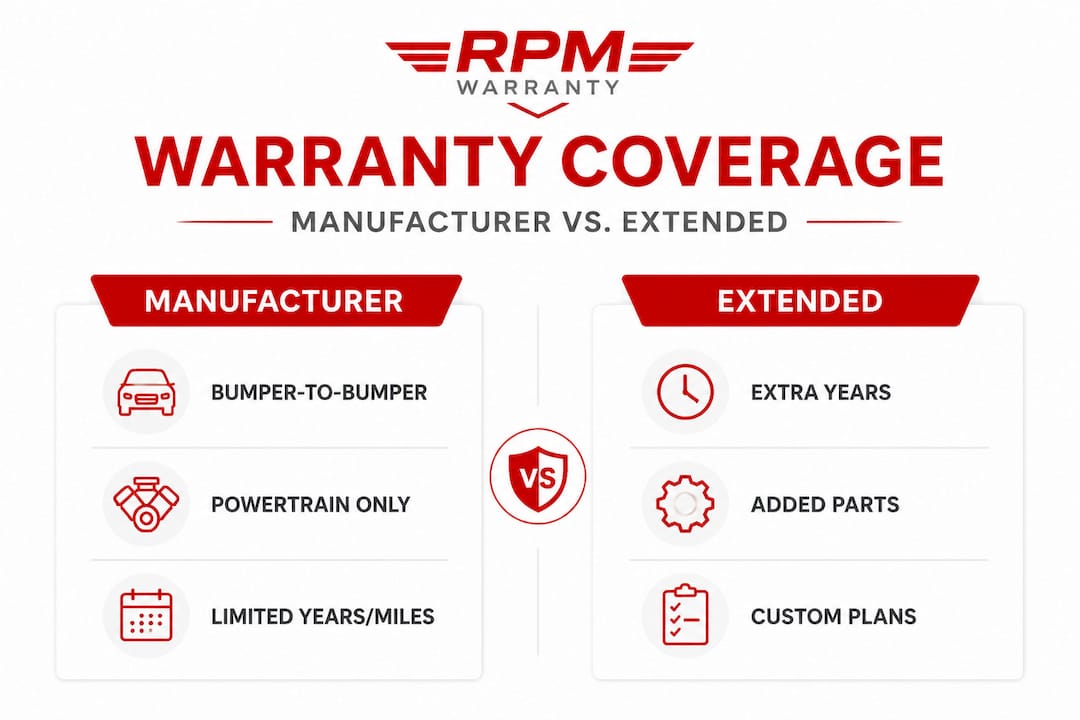
At the core, vehicle warranties protect against mechanical or electrical failures caused by manufacturing defects. If a component breaks because it was built incorrectly or failed prematurely, that's a covered event. If a part wears out because you've driven 80,000 miles on it, that's generally not covered. The distinction between a defect and normal wear is where most confusion starts.
Here's what's typically included in a standard warranty:
- Parts and labor costs for covered repairs
- Towing if the vehicle can't be driven to a repair facility
- Rental car assistance during covered repairs (varies by plan)
- Roadside assistance for breakdowns away from home
- Engine and transmission repairs caused by internal defects
Coverage doesn't last forever. Basic factory warranties last for a set period or mileage, whichever comes first. A common example is 3 years or 36,000 miles for bumper-to-bumper coverage, and 5 years or 60,000 miles for powertrain. Once you hit either limit, factory coverage stops entirely.
Pro Tip: Always check the exact mileage and date limits on your warranty documents when you buy a vehicle. Many owners assume coverage lasts longer than it actually does, and they're caught off guard when a repair claim is declined.
Extended warranties (also called service contracts) are separate products that pick up after your factory coverage ends. They come in different tiers and are priced based on your vehicle's age, mileage, and make. Understanding warranty features for peace of mind before you buy helps you match the right plan to your actual risk level. Some extended plans are exclusionary car warranties, meaning they cover everything except a specific list of items, which is often the broadest protection you can get.
Types of coverage: Manufacturer vs. extended warranties
Now that you know what warranties promise, let's break down how factory and extended contracts differ and which parts they actually protect.
Factory warranties come standard with new vehicles and are backed by the manufacturer. They're designed to protect buyers during the early ownership years when defects are most likely to surface. Once the vehicle ages or accumulates mileage, factory coverage runs out and repair risk shifts entirely to you.
Extended warranties kick in after factory coverage expires and generally offer three distinct tiers of protection:
| Coverage tier | What it includes | Best for |
|---|---|---|
| Powertrain | Engine, transmission, drivetrain | Budget-conscious buyers, older vehicles |
| Exclusionary | Most components except a listed exclusion set | High-mileage vehicles needing broad coverage |
| Bumper-to-bumper | Broadest coverage, similar to factory warranty | Nearly new or certified pre-owned vehicles |
Choosing the right tier depends on a few key factors:
- Vehicle age and mileage. Older vehicles with over 60,000 miles tend to benefit most from exclusionary or powertrain coverage because those are the systems most likely to fail.
- Brand reliability. Some manufacturers build vehicles that age more reliably than others. If you drive a brand with a history of transmission or electrical problems, broader coverage makes financial sense.
- How long you plan to keep the vehicle. If you're planning to sell in two years, a short-term plan may be all you need. If you're driving it into the ground, a longer contract protects you through the most expensive repair years.
Understanding why you need warranty after factory coverage matters especially for vehicles entering the 75,000 to 150,000 mile range, where mechanical failures become statistically more frequent and more expensive to fix. It also helps to look at choosing warranty by year as a framework, since a vehicle's model year and age play heavily into what coverage makes sense.
If you're comparing specific plans side by side, reviewing a factory vs. extended warranty comparison can help clarify which option gives you the most practical protection for your situation.
Limits and exclusions: Why some claims are denied
Understanding coverage tiers is only half the battle. Warranty exclusions and fine print can leave you exposed if you're not vigilant.
The most striking statistic in warranty coverage is denial frequency. Claims were denied at a 22.4% rate in 2023, which means roughly one in five people who filed a claim walked away without coverage. That's not a minor footnote. That's a pattern that reflects how exclusions are applied in practice.
Common reasons claims are denied include:
- Aftermarket parts. Installing non-factory components on your vehicle can void coverage for related systems. Some contracts are stricter than others about this.
- Missed maintenance. If you can't prove you changed your oil on schedule or serviced your transmission at recommended intervals, the warranty company may argue the failure resulted from neglect rather than a defect.
- Driving after warning lights appeared. Continuing to drive after your check engine light or temperature warning activates is often classified as abuse and excluded from coverage.
- Consequential damage. If an excluded part fails and causes a covered part to fail, some contracts won't pay for either repair.
- Unauthorized repair shops. Some plans require you to use licensed or approved facilities, and using an out-of-network shop can result in a denied claim.
"The FTC warns that extended warranty scams and high-premium contracts are common, and Consumer Reports data shows that many owners pay more in total premiums than they ever receive in claim payouts."
That's a sobering reality. It doesn't mean warranties are useless. It means the details of your specific contract matter enormously. Knowing what voids a car warranty before something goes wrong is the kind of proactive knowledge that saves you money. There are also many warranty myths and mistakes that lead drivers to assume coverage they don't actually have.
Pro Tip: Create a dedicated folder, physical or digital, where you store every oil change receipt, tire rotation record, and service invoice. Maintaining thorough records is your strongest defense if a warranty company questions whether you maintained your vehicle properly.
| Common exclusion trigger | What it affects | How to avoid it |
|---|---|---|
| Aftermarket modifications | Engine, suspension, electrical | Use OEM-approved parts only |
| Missed oil changes | Engine failure claims | Document every service on schedule |
| Ignoring warning lights | Multiple systems | Address alerts immediately |
| Unapproved repair shop | Labor reimbursement | Confirm shop network before repairs |
Cost vs. benefit: When warranty coverage truly pays off
Even with exclusions accounted for, the financial value of warranty protection depends on your risk, brand, and vehicle age.
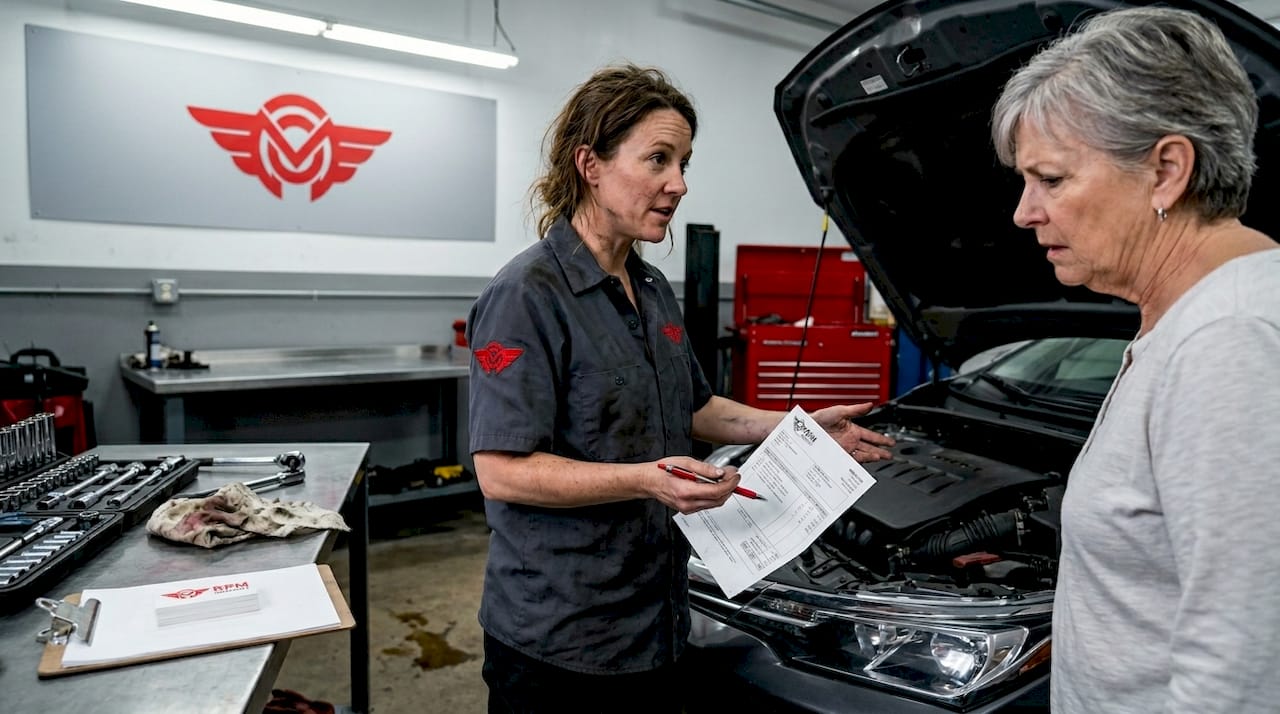
The numbers tell a nuanced story. On one hand, the average claim payout was $4,127 in 2022, with transmission repairs averaging $5,600 and engine failures accounting for 29% of all payouts. That's real money. On the other hand, for every dollar paid in premiums, warranty companies typically pay out only about $0.60 in claims, which tells you the odds favor the seller.
Here's how to think through whether coverage makes financial sense for your situation:
- Evaluate your vehicle's reliability history. Look up your specific make, model, and year on consumer reliability databases. Vehicles with chronic transmission or electrical issues are better candidates for coverage than highly reliable brands.
- Calculate your break-even point. Add up total premium costs over the contract period. If your vehicle's average repair probability doesn't cover that cost, self-insuring through a dedicated savings account may be smarter.
- Consider your risk tolerance. Some drivers sleep better knowing a $6,000 engine replacement is covered, even if statistically they might pay more in premiums than they'd receive. That peace of mind has real value.
- Factor in claim frequency. 62% of extended warranty buyers used their coverage at least once within three years, and the average claim frequency was 0.42 per year. If you're in a high-use category, coverage pays back faster.
- Account for age-related cost spikes. Repair costs for vehicles between 6 and 10 years old average $1,200 to $2,000 per year. That's the window where extended coverage provides the most tangible financial protection.
Key stat: Transmission failures alone average $5,600 per repair. A single covered event can justify the entire cost of a multi-year extended warranty contract.
Knowing when you actually need an extended warranty is more useful than defaulting to buying one on every vehicle. And understanding how repair costs rise after warranty expiry gives you a concrete financial model for making that decision.
A smarter way to approach breakdown protection
With the numbers and nuances laid out, here's a candid perspective on what works and what doesn't when protecting your vehicle from breakdowns.
Most drivers approach warranty coverage passively. They sign at the dealership, file documents away, and assume they're protected. That passive approach is exactly why 22.4% of claims get denied. The warranty doesn't protect you automatically. You have to protect your right to use it.
The smartest move you can make is to understand your exclusionary warranty's fine print before you ever need to file a claim. Exclusionary plans are often the best value because they cover almost everything, but "almost" is where people get burned. Knowing exactly what's excluded lets you plan for those gaps rather than discover them during a stressful repair situation.
Here's a perspective that runs counter to the usual advice: don't treat a warranty as a replacement for mechanical awareness. Drivers who pay attention to how their vehicle sounds, accelerates, and responds catch problems early. Early intervention almost always results in smaller, cheaper repairs. And smaller repairs are less likely to intersect with warranty exclusions or abuse clauses.
Documentation is not optional. It's the backbone of a successful claim. Appeal data shows that 31% of denied claims are successfully reversed when owners provide supporting evidence. That means if you were denied, you have a real shot at getting that decision changed. But only if you have records to back you up.
The alternative worth considering: if you drive a highly reliable vehicle, are disciplined about maintenance, and have an emergency fund that could absorb a $3,000 to $5,000 repair, self-insuring is a legitimate strategy. Set aside what you'd pay in premiums monthly into a dedicated vehicle repair account. Over three to five years, that fund may outperform what a warranty would have paid.
That said, for vehicles with known reliability issues, high mileage, or owners who can't absorb a sudden large repair bill, extended coverage from a transparent, reputable provider is genuinely worth the cost. The key word is reputable. Scam-adjacent contracts with vague language and multiple exclusion loopholes defeat the entire purpose.
Get reliable warranty protection for your vehicle
If reading this made you realize your vehicle needs stronger protection, or that you're approaching the end of your factory coverage, the right next step is finding a plan you can actually trust. Vague contracts and buried exclusions are frustrating at best and financially damaging at worst.
RPM Warranty offers extended warranty plans with clear terms, nationwide coverage, and options tailored to your vehicle's year, make, and model. Whether you're looking for powertrain protection on an older truck or broader exclusionary coverage on a high-mileage sedan, there's a plan that fits. You can get a free quote in minutes, compare coverage tiers side by side, and choose the protection level that matches your budget and risk profile. Still have questions about what's included? The RPM Warranty FAQ covers common coverage questions clearly and honestly.
Frequently asked questions
What repairs are most commonly covered by warranties?
Mechanical and electrical failures caused by manufacturing defects are typically covered, while normal wear and tear, routine maintenance, and accident-related damage are not.
Why are so many warranty claims denied?
Claims are denied due to exclusions like aftermarket parts, missed maintenance, or operating the vehicle improperly after a warning light appears. The 22.4% denial rate in 2023 reflects how often these triggers are applied.
Are extended warranties worth the cost?
Extended warranties are most worthwhile for high-mileage vehicles or brands with reliability issues. Consumer Reports data shows that many buyers pay more in premiums than they receive in claims, making it a case-by-case financial decision.
How can I avoid claim denial?
Keep detailed, dated maintenance records for every service, follow your manufacturer's recommended intervals, use approved repair facilities, and avoid aftermarket modifications to minimize your denial risk.
Can I appeal a denied warranty claim?
Yes. Appeals backed by documentation succeed roughly 31% of the time, so a denied claim isn't always the final word. Gather your service records and any inspection reports before submitting your appeal.