
TL;DR:
- Vehicle protection extends beyond just washing and waxing to shield mechanical, electrical, and software systems, preserving vehicle reliability. Neglecting layered protection leads to costly repairs, especially from environmental damage, component lockouts, and corrosion, often exceeding $1,500 over ownership. Proactive measures like PPF, proper storage, maintenance, and extended warranties save money and prevent unexpected breakdowns, especially in high-end vehicles with VIN-linked modules.
Most vehicle owners think "protection" means a good wash and wax. That misconception costs them thousands. Why vehicle component protection matters goes far deeper than keeping your paint looking fresh — it's about preserving the mechanical, electrical, and structural systems that keep your BMW, Mercedes, Porsche, or Ford running reliably for years. Modern vehicles are rolling computers with components that cost more to replace than most people expect, and the damage often starts long before you notice anything wrong.
Table of Contents
- Key takeaways
- Why vehicle component protection matters more than you think
- The real cost of skipping protection
- Practical strategies to protect vehicle components
- How electronic component protection systems affect ownership
- Balancing cost with coverage options
- My honest take on vehicle component protection
- Protect your investment before the next repair bill finds you
- FAQ
Key takeaways
| Point | Details |
|---|---|
| Protection goes beyond paint | Mechanical, electrical, and software systems all require active protection to avoid costly failures. |
| Software locks change the repair game | VIN-paired modules in modern vehicles can require expensive dealer authorization before a replacement part works. |
| Neglect has a compounding cost | Skipping protection early leads to repairs that often exceed $1,500 in cumulative damage over ownership. |
| PPF delivers measurable results | Paint Protection Film reduces paint damage by 30% over time, making it a cost-effective investment. |
| Warranties close the gap | Extended coverage plans protect you from repair bills that manufacturer warranties leave uncovered. |
Why vehicle component protection matters more than you think
Vehicle component protection is not a single product or service. It's a layered strategy that covers your car's paint and body, its mechanical systems, and increasingly, its electronic modules and software. Understanding what falls under this umbrella is the first step toward making smart decisions about your ownership costs.
Physical and cosmetic protection
Paint Protection Film, widely known as PPF, is a clear thermoplastic urethane film applied directly to painted surfaces. It absorbs rock chips, road debris impact, and minor scratches before they reach the underlying paint. For owners of Range Rovers, Porsches, and BMWs, where a single panel respray can cost $800 to $1,500, this matters a lot. You can learn more about PPF application options from specialists who work with both personal and fleet vehicles.
Beyond PPF, physical barriers like fitted car covers and truck bed caps protect vehicles from UV radiation, moisture intrusion, and airborne contaminants when parked outdoors. Car covers need careful selection based on your local climate. A fully waterproof cover in a humid region can trap moisture against the paint and cause the very damage it was meant to prevent. Breathable covers work better in most conditions.
Electronic component protection systems
Here's where vehicle ownership gets more complicated. Manufacturers like Volkswagen, Audi, Mercedes, and BMW now build what's called Component Protection directly into their electronic modules. This is a software-based security system that ties a module's operation to a specific vehicle identification number via the manufacturer's online servers. If a module is removed and installed in a different vehicle, it locks itself and stops functioning until a dealer reauthorizes it.
The original intent is theft deterrence. In practice, it creates significant challenges for owners and independent repair shops alike. This dimension of component protection is something every prospective buyer of a modern premium vehicle needs to understand before they buy.
Pro Tip: When purchasing a used BMW, Mercedes, or Volkswagen, ask the seller to confirm that no modules have been replaced with unverified secondhand parts. A locked module can show no fault codes until it suddenly disables a critical system.
The real cost of skipping protection
Neglecting vehicle component protection is rarely a one-time mistake. The consequences compound over time, and they hit owners of premium vehicles the hardest.
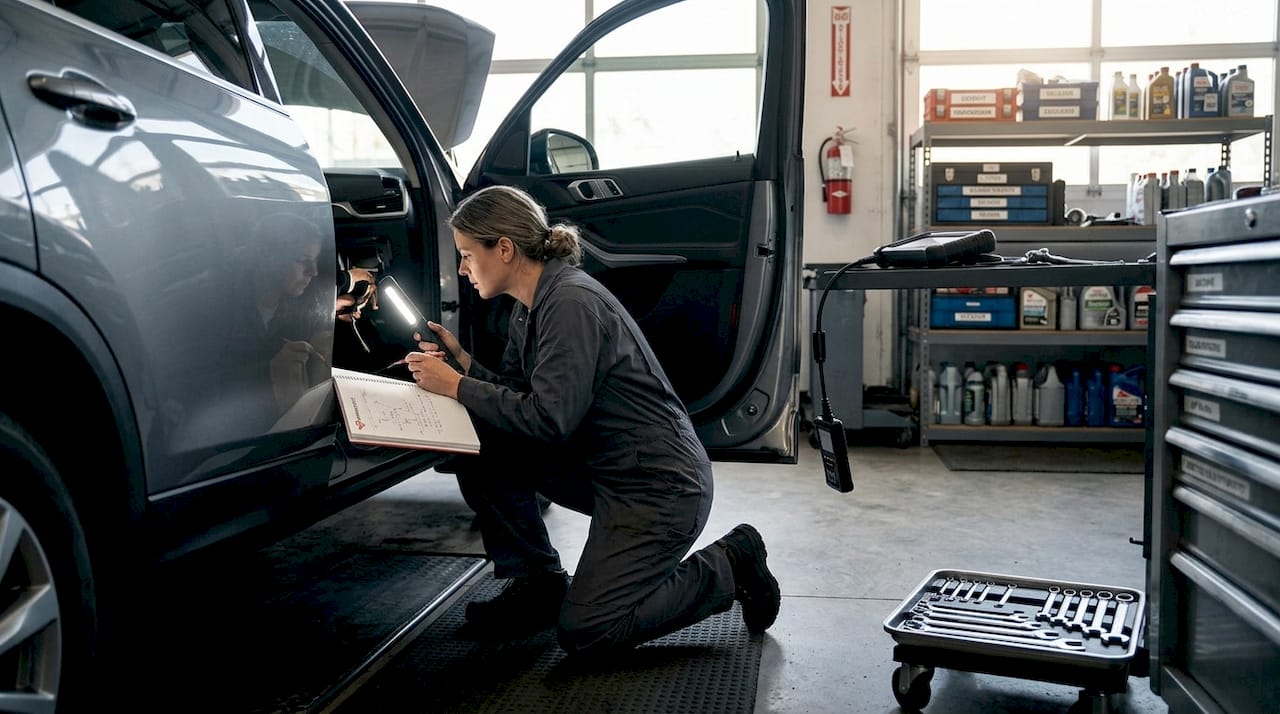
Consider environmental exposure first. UV radiation, moisture, road salt, and airborne pollutants steadily degrade paint, corrode metal substrates, and weaken rubber seals around windows and doors. A Range Rover Sport parked outdoors in a coastal environment without any surface protection will show oxidation within two to three years. That's not speculation. It's a predictable outcome of chemistry.
Then there's the math on paint repairs. Individual paint chips cost $75 to $150 or more to fix, and most vehicles accumulate several per year on high-speed commutes. Over five years of ownership, cumulative repair costs can easily exceed $1,500. A one-time PPF installation on the most vulnerable panels frequently costs less over the long run.
Here's the progression of neglect-related costs most owners don't see coming:
- Surface damage begins. Rock chips and UV fading appear within the first two years without protection. These feel minor and are often ignored.
- Moisture finds its way in. Chips and cracks in the clear coat allow water to reach bare metal, where corrosion starts quietly beneath the surface.
- Structural integrity declines. Unchecked corrosion on structural components like door frames and chassis rails becomes a safety issue, not just a cosmetic one.
- Electronic system failures surface. Moisture intrusion through degraded seals can reach sensitive modules, triggering component protection locks or outright failures.
- Repair costs spike. At this stage, owners are no longer dealing with surface repairs. They're facing engine bay corrosion, module replacements, and potentially failed emissions equipment.
For Porsche owners specifically, a replacement transmission control module can exceed $2,000 before dealer programming fees. For BMW drivers, a faulty adaptive headlight module routinely triggers warning lights and requires dealer authorization to reset. These are not edge cases. They're common premium vehicle repair scenarios that proactive protection helps you avoid.
Practical strategies to protect vehicle components
Knowing the risks is one thing. Acting on them is another. The good news is that protecting your vehicle's components doesn't require choosing a single method. The most effective approach layers multiple strategies based on your vehicle type, climate, and budget.
| Protection Method | Best For | Estimated Cost | Key Benefit |
|---|---|---|---|
| Paint Protection Film | Paint and body panels | $500–$3,000 installed | 30% less paint damage long-term |
| Breathable car cover | Stored or parked vehicles | $50–$300 | Blocks UV, dust, and light moisture |
| Corrosion inhibitor treatment | Undercarriage and exposed metal | $100–$300/year | Slows rust in high-moisture climates |
| Extended warranty plan | Mechanical and electrical systems | Varies by plan | Covers repair costs beyond factory warranty |
| Dealer module authorization | Electronic system replacements | $300–$500 per event | Required for VIN-paired module activation |
PPF deserves special attention because the data backs it up. Drivers keeping vehicles five to ten years or longer are increasingly choosing PPF precisely because waxing and ceramic coatings alone cannot protect against physical impacts. If you own a Ford F-150 and regularly drive on gravel roads, the hood and front bumper take significant abuse that standard wax cannot absorb.
For vehicles stored seasonally, like a Porsche 911 that comes out only in summer, climate-appropriate storage is part of the vehicle maintenance essentials equation. Block heaters and rodent deterrents require regular refreshment to stay effective, and choosing the wrong storage solution can create new problems. Desiccant products that control humidity inside the vehicle work well for long-term storage situations where corrosion prevention is a concern.
For your electrical and mechanical systems, consistent maintenance is your best defense. Follow your manufacturer's service intervals without cutting corners. Fresh coolant protects your cooling system's aluminum components. Clean transmission fluid prevents heat-related wear in your gearbox. These aren't glamorous fixes, but they're what separates a BMW 5 Series with 150,000 trouble-free miles from one that becomes a repair sinkhole at 80,000. Check out these maintenance tips for longevity if you want a structured approach.
Pro Tip: Have your independent shop scan your vehicle for any "component protection active" fault codes before buying a used VW, Audi, or Mercedes. Clearing these faults often requires a dealer visit that costs $300 to $500 and can take days if parts need ordering.
How electronic component protection systems affect ownership
This section is one most buyer's guides skip entirely, and that's a costly oversight. Understanding how software-based component locks work will help you make smarter repair and purchase decisions.
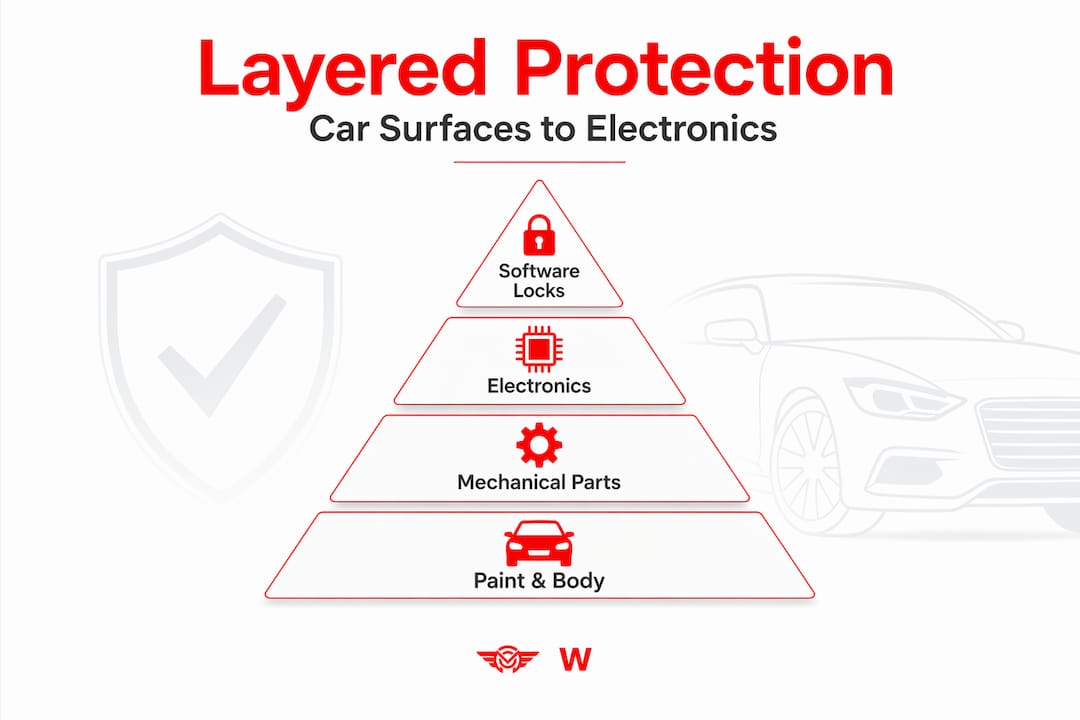
Modern vehicles use modules for everything. Your engine control unit, transmission control module, adaptive cruise radar, infotainment head unit, and even your steering column lock are all computerized components. In vehicles from manufacturers like VW, Audi, Mercedes, and their associated brands, these modules are linked to your VIN through manufacturer servers. When a module is replaced, the new part must be authenticated against the VIN through an online connection to the manufacturer's database.
Here's what that means in practice:
- A secondhand steering angle sensor from a salvage yard will not function in your vehicle until a dealer authorizes it. Consumer diagnostic tools like VCDS cannot remove these locks, regardless of how sophisticated they are.
- The dealer authorization process carries a fee, typically $300 to $500, that applies even when you're using a legitimately sourced replacement part.
- Independent repair shops are often unable to complete the repair without sending the vehicle to a dealer, adding time and cost.
- Component protection actively disables stolen modules if they're installed in a different vehicle, which is the stated security benefit.
The impact on the right to repair is real and growing. Owners of premium vehicles are effectively required to use dealer networks for many repairs, regardless of cost. Legislation in several states is beginning to address this, and some aftermarket diagnostic companies are developing tools to assist independent shops, but solutions remain limited in 2026.
For buyers evaluating a used Mercedes E-Class or VW Tiguan, this means your repair cost assumptions based on independent shop rates may not hold once a module needs replacement. Factor dealer authorization fees into your total cost of ownership calculation before signing a purchase agreement.
Balancing cost with coverage options
Understanding the importance of vehicle protection is one thing. Building a strategy that fits your budget and vehicle is another. Here's how to think about your options in a structured way.
Extended warranty plans are particularly relevant here because they cover the mechanical and electrical failures that most surface-protection products cannot. When your Honda Pilot's variable timing solenoid fails at 95,000 miles, no amount of PPF will cover that repair. But a solid extended warranty plan will.
When evaluating coverage options, consider:
- What components are covered. Look for plans that specifically include engine, transmission, cooling system, electrical systems, and high-tech components like sensors and control modules. A vehicle protection checklist can help you compare coverage areas.
- Whether the plan covers software-related failures. This is increasingly important for modern vehicles with complex electronic architectures.
- Deductible structure and claim process. A low monthly premium with a high deductible can leave you exposed on large repairs.
- Electric vehicle considerations. Battery and motor damage in EVs require specialized coverage that standard plans may not include. If you drive a Tesla or a hybrid-electric vehicle, confirm battery coverage explicitly before selecting a plan.
- Nationwide authorization. A plan that only works at dealerships near your home city is a liability if your vehicle breaks down during a long road trip.
The benefits of component coverage extend beyond direct repair savings. They include predictable monthly costs, access to roadside assistance, and the confidence to drive a higher-mileage vehicle without financial anxiety. For owners keeping their vehicles past 100,000 miles, extended coverage is not optional. It's math. You can review essential coverage features to understand what separates adequate plans from excellent ones.
My honest take on vehicle component protection
I've watched too many owners treat vehicle protection as something they'll "get around to" after the next paycheck. Years later, they're staring at a repair estimate that eclipses an entire year of what a protection plan would have cost them.
Here's the counterintuitive truth I've come to believe: the owners who resist spending money on protection are the ones who end up spending the most. They pay for it in emergency repair bills, lost vehicle value at trade-in, and sometimes in forced early vehicle replacement because a repair quote simply isn't worth it on a depreciated car.
What I've learned specifically about electronic component protection is that most owners don't discover it exists until they're already locked out of a repair. You find out about VIN-paired modules when your mechanic tells you the replacement part they just installed is showing a "component protection active" error and your car won't start. That's a brutal way to learn.
My practical advice is this. Protect your vehicle in layers. Start with the physical, because PPF and proper storage cost relatively little and prevent damage that's expensive to reverse. Then protect yourself financially with warranty coverage that addresses the mechanical and electrical systems that actually fail at high mileage. And if you own a VW, Audi, BMW, Mercedes, or Porsche, get educated on how their specific component protection systems work before you ever need a repair. The knowledge costs nothing. The surprise costs plenty.
— Kenneth
Protect your investment before the next repair bill finds you
When a vehicle's manufacturer warranty expires, the financial exposure doesn't go away. It grows. That's where Rpmwarranty's extended coverage plans step in.
Rpmwarranty offers tailored plans covering engines, transmissions, cooling systems, electrical systems, and high-tech components for vehicles across the spectrum, from everyday Honda and Ford models to premium Porsche and Volkswagen vehicles. Whether you need coverage for a Porsche extended warranty or a Volkswagen protection plan, Rpmwarranty has plan tiers designed to match your budget and coverage needs. The process is clear: get a consultation, choose your plan, customize it to your vehicle, and lock in your coverage. Getting a free quote today takes minutes and gives you a clear picture of what protection actually costs versus what repairs will.
FAQ
What does vehicle component protection actually cover?
Vehicle component protection covers physical surfaces like paint and body panels, mechanical systems like engines and transmissions, and in newer vehicles, electronic modules that are software-locked to your vehicle's VIN.
Why do electronic component locks matter to vehicle owners?
Electronic component locks, used by manufacturers like VW, Audi, and Mercedes, require dealer authorization costing $300 to $500 to activate replacement modules, making independent repairs more expensive and complex.
Is Paint Protection Film worth the cost?
Yes, for most owners. PPF reduces paint damage by 30% over time, and cumulative repair costs from rock chips and road debris frequently exceed $1,500 over five or more years of ownership.
Do extended warranties cover electronic component failures?
Quality extended warranty plans do cover electrical and electronic system failures. Confirm explicitly that the plan includes control modules, sensors, and software-related issues before purchasing.
When should I start thinking about vehicle component protection?
The best time is before visible damage appears. Proactive protection, whether PPF for paint or an extended warranty for mechanical systems, always costs less than reactive repair after the damage is already done.