
TL;DR:
- Regularly perform manufacturer-recommended maintenance and seasonal checks to prevent costly breakdowns and extend vehicle life.
- Consistent habits like timely oil changes, tire rotations, and fluid inspections are more effective than rare, intensive service.
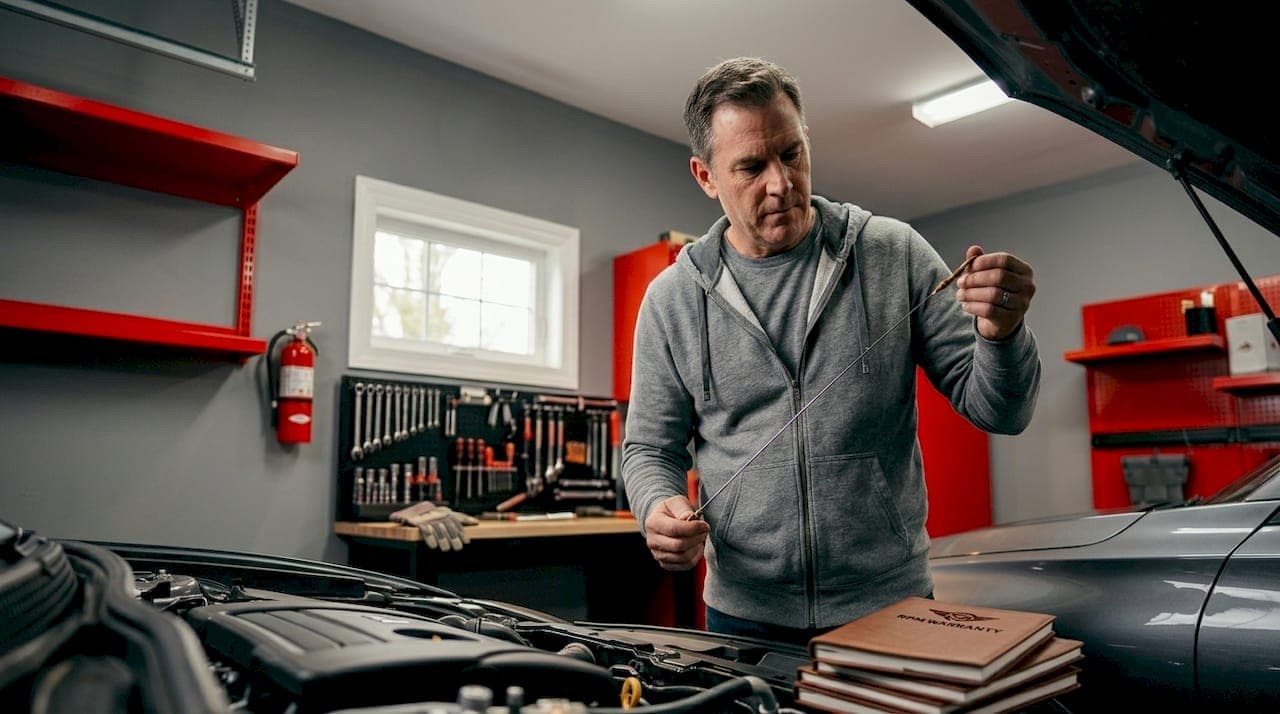
Most car owners don't think about maintenance until something breaks. Then comes the tow truck, the repair bill, and the regret. The average annual ownership cost in the U.S. reached $11,577 in 2026, with maintenance and repairs running over 11 cents per mile. The good news? A large portion of those costs are preventable. These maintenance tips for vehicle longevity are designed to help you stay ahead of the problems that drain your wallet and shorten your car's life, one simple habit at a time.
Table of Contents
- Key takeaways
- 1. Foundational maintenance checks every owner should know
- 2. Seasonal maintenance routines to protect against environmental stress
- 3. The 30-60-90 rule and how to use it today
- 4. Daily and weekly habits that catch problems before they escalate
- 5. Tire and brake maintenance: where safety and savings meet
- My take on maintenance: consistency beats doing it perfectly
- Protect your car from the costs maintenance can't prevent
- FAQ
Key takeaways
| Point | Details |
|---|---|
| Follow manufacturer intervals | Your owner's manual beats any shop's recommendation for what your car actually needs. |
| Seasonal prep prevents breakdowns | Adjusting your car care routine for summer heat and winter cold protects critical components. |
| Time matters as much as mileage | Fluids degrade on a calendar, not just an odometer, so schedule changes accordingly. |
| Monthly walkarounds catch problems early | A 15-minute check each month stops small issues from becoming four-figure repairs. |
| Tires and brakes protect everything else | Neglecting these two systems accelerates wear on suspension, steering, and drivetrain components. |
1. Foundational maintenance checks every owner should know
Good vehicle care tips start with a short list of non-negotiables. These are the checks that form the backbone of any car maintenance checklist, and skipping them is how a $30 fluid top-off turns into a $3,000 engine repair.
- Oil changes on schedule. Modern synthetic oils extend safe change intervals to 5,000 to 10,000 miles depending on the manufacturer. The old 3,000-mile rule is outdated for most current vehicles. Check your owner's manual, not the sticker on your windshield.
- Monthly fluid checks. Pop the hood once a month and check engine oil, coolant, brake fluid, power steering fluid, and washer fluid. Each one has a reservoir with min/max markings. Takes five minutes.
- Tire pressure and tread. Tires lose about one PSI per month in normal conditions and faster in cold weather. Low pressure accelerates wear and hurts fuel economy. Check tread depth using the penny test: if you can see the top of Lincoln's head, you need new tires.
- Battery terminals. Corrosion on battery terminals creates resistance and shortens battery life. A wire brush and baking soda solution cleans them in minutes.
- Brake inspection basics. Squealing or grinding sounds from your brakes are the car asking for help. Don't wait for the next oil change to address them.
Pro Tip: Set a recurring phone reminder on the first of every month to do a five-minute fluid and visual check. Consistency beats perfection every time.
2. Seasonal maintenance routines to protect against environmental stress
Seasonal climate stresses like winter road salt and summer heat are among the most damaging and most overlooked forces acting on your vehicle. The best automotive maintenance advice accounts for what the weather is doing to your car, not just how many miles you've driven.
Summer checklist:
- Check coolant concentration and top off with the correct mixture to prevent overheating
- Test your AC system before the hottest months hit, not during
- Monitor tire pressure more frequently since heat expands air and can cause overinflation
- Have your battery tested. Heat accelerates battery fluid evaporation and kills cells faster than cold does
Winter checklist:
- Test battery cold-cranking amps before temperatures drop. A weak battery that starts fine in October may leave you stranded in January
- Replace wiper blades with winter-rated ones before the first freeze
- Check your heater and defroster to make sure both work properly
- Rinse the undercarriage weekly if you drive on salted roads. Salt accelerates rust on brake lines, exhaust components, and frame rails
Pro Tip: Schedule a pre-winter and pre-summer appointment with your mechanic, even just for a quick multi-point inspection. That one visit costs far less than a mid-winter breakdown on the highway.
Preparing vehicles proactively for environmental stresses avoids predictable damage that sidelines your car at the worst possible time.
3. The 30-60-90 rule and how to use it today
The 30-60-90 maintenance rule has been around for decades, and it still provides a useful framework. But modern vehicles have changed the specifics considerably. Here's how to apply it without overpaying.
- At 30,000 miles: Replace the engine air filter, inspect the fuel filter, and check spark plugs if your vehicle uses conventional plugs. This is also a good point to check brake pads for the first time.
- At 60,000 miles: Inspect or replace spark plugs (iridium plugs often last this long), replace brake fluid, check the timing belt on vehicles that have one, and inspect coolant hoses for cracking or softness.
- At 90,000 miles: Replace the timing belt if not already done, replace spark plugs again, inspect the water pump, and consider a transmission fluid change if your manufacturer recommends it.
| Service | Conventional interval | Modern/synthetic interval |
|---|---|---|
| Oil change | 3,000 miles | 5,000 to 10,000 miles |
| Spark plugs | 30,000 miles | Up to 100,000 miles (iridium) |
| Brake fluid | Every 2 years | Every 2 years (time-based) |
| Tire rotation | 5,000 miles | 5,000 to 7,500 miles |
| Coolant flush | 30,000 miles | 50,000 to 100,000 miles |
The 30-60-90 framework is useful, but your owner's manual has the final word. It accounts for your specific engine, transmission, and operating conditions. Following it also protects your case if you need to make a warranty claim.
One thing worth knowing: many repair shops upsell flushes that aren't in your manufacturer's schedule. Transmission flushes, coolant flushes, and fuel system treatments are often marketed aggressively, but most are only needed under "severe" driving conditions. Know what your manual actually says before agreeing to anything.
4. Daily and weekly habits that catch problems before they escalate
The best preventive maintenance for cars doesn't always happen in a shop. A lot of it happens in your driveway, before you even leave for work.
- Drive regularly. If you have a vehicle you don't use often, drive it for at least 20 minutes every one to two weeks. This circulates fluids, prevents flat spots on tires, and keeps seals from drying out.
- Do a monthly walkaround. A 15 to 20 minute monthly inspection covers lights, tire condition, fluid levels, wiper function, and a quick look under the hood at belts and hoses. This one habit catches the majority of developing problems.
- Listen to your car. New squeaks, grinding noises, vibrations, or smells are your car communicating. Ignoring a minor leak or a worn belt leads directly to expensive component failures down the road.
- Watch your dashboard. Warning lights exist for a reason. A check engine light may indicate something as minor as a loose gas cap or as serious as a failing catalytic converter. Either way, address it promptly instead of covering it with a piece of tape.
Pro Tip: Keep a small notepad or use a notes app to log any odd sounds, smells, or behaviors you notice during your drive. When you bring your car in, this log helps your mechanic diagnose problems far faster, which saves you money.
For more ways to reduce out-of-pocket costs, the team at Rpmwarranty has put together a practical resource on cutting repair costs that pairs well with these habits.
5. Tire and brake maintenance: where safety and savings meet
Tires and brakes are where maintenance tips for vehicle longevity and basic safety overlap completely. Neglecting either one doesn't just cost money. It creates real danger.
Tires:
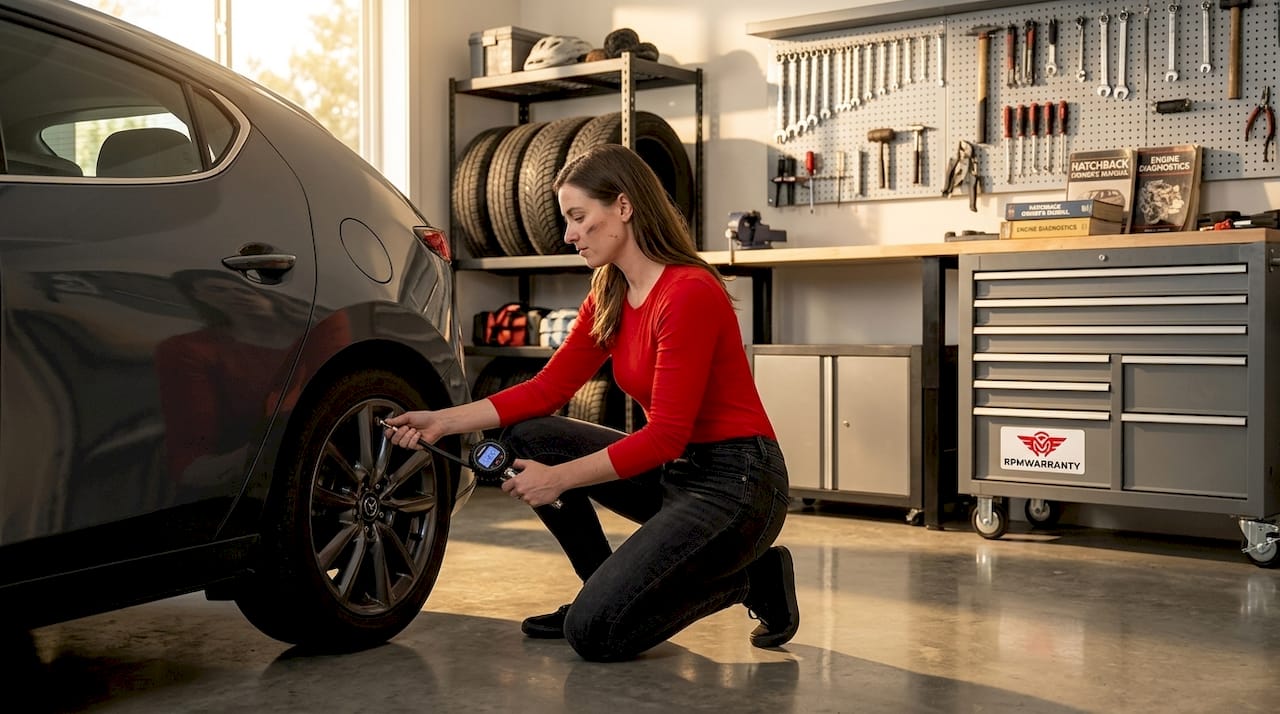
Inspect tires monthly for pressure and tread wear. Rotating tires every 5,000 to 7,500 miles equalizes wear across all four, significantly extending their life. Watch for uneven wear patterns. Feathering on the inside or outside edge usually points to an alignment or suspension issue. If you only rotate without addressing alignment, you'll burn through another set just as fast.
| Tire condition | What it usually means |
|---|---|
| Wear on both edges | Underinflation |
| Wear in the center | Overinflation |
| Wear on one edge | Alignment or camber issue |
| Cupping or scalloping | Worn shocks or struts |
Brakes:
Brake pads typically last 25,000 to 65,000 miles depending on driving style and vehicle weight. High-performance vehicles, trucks, and SUVs tend to eat through pads faster. Most pads have a wear indicator that produces a squeal when it's time to replace them. Rotors should be inspected at the same time. A scored or warped rotor can be resurfaced once but typically needs replacement the second time around.
Brake fluid absorbs moisture over time, which lowers its boiling point and causes internal corrosion in calipers and lines. Flushing brake fluid every two years is one of the most overlooked and most important vehicle service recommendations available.
My take on maintenance: consistency beats doing it perfectly
I've talked with a lot of car owners over the years, and the pattern is almost always the same. People either obsess over every detail or ignore maintenance entirely until something fails. The obsessors tend to waste money on unnecessary services, and the neglecters end up with far bigger problems than they bargained for.
What actually works is boring: show up consistently. Change your oil on schedule. Check your tires once a month. Do the seasonal prep. You don't need to know everything about how your car works. You just need a short list and the discipline to follow it.
One thing most articles won't tell you: time matters as much as mileage. Fluids degrade on a calendar because of moisture absorption and chemical breakdown, not just from use. A car sitting in a garage for a year still needs its brake fluid checked. This catches a lot of people off guard.
I've also seen owners spend $300 on a transmission flush their manual never asked for, while their actual coolant was at the minimum line and months overdue for replacement. Follow the manual. Not the service writer's upsell sheet. The best practices for vehicle upkeep are already written in the book that came with your car.
The owners I've seen get the most out of their vehicles treat maintenance like a subscription, not a crisis response. Consistent, modest effort over time keeps cars on the road longer and repair bills smaller. That's the whole game.
— Kenneth
Protect your car from the costs maintenance can't prevent
Even the most disciplined maintenance routine can't predict every mechanical failure. Transmissions, electrical systems, and cooling components can fail without warning, and the repair costs are rarely small. That's where Rpmwarranty comes in. Their extended vehicle warranty plans cover the components your maintenance routine keeps running but can't always protect. With options ranging from the Essential to the Elite plan, you can match coverage to your vehicle, your budget, and your driving habits. Pair that with the car maintenance habits in this article, and you've built a real defense against unexpected repair costs. Explore protection plan options and get a free quote today.
FAQ
How often should I change my oil in 2026?
Modern synthetic oil extends change intervals to 5,000 to 10,000 miles for most vehicles. Check your owner's manual for the exact recommendation based on your engine and oil type.
What is the 30-60-90 maintenance rule?
It refers to key service milestones at 30,000, 60,000, and 90,000 miles where filters, spark plugs, belts, and fluids are inspected or replaced. Modern vehicles often have longer intervals, so always verify with your manufacturer's guidelines.
How do I know if my tires need rotating?
Rotate tires every 5,000 to 7,500 miles or whenever you notice uneven tread wear across your tires. Uneven wear often signals an alignment issue that should be addressed at the same time.
Do fluids go bad if I don't drive much?
Yes. Fluids like coolant and brake fluid degrade through moisture absorption and chemical breakdown over time, regardless of mileage. Time-based maintenance applies even to low-mileage vehicles.
What is the single best habit for extending vehicle life?
Following your manufacturer's maintenance schedule consistently is the most effective strategy. Consistent adherence to the schedule is directly linked to reaching or surpassing the average U.S. vehicle lifespan of 12.6 years.