

TL;DR:
- Regular maintenance and thorough documentation are essential to maximize warranty coverage potential.
- Choosing the right warranty plan depends on vehicle age, mileage, and specific coverage needs.
- Consistent reviews and proper claim procedures help prevent claim denials and ensure financial protection.
A surprise repair bill can throw your entire budget off course. Transmission replacements cost between $4,000 and $6,000, and one in three vehicle owners cannot cover a $1,000 repair without going into debt. That's a stressful place to be, especially when many of those repairs are preventable. A systematic vehicle protection checklist gives you a repeatable process to stay ahead of mechanical failures, keep your warranty valid, and avoid the out-of-pocket costs that catch most drivers off guard. This guide walks you through the key criteria, maintenance habits, warranty options, and claim strategies that actually work.
Table of Contents
- Key criteria to start your vehicle protection checklist
- Routine maintenance: The backbone of reliable protection
- Evaluating extended warranty options: What to look for
- Maximizing your warranty: Keys to claim success and peace of mind
- Putting your checklist into action: A sample vehicle protection routine
- Why most protection checklists fail—and what really works
- Protect your vehicle with proven warranty plans
- Frequently asked questions
Key Takeaways
| Point | Details |
|---|---|
| Follow a routine checklist | Consistent preventive maintenance and documentation help avoid costly repairs and warranty claim denial. |
| Evaluate warranties carefully | Not all extended warranties offer value—match coverage to vehicle age, use, and risk profile. |
| Keep records organized | Clear, dated service records are your best defense for quick and successful warranty claims. |
| Update annually | Review your vehicle protection checklist yearly to adapt to changing needs and coverage opportunities. |
Key criteria to start your vehicle protection checklist
Building a solid protection plan starts with an honest assessment of where your vehicle stands right now. Before you call a warranty provider or schedule a tune-up, you need to gather some basic facts.
Here are the foundational questions to ask yourself:
- How old is your vehicle, and how many miles are on it? Older, high-mileage vehicles carry more mechanical risk and may qualify for fewer manufacturer protections.
- What does your driving look like? Heavy towing, long commutes, and extreme weather all accelerate wear on key components.
- Do you have a service record? If you've owned the car for years without documented maintenance, you may already be at risk of denied warranty claims.
- What are the costliest failure points for your make and model? Engines, transmissions, and electronics vary widely in repair cost and failure rates.
Following the maintenance schedule, including oil changes, tire rotations, and proactive repairs, is one of the most reliable ways to extend your vehicle's life. It also signals to warranty providers that you've taken care of the vehicle properly.
Make sure to evaluate the vehicle protection features that matter most for your situation before selecting any coverage plan.
"The single most important factor in vehicle longevity isn't the brand. It's the owner's commitment to routine care."
Pro Tip: Set calendar reminders for every scheduled service interval and store digital photos of your receipts in a dedicated folder on your phone. This takes five minutes and can save you thousands in denied claims later.
Routine maintenance: The backbone of reliable protection
Once you've defined your criteria, the next step is getting hands-on with preventive maintenance. This is where most vehicle owners either earn or lose their warranty protection.
Here is a numbered checklist of the core tasks to stay on top of:
- Oil changes every 3,000 to 10,000 miles depending on your vehicle manual and whether you use conventional or synthetic oil.
- Tire rotations every 10,000 miles to prevent uneven wear and extend tire life significantly.
- Brake inspections every 10,000 to 15,000 miles to catch worn pads before they damage rotors.
- Coolant flushes, transmission fluid checks, and air filter replacements at manufacturer-recommended intervals.
- Address warning lights immediately. A check engine light ignored for weeks can turn a $200 sensor fix into a $2,000 repair.
Stat to know: Claims are denied in roughly one out of five warranty cases when service records are missing or incomplete. That's a significant risk, and it's entirely avoidable.
Understanding what voids a car warranty is just as important as knowing what it covers. Skipped maintenance is one of the top reasons claims get rejected, and it can happen faster than you expect.
Pro Tip: Keep a small folder in your glove compartment for paper receipts. Or use a free maintenance tracking app like Fuelly or CarFax's service history tool to log every visit automatically.
Evaluating extended warranty options: What to look for
Preventive care is essential, but the right warranty can dramatically reduce your financial risk for unexpected repairs. Not all warranties are built the same, and knowing what to look for saves you from buying coverage that doesn't actually protect you.
Start by understanding the two main types. Bumper-to-bumper vs powertrain coverage are very different in scope. Bumper-to-bumper plans typically cover most mechanical and electrical systems. Powertrain plans focus on the engine, transmission, and drivetrain.
| Feature | Bumper-to-bumper | Powertrain only |
|---|---|---|
| Engine and transmission | Yes | Yes |
| Electrical systems | Yes | No |
| Air conditioning | Yes | No |
| Monthly cost estimate | Higher | Lower |
| Best for | Newer or complex vehicles | Older, high-mileage cars |
Average extended warranty costs range from $1,500 to $4,000 total, which sounds like a lot until you compare it to a single transmission repair. Here's what to review before signing anything:
- Exclusions list: Read it carefully. Warranties are often defined more by what they don't cover.
- Deductible structure: A $100 per-visit deductible is very different from a $100 per-component deductible.
- Repair network: Can you use any licensed shop, or only a restricted list of dealers?
- Transferability: A transferable plan adds real resale value to your vehicle.
Extended warranties are often not financially worth it for vehicles with strong reliability records, but they make a lot of sense for older or high-mileage cars where repair risks are real. Knowing when to get extended warranty protection is one of the smartest moves you can make as an owner.
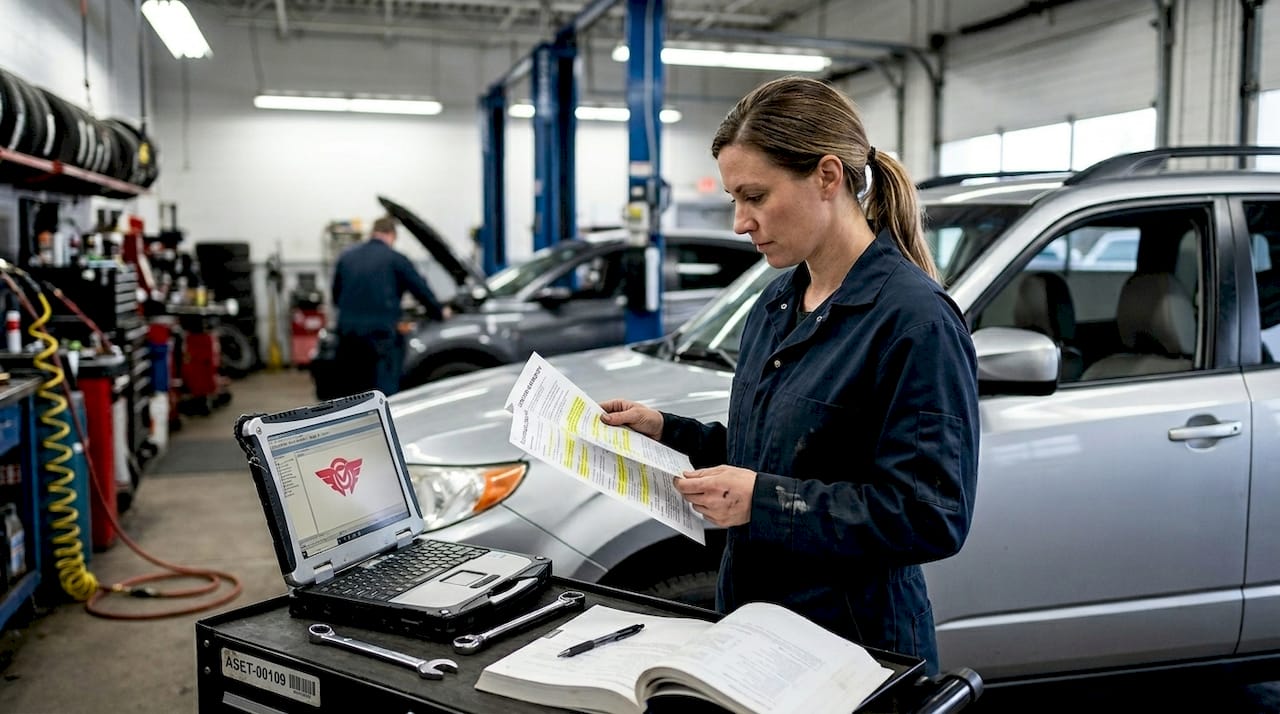
Also review bumper to bumper coverage in detail so you understand exactly what systems are protected before committing to a plan.
Maximizing your warranty: Keys to claim success and peace of mind
You've chosen a warranty, but it's useless without knowing how to safeguard your eligibility for claims. Coverage on paper means nothing if you can't actually use it when something breaks.
Here are the most common claim mistakes vehicle owners make:
- Failing to keep receipts from every service visit, even routine oil changes
- Using non-approved repair shops without checking the plan's terms first
- Missing a scheduled service and not documenting why
- Not notifying the warranty provider before authorizing a repair
- Assuming the deductible applies only once, not per component or per visit
Common warranty claim denial reasons:
| Denial reason | How common |
|---|---|
| Missing service records | Very common |
| Unauthorized repair shop | Moderately common |
| Pre-existing condition claimed | Common |
| Coverage exclusion overlooked | Very common |
| Claim filed incorrectly | Less common |
Warranty claims are frequently denied due to missing records or neglected maintenance. Transferable warranties also boost resale value, which is a financial benefit beyond just repair coverage.
"Documentation isn't paperwork. It's proof of care, and without it, even the best warranty plan can leave you empty-handed."
Familiarize yourself with the must-have warranty features that separate a useful plan from an expensive disappointment. And if you've heard common myths about what warranty coverage does or doesn't do, reviewing warranty myths debunked can clear up a lot of confusion fast.
Putting your checklist into action: A sample vehicle protection routine
Now, bring everything together with a practical checklist you can repeat every year. This is the system that combines maintenance, documentation, and warranty management into one routine.
- At purchase: Note the odometer reading, factory warranty expiration date, and schedule your first oil change before the 3,000-mile mark.
- Monthly: Do a visual walkaround. Check tire pressure, look for fluid leaks, and note any new sounds or warning lights.
- Every 6 months: Rotate tires, inspect brakes, and update your maintenance log with every service completed.
- Annually: Pull out your warranty documents and review your coverage tier. Check whether your mileage still qualifies you for the current plan. Compare your existing warranty against new options.
- At 75,000 miles: Seriously evaluate extended warranty options if your factory coverage is expiring. This is the window where mechanical risks rise sharply.
- Before selling: Organize all service records, confirm warranty transferability, and update any coverage paperwork to maximize your sale price.
Prioritizing preventive maintenance and checklist adherence gives you peace of mind and reduces the risk of costly failures at the worst possible time. Using a guide like car warranty by year helps you time your coverage decisions with precision.
Pro Tip: Schedule a 30-minute annual protection review each January. Set a recurring calendar event, pull your warranty documents, and confirm that your coverage still matches your current mileage and driving habits.
Why most protection checklists fail—and what really works
With the action steps clear, let's talk frankly about where vehicle protection strategies break down, and how to do better.
Most owners approach vehicle protection in one of two broken ways. They either skip coverage entirely and hope nothing goes wrong, or they buy a warranty and then never track their maintenance, setting themselves up for a denied claim when they need it most. Neither approach protects you.
Here's the uncomfortable truth: the warranty industry benefits when claims go unused. Providers price plans based on the expectation that a certain percentage of customers won't follow through on their claims, either because records are missing or because they don't understand the terms. That's not cynicism. That's math.
Real, lasting protection comes from three things working together: a warranty that fits your actual vehicle and mileage, consistent maintenance that creates a paper trail, and annual reviews that keep your coverage current. Skip any one of those, and the other two lose most of their value.
If your factory coverage has lapsed, learning how to protect your vehicle post-warranty is one of the highest-return actions you can take this year.
Protect your vehicle with proven warranty plans
Ready to take the next step? Here's how you can solidify your vehicle protection plan with professional support.
The checklist in this guide gives you a strong foundation. But pairing it with the right coverage plan takes the guesswork out of what happens when something breaks. RPMWarranty offers extended vehicle warranty options designed for different budgets, vehicle types, and mileage ranges, from the Essential plan up through Elite coverage for more complex vehicles.
You can explore available protection plans to compare coverage tiers side by side and find what fits your situation. Or, if you're ready to see real numbers for your specific vehicle, get a free quote today. It takes just a few minutes and gives you a clear picture of what protection actually costs versus what a single major repair could run you.
Frequently asked questions
How often should I follow the vehicle protection checklist?
Review your vehicle protection checklist at least every 6 to 12 months to confirm maintenance is current and your coverage remains valid. Preventive maintenance should always be scheduled according to your owner's manual and revisited regularly.
Can missing service records really void my warranty?
Yes. Claims are denied in roughly one out of five cases when service records are absent, so keeping detailed documentation is one of the simplest ways to protect your coverage.
What kind of repairs does an extended warranty usually cover?
Extended warranties typically cover major components like the engine, transmission, and electrical systems, but exact coverage depends on the plan you choose. Always review coverage types before purchasing to know what's included and what isn't.
Is it financially worth getting an extended warranty?
For reliable vehicles with low mileage, the math often doesn't favor a warranty. But for older, less reliable vehicles with higher repair risk, an extended warranty can provide meaningful financial protection and real peace of mind.