
TL;DR:
- Towing coverage in warranties transports your vehicle during breakdowns caused by mechanical issues.
- It protects owners from costly towing fees and ensures vehicle goes to approved repair shops.
- Limitations include coverage only for covered failures and exclusions like flat tires or running out of fuel.
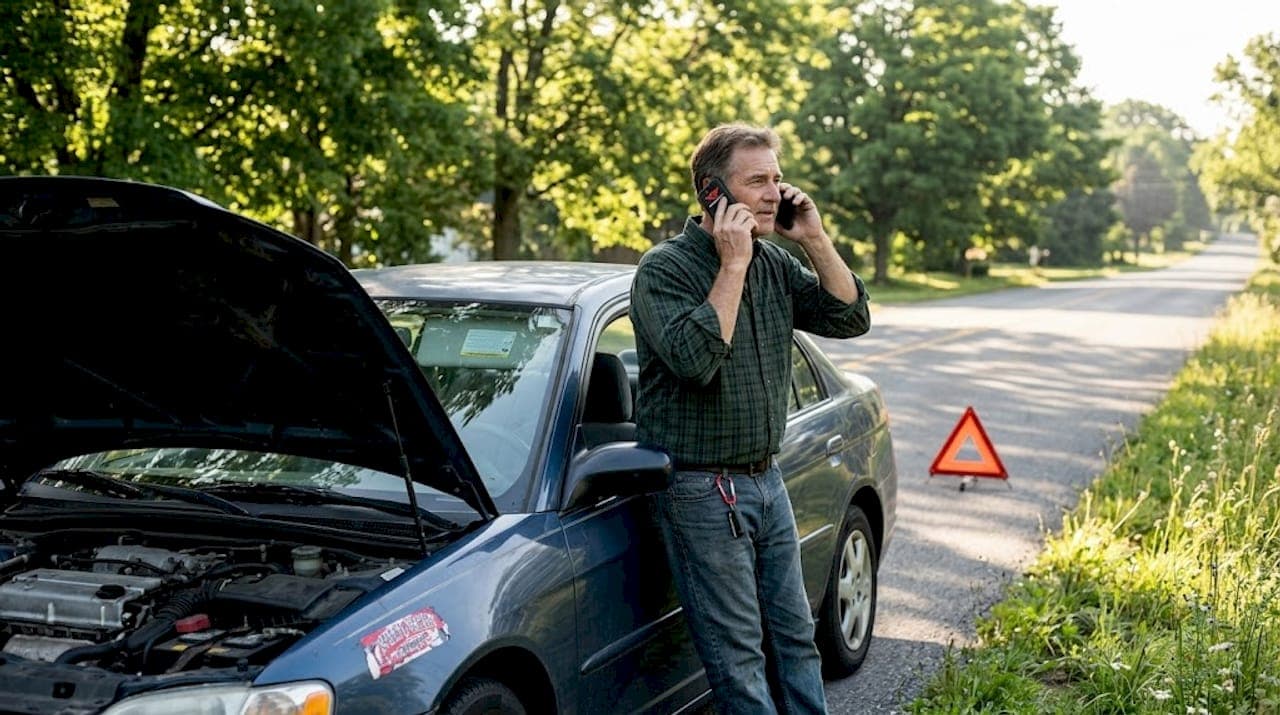
Most vehicle owners assume their warranty exists purely to cover expensive repair bills. When the engine gives out or the transmission starts slipping, the warranty steps in. But what happens when your car dies on a remote highway at 11 p.m.? That stranded moment is where towing coverage becomes one of the most valuable features hiding inside your warranty plan. It's a benefit many owners never think to ask about until they desperately need it. Understanding how warranty towing works, what it covers, and where it falls short can save you hundreds of dollars and a lot of stress.
Table of Contents
- What does towing in a warranty really cover?
- Why manufacturers and warranty providers include towing
- Peace of mind: How towing coverage protects you
- Limits and exclusions: When towing isn't covered
- Our take: What most vehicle owners miss about warranty towing
- Explore extended warranties with towing for true peace of mind
- Frequently asked questions
Key Takeaways
| Point | Details |
|---|---|
| Covers costly tows | Warranty towing often saves owners from $100-plus per tow and unexpected out-of-pocket costs. |
| Boosts safety, peace of mind | Having towing included means you are never stranded after a covered breakdown, adding real-world security. |
| Read the fine print | Not all warranties cover every type of tow or roadside event, so always check your contract for specifics. |
| Better than insurance add-ons | Warranty towing usually won’t affect your insurance premiums or claims record. |
What does towing in a warranty really cover?
Not all warranty plans are created equal, and towing provisions vary more than most owners realize. At its core, warranty towing means your plan pays for a tow truck to transport your vehicle when it suffers a mechanical breakdown covered under your agreement. You don't call your insurance company. You don't pay out of pocket. You call your warranty provider's roadside line, and help comes to you.
To understand the basics of how these protections work, reviewing auto warranty basics before selecting any plan is a smart first move. And once you're comparing options, warranty coverage clarity helps you decode what each plan actually delivers.
Here's what typically triggers a warranty-covered tow:
- Engine overheating that makes the vehicle undriveable
- Sudden engine failure or seizure
- Transmission failure leaving you stuck in park or neutral
- Electrical system failures that kill the car entirely
- Cooling system collapses causing immediate shutdown
The financial case is straightforward. Towing saves owners from vehicle damage when driven while broken, protects safety in dangerous breakdown scenarios, and avoids towing fees averaging $109 per tow. For a plan that might cost you a few hundred dollars per year, having just two covered tows recoups a meaningful chunk of that cost.
Here's a quick comparison of what different towing provisions typically look like:
| Coverage type | Who pays | Distance limit | Destination requirement |
|---|---|---|---|
| Manufacturer warranty towing | Warranty provider | Usually 25-100 miles | Authorized dealership |
| Extended warranty towing | Warranty provider | Varies by plan | Certified repair shop |
| AAA membership | AAA membership fee | 3-200 miles by tier | Any location |
| Insurance roadside add-on | Insurance (may affect premium) | Varies | Varies |
"Towing prevents further damage to the vehicle if driven while broken, protects owner safety by avoiding driving in unsafe conditions, and saves money on expensive towing fees averaging $109 per tow." — Stauffer's Towing
The destination piece matters more than people expect. Most warranty plans require the vehicle to go to an approved repair facility, not any shop you choose. If you need more flexible destinations, that's a feature worth comparing when selecting your plan.
Why manufacturers and warranty providers include towing
Providers don't include towing out of pure generosity. There's real strategy behind it, and understanding that strategy helps you become a smarter warranty shopper.
First, towing protects the vehicle itself. If you limp a failing engine for ten more miles trying to reach a shop, you can turn a $1,200 repair into a $6,000 engine replacement. A tow costs the provider far less than that escalated damage. Second, towing is a competitive expectation. When buyers compare extended warranty plans, roadside assistance including towing is a baseline feature that serious providers must offer to stay competitive.
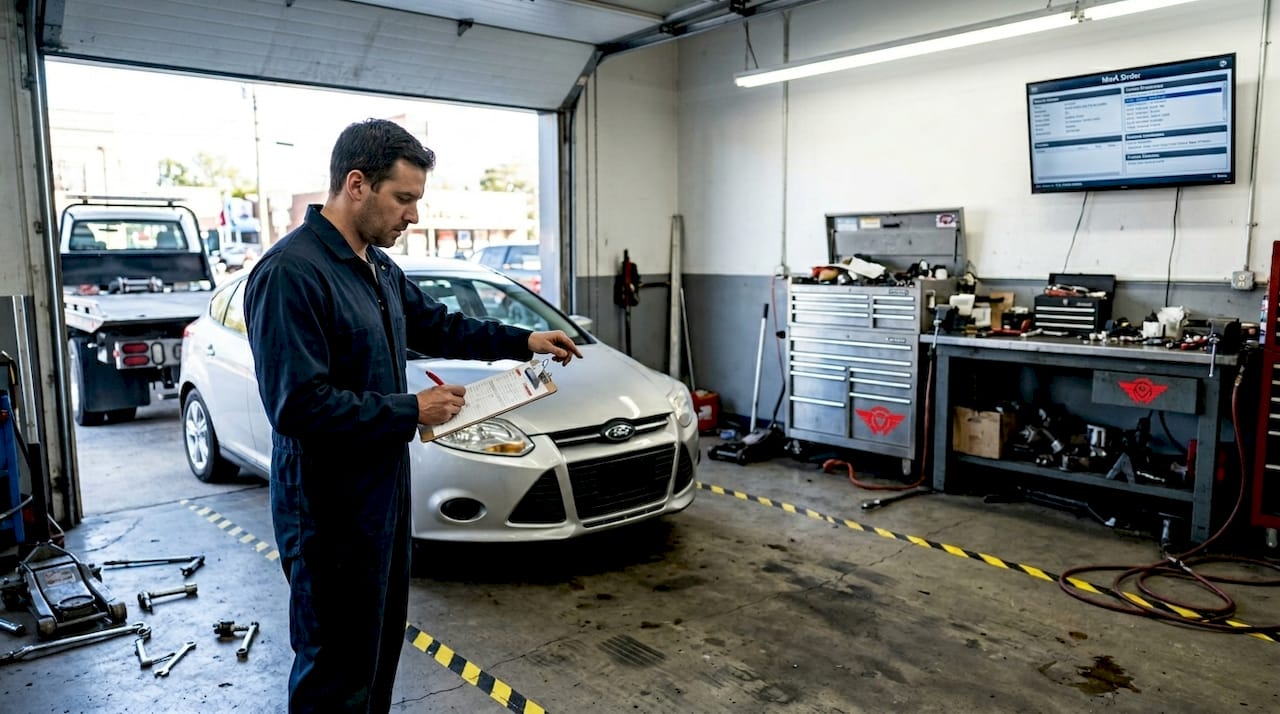
As noted in an analysis of extended auto warranties, manufacturer warranties limit towing to mechanical and warranty-specific issues for cost control, unlike broader AAA or insurance plans, making them particularly important for extended warranties on older vehicles prone to breakdowns.
Here's how towing benefits both you and the provider at the same time:
- Damage control. Getting a broken vehicle off the road prevents minor covered issues from becoming catastrophic uncovered ones.
- Claim cost reduction. A $109 tow is cheaper than the additional repair costs from a vehicle driven to failure.
- Owner loyalty. When a plan actually rescues you at 11 p.m. on a dark highway, you renew. It's that simple.
- Risk reduction. Controlling where the car goes (to an approved shop) ensures proper diagnostics and reduces fraudulent repair claims.
- Satisfaction scores. Emergency roadside moments are emotionally charged. Providers who handle them well earn lasting trust.
For a broader look at what exclusions can look like across plans, reviewing what's not covered by warranty is worth your time before signing anything.
Pro Tip: Never assume that because one plan includes towing, every plan does. Some budget extended warranty options strip out roadside assistance entirely. Always ask directly: "Does this plan include towing, and what's the per-incident mileage limit?"
Peace of mind: How towing coverage protects you
The financial math is clear, but the emotional math is just as important. Breaking down on a road is one of the most stressful experiences a driver can face, especially at night, in bad weather, or in an area you don't know. Having towing coverage flips that scenario from a crisis into a manageable inconvenience.
For owners who want to know exactly which features add genuine peace of mind, the breakdown of key peace-of-mind features is one of the most practical reads available. And if you're working on building out the right coverage mix, customizing your warranty walks you through structuring a plan around your specific needs.
Here are the specific ways warranty towing delivers tangible peace of mind:
- No out-of-pocket tow fee. The average tow runs over $100, and that number climbs fast with distance or after-hours service.
- Safe vehicle transfer. Your car goes directly to a certified shop instead of sitting on the roadside.
- Zero insurance claim impact. Using warranty towing doesn't touch your auto insurance history or premiums.
- Remote area coverage. Plans with robust towing provisions cover you even in rural or low-service zones.
- One call resolution. You contact your warranty provider, not three separate companies.
As research on roadside assistance confirms, warranty towing offers better protection than insurance add-ons because it creates no claim impact, and it's critical for peace of mind in edge cases like remote breakdowns.
Pro Tip: Adding roadside assistance through your auto insurance often triggers a claim record even for minor towing events. That record can raise your premium at renewal. Warranty towing sidesteps this entirely because it runs through a completely separate system.
The statistic that ties this together: if you face just two unexpected tows in a year, you've avoided over $200 in unplanned expenses, not counting the stress, the phone calls, and the time lost managing a roadside emergency without support.
Limits and exclusions: When towing isn't covered
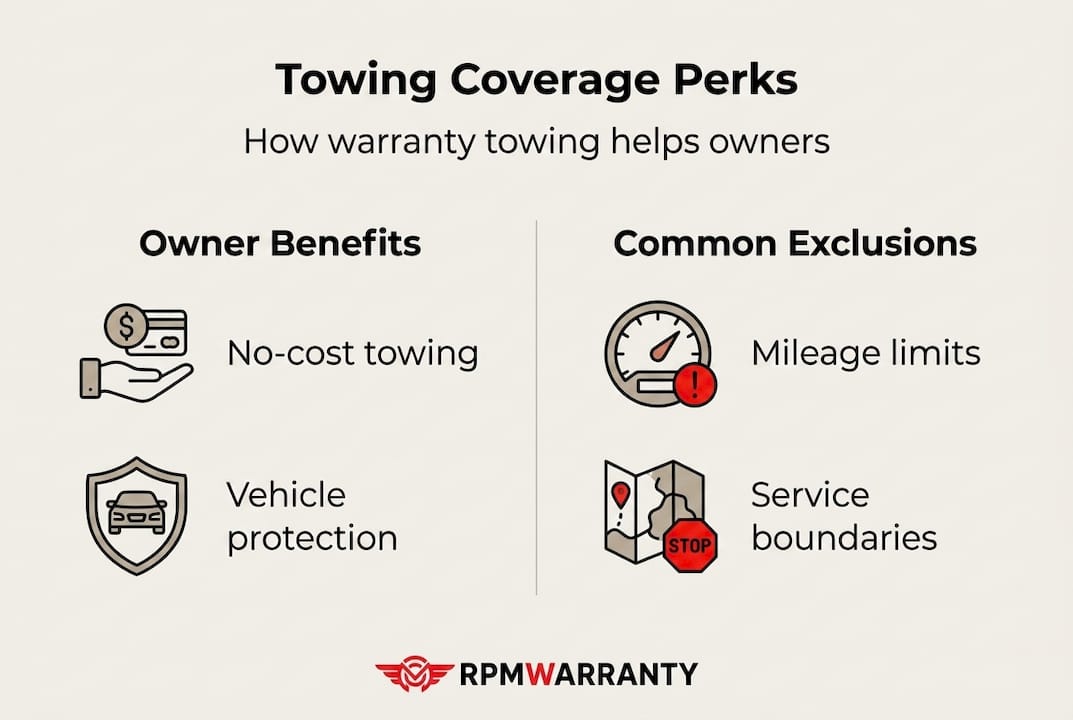
Here's where many owners get blindsided. Warranty towing is not unlimited, and it's not a catch-all roadside solution. Knowing the limits before you need the service is the difference between a smooth rescue and a frustrating denial.
The core rule is this: warranty towing applies when the breakdown is caused by a mechanical failure that your warranty actually covers. If the failure isn't listed in your agreement as a covered component, the tow tied to that failure often isn't covered either.
Common exclusions you'll find across most plans:
- Flat tires (even if they leave you stranded)
- Running out of fuel
- Lockouts (keys locked in the vehicle)
- Weather-related events (flooding, ice, getting stuck in snow)
- Towing requested more times than the plan's annual limit
- Breakdowns occurring outside the plan's geographic service area
- Failures from accidents or driver error
For a full picture of what plans typically leave out, warranty exclusions explained covers the terrain thoroughly. If your manufacturer warranty is expiring and you're weighing your next step, understanding the need for extended coverage puts those exclusions in context.
As confirmed by roadside assistance research, coverage is typically limited to warranty-covered mechanical failures and excludes non-mechanical issues like flats or fuel delivery in many manufacturer plans, with excessive calls or tows beyond the mileage range also falling outside coverage.
Always read the roadside assistance section of your warranty agreement separately from the repair coverage section. They are governed by different terms, and the towing rules often have their own fine print on call limits, mileage caps, and approved destinations.
The practical takeaway: if you want broader coverage that handles flat tires and fuel delivery alongside mechanical towing, you may need to pair your warranty with a membership like AAA or choose an extended plan specifically designed with full-service roadside assistance built in.
Our take: What most vehicle owners miss about warranty towing
We see a consistent pattern with the owners we work with. They spend hours researching engine coverage, transmission protection, and electrical component lists. Those are absolutely important. But towing almost never comes up until someone has already been stranded.
Here's the reality: a towing event is statistically more likely to happen to you in a given year than a catastrophic engine failure. Breakdowns are common. Major engine replacements are not. Yet owners treat towing as a footnote and engine coverage as the headline.
We'd argue that guaranteed, no-cost towing is as operationally critical as transmission coverage. The warranty myths and realities article makes this point well. When a plan's towing provision is weak, you're exposed to exactly the kind of stressful, expensive surprise that a warranty is supposed to eliminate. Ask about towing specifically, not generically. Ask about mileage limits, call limits, and destination rules before you sign.
Explore extended warranties with towing for true peace of mind
Understanding warranty towing is one thing. Having a plan that actually delivers it is another. At RPM Warranty, we build coverage options designed around complete protection, including roadside towing that works when you need it most.
Whether you drive a reliable daily driver or a specialty vehicle, we have plans tailored to your situation. From Volkswagen extended warranty options to Bugatti extended warranty coverage, our lineup spans the full range of vehicles. Browse all warranty protection plans to compare coverage tiers, get a free quote, and find the right level of protection for your vehicle and budget.
Frequently asked questions
Does warranty towing apply anywhere in the U.S.?
Most plans set mileage or geographic limits, so check your agreement for regional exclusions and maximum towing range. As coverage rules confirm, tows beyond the plan's defined area may not be covered.
What types of breakdowns qualify for warranty towing?
Towing is usually available for mechanical failures listed as covered under your warranty, not for wear items, accidents, or driver error. Plan-specific language governs which failures qualify on a case-by-case basis.
Do insurance roadside plans provide the same towing benefits?
Insurance add-ons often limit towing distance or generate a claim record that can raise your premium at renewal. Warranty towing is a separate system entirely and has no impact on your insurance history.
Can I use warranty towing for flat tires or running out of fuel?
Many plans exclude non-mechanical events like flat tires and fuel delivery. Your specific policy terms will spell out exactly which situations qualify and which ones don't.