

TL;DR:
- A transferable extended warranty can significantly increase a vehicle's resale value by reducing buyer risk and enhancing perceived protection.
- Proper transfer procedures, documentation, and highlighting coverage in listings are crucial to maximizing this advantage and closing faster sales.
Most vehicle owners think about resale value in terms of mileage, condition, and trim level. What they miss is that a transferable extended warranty can quietly push the final sale price higher than any detailing job or fresh set of tires. Understanding why warranties increase resale value isn't just useful trivia — it's a practical edge that can mean hundreds or even thousands of dollars more when you list your car. This guide breaks down how transferable coverage works, what buyers actually respond to, and how to use your warranty as a negotiating asset.
Table of Contents
- How transferable warranties reduce buyer risk and boost resale value
- Understanding warranty transfer rules and their impact on vehicle sales
- Comparing extended warranties, factory coverage, and their sales advantages
- Practical tips to use extended warranties to maximize your vehicle's resale value
- Why extended warranties matter more than you think in vehicle resale
- Explore trusted extended warranty options to boost your vehicle's resale value
- Frequently asked questions
Key Takeaways
| Point | Details |
|---|---|
| Transferable warranties boost value | Warranties that transfer to new owners reduce buyer risks and help sellers command higher prices. |
| Understand transfer rules | Many warranties require registration and fees within specific deadlines to maintain coverage after sale. |
| Extended coverage fills gaps | Factory warranties end early, but extended warranties cover costly repairs during the vehicle’s ownership cycle. |
| Educate buyers on benefits | Highlighting warranty coverage and maintenance history eases buyer concerns and speeds sale. |
| Choose trusted providers | Reliable, nationwide warranty plans add real value and protect your vehicle’s resale appeal. |
How transferable warranties reduce buyer risk and boost resale value
The biggest fear any used car buyer carries into a transaction is the unknown repair bill waiting on the other side of purchase. A transferable warranty is one of the few tools a seller has to directly neutralize that fear before negotiations even begin.
When a warranty transfers to the new owner, they aren't just inheriting a car. They're inheriting protection. The FTC notes that transferable auto service contracts add real value when they allow the buyer to choose their own repair centers and cover a meaningful portion of the expected ownership period. That flexibility matters enormously, because a warranty that locks buyers into one dealership network hundreds of miles away doesn't eliminate risk — it just relocates it.
Here's why this translates directly into higher resale prices:
- Buyers pay premiums to reduce uncertainty. A vehicle with active coverage feels fundamentally different from one without it, even when both cars are identical on paper.
- Transferable coverage shortens the negotiation. When buyers can't point to repair risk, they have fewer reasons to push the price down.
- Dealers recognize it too. A vehicle with transferable coverage is easier to move off a lot, which is reflected in trade-in offers.
"The warranty reduces perceived risk. That perception alone shifts what buyers are willing to pay before they've even started the engine."
Understanding warranty coverage transparency is the foundation here. Buyers respond to coverage they can read, understand, and trust. Vague or incomplete documentation weakens the advantage a warranty gives you.
The warranty peace of mind benefits extend beyond the transaction itself. Buyers who feel protected are more likely to follow through, skip the second-guessing, and close the deal at your asking price.
Understanding warranty transfer rules and their impact on vehicle sales
A warranty doesn't help your resale situation if the transfer falls apart on a technicality. This is where a lot of sellers lose value they should have captured.
Warranty transfer eligibility isn't automatic. Many extended warranties require the new owner to register the transfer and pay a fee, typically within 30 to 90 days of the sale date. Miss that window and the coverage is gone, regardless of how much time was originally left on the plan.
Common transfer pitfalls to avoid:
- Assuming the warranty transfers automatically without any paperwork
- Forgetting to mention transfer deadlines to the buyer at the time of sale
- Selling a vehicle without locating the original warranty contract first
- Choosing a plan with a single-network repair restriction that limits buyer flexibility
Steps to execute a clean warranty transfer:
- Locate your warranty contract and identify the transfer section before listing the vehicle.
- Confirm the transfer fee and deadline so you can communicate them clearly to buyers.
- Include the warranty documentation in your sales packet alongside the title and service records.
- Walk the buyer through registration steps at the point of sale so nothing gets missed post-transaction.
- Follow up within the deadline window to confirm the transfer was completed successfully.
Dealerships factor transferable warranties into trade-ins as a risk reduction asset. They may pay above standard trade-in values because inherited coverage lowers reconditioning uncertainty. Private buyers respond similarly but often need guidance on verifying that coverage is accepted at repair centers near them.
Pro Tip: Before listing your vehicle, call the warranty administrator directly and ask for a written confirmation of transferability and the exact process. Having that document ready is a small move that signals serious credibility to buyers.
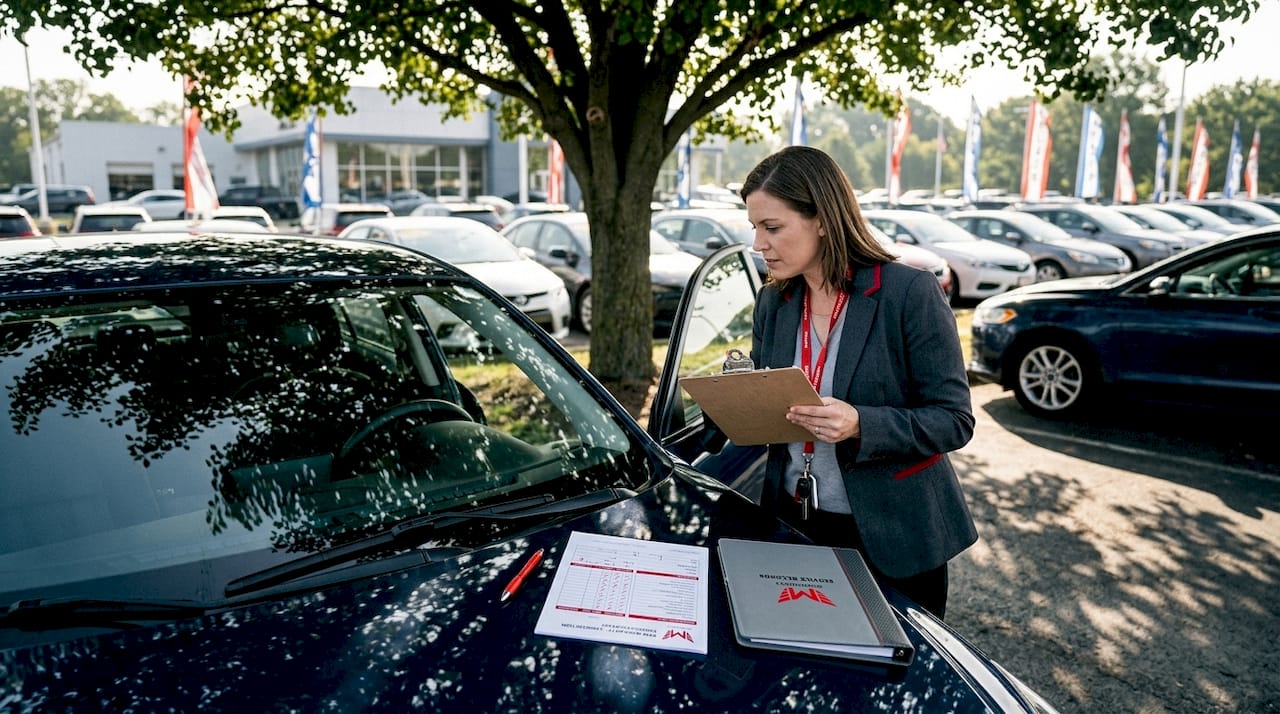
Debunking warranty transfer myths is often necessary when dealing with skeptical buyers. Many assume extended warranties are non-transferable by default. Showing them documentation that says otherwise changes the conversation immediately.
If you're selling an older vehicle, warranty eligibility by vehicle age affects what coverage options are still active and worth transferring, so it pays to review your plan specifics before the sale.
Comparing extended warranties, factory coverage, and their sales advantages
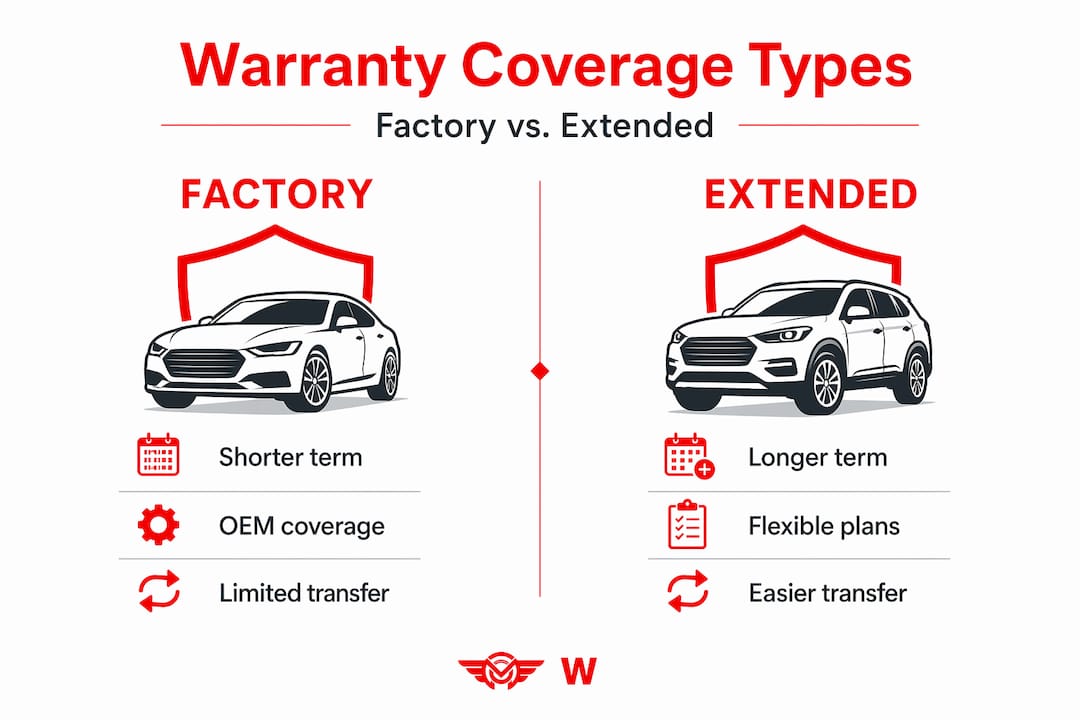
Factory warranties and extended warranties serve very different purposes in a resale context. Understanding the difference helps you frame your vehicle's coverage accurately and avoid underselling what you actually have.
| Feature | Factory warranty | Extended warranty |
|---|---|---|
| Typical duration | 3 years / 36,000 miles | Varies; often 5+ years or 100,000+ miles |
| Coverage after expiration | None | Active through plan terms |
| Electronics and sensors | Limited | Often covered |
| Transferable to new owner | Rarely after expiration | Yes, with proper registration |
| Repair center flexibility | Manufacturer dealers only | Often nationwide network |
| Resale negotiation impact | Minimal once expired | Significant when active |
Factory coverage runs out faster than most buyers expect. Repair costs climb sharply after factory coverage ends, particularly for electronics, control modules, and transmission components. These are also the repairs buyers worry about most when considering a used vehicle.
Why extended coverage gives sellers a real edge:
- Electronics failures now account for a growing share of costly repairs, and buyers know it.
- An active extended warranty signals that the vehicle has been maintained and protected.
- Covered components like transmissions and cooling systems represent exactly the repairs that kill deals when they're not covered.
Pro Tip: When listing your vehicle, don't just mention "extended warranty included." Specify what's covered. "Active extended warranty covering engine, transmission, electronics, and roadside assistance through 2028" is a listing line that buyers actually read twice.
For sellers whose factory coverage has already expired, extended warranty post-factory coverage options can still be added before listing in some cases. Reviewing warranty coverage examples gives you a realistic sense of what buyers gain and how to explain that value during showings.
Practical tips to use extended warranties to maximize your vehicle's resale value
Knowing that warranties affect resale is one thing. Using that knowledge systematically to get more money for your car is another. Here's how to turn your coverage into a selling advantage from day one.
Start with documentation:
- Pull your warranty contract and confirm it's transferable before you price the vehicle.
- Create a one-page summary of what the warranty covers, the remaining term, and how to transfer it.
- Attach this to your service records so buyers receive a complete ownership package.
- Price your vehicle at the high end of market comps, citing the active warranty as justification.
- Be ready to walk buyers through the claims process so it doesn't feel complicated or risky.
Tactics that make a real difference:
- Keep every service receipt organized and dated. Buyers who see documented oil changes and repairs stop worrying about hidden damage.
- Mention the warranty in the very first line of your listing. It's a filter — buyers looking for protected vehicles will stop scrolling.
- Offer to stay on the phone with the buyer while they call the warranty provider to verify coverage. This move closes deals.
- Choose plans with broad nationwide coverage from the beginning so transferability isn't limited by geography.
The FTC advises sellers to highlight transferability, coverage specifics, and service records as the core of a smooth vehicle sale. These three elements together remove nearly every standard buyer objection.
Pro Tip: Time your sale strategically. Listing a vehicle with 18 months or more remaining on an extended warranty is significantly more compelling than listing one with 90 days left. Review choosing warranty timing before deciding when to sell.
If you're unsure whether your vehicle's repair history or age warrants extra coverage before selling, reviewing signs you need an extended warranty can help you decide whether buying one to pass along is worth the investment.
Why extended warranties matter more than you think in vehicle resale
Here's something most articles about resale value won't say plainly: the psychological effect of a warranty often outweighs its actual financial value.
A buyer standing in your driveway is not running actuarial tables. They're weighing a feeling. Is this vehicle going to cost me money I didn't plan for? A transferable extended warranty answers that question before it's even asked. It doesn't just cover potential repairs — it changes the emotional context of the entire transaction.
Dealerships recognize this directly. They price transferable warranty vehicles higher not because every buyer reads the fine print, but because the presence of coverage signals quality, care, and reduced surprise. It's a shorthand for trustworthy seller.
Here's the insight that most sellers miss: you don't need every buyer to fully understand warranty nuances to benefit from them. You just need buyers to feel safer. The sellers who close at asking price are often the ones who've reframed the conversation from "is this car worth this price" to "this car protects you from what you're most afraid of."
Warranties also shorten time on market. A buyer who might have spent two weeks visiting other listings and negotiating typically closes faster when repair risk is addressed upfront. That saved time has real value for sellers who want a clean, fast transaction.
Clearing up warranty misconceptions with buyers proactively puts you in a position of authority rather than defense. That posture alone can change how buyers perceive your asking price.
Explore trusted extended warranty options to boost your vehicle's resale value
You now have a clear picture of why warranties matter and how to use them as a selling tool. The next step is making sure your vehicle has the right coverage in place before you list it.
RPM Warranty offers customizable extended warranty plans tailored to your vehicle's age, mileage, and coverage needs. Whether you're looking for engine and transmission protection or full-system coverage including electronics and roadside assistance, the plans are designed to match real-world ownership situations. Nationwide service center access means buyers anywhere in the country can use the coverage without restrictions. Browse available vehicle protection plans to find what fits your car, or get a free quote today to see your options before you price your vehicle for sale.
Frequently asked questions
Do all warranties increase a vehicle's resale value?
No. Only transferable warranties with meaningful coverage that align with the expected ownership period tend to increase resale value, especially when buyers can choose their own repair centers.
How can I verify if my warranty is transferable to a new vehicle owner?
Review your contract for the transfer section, which will outline any deadlines and fees. Many extended warranties require registration and payment within 30 to 90 days of the sale to complete the transfer.
Why choose an extended warranty after factory coverage ends?
Factory warranties leave significant repair exposure uncovered, particularly for electronics and transmissions. Repair costs rise sharply after factory coverage expires, making extended warranties a practical buffer against costly, unplanned bills.
Can having a warranty help my car sell faster?
Yes. Transferable warranties reduce buyer hesitation about future repair costs, which typically shortens negotiation timelines and leads to faster, higher-priced sales.